The Best Fiber Supplements — and Why Food Comes First
Fiber is one of the few things almost everyone genuinely under-eats — most adults get roughly half the recommended amount — so a fiber supplement is one of the more defensible things in the supplement aisle. But it comes with a big asterisk the marketing skips: a supplement is a gap-filler, not a substitute for the fiber-rich whole foods that also bring you vitamins, minerals, water, and the food matrix a capsule can't replicate. Beans, lentils, oats, fruit, vegetables, whole grains, nuts, and seeds should carry most of your fiber; a supplement is for topping up when your diet falls short. When you do supplement, the type of fiber matters more than the brand. The two big families are soluble fiber, which dissolves into a gel and is the kind with the strongest health evidence — psyllium in particular has real data for improving regularity, lowering LDL cholesterol, and blunting blood-sugar spikes — and insoluble fiber, which adds bulk and speeds transit. Psyllium is the standout because it's a gel-forming soluble fiber with decades of research behind it, which is why it anchors the top of this list. Other supplements use wheat dextrin, inulin, or partially hydrolyzed guar; these are fine and often more pleasant to take, but they don't all carry psyllium's depth of evidence, and 'prebiotic fiber' marketing tends to promise more than the data delivers. Two practical rules make any fiber supplement work: ramp up slowly over a couple of weeks so you don't trigger gas and bloating, and drink plenty of water — gel-forming fibers need it. We ranked these on fiber type and evidence, tolerability, format (powder vs capsule), label cleanliness, and value. And the honest caveat: if you have a GI condition or take medication, talk to your doctor first, since fiber can affect how and when drugs are absorbed.
Top pick
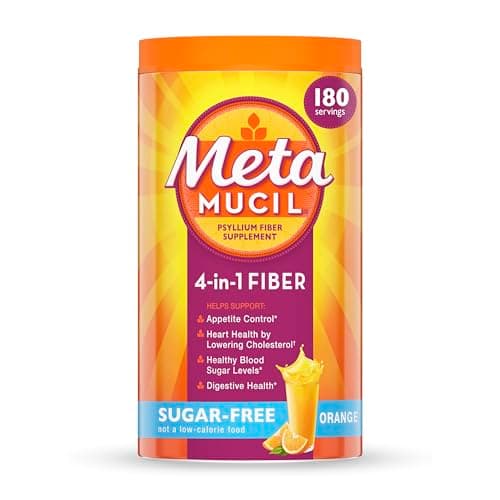
Metamucil — Metamucil Psyllium Husk Fiber (Powder)
Psyllium husk soluble fiber powder · scalable dosing by the teaspoon · flavored and sugar-free options · the psyllium brand behind much of the clinical research · mixes into water
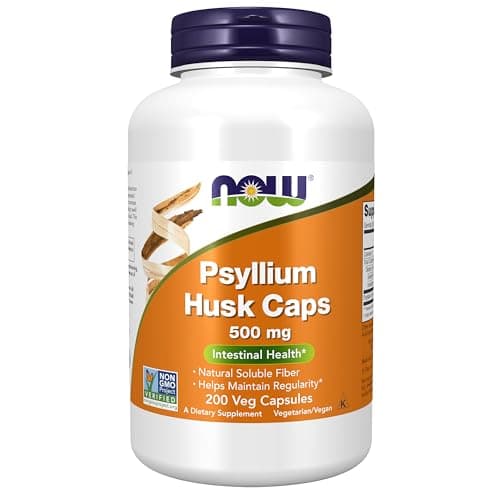
NOW — NOW Psyllium Husk Caps (500 mg)
At a glance
Tap a row to check price · tap a header to sort| # | Best for | Price | ||
|---|---|---|---|---|
| 1 | | Best overall | 8.6/10 | $34.97 |
| 2 | | Best psyllium capsule | 8.3/10 | $11.00$18.99 |
| 3 | 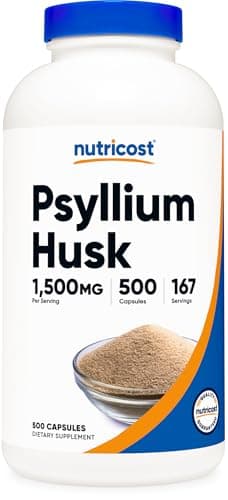 | Best value psyllium capsule | 8.1/10 | $19.95 |
| 4 | 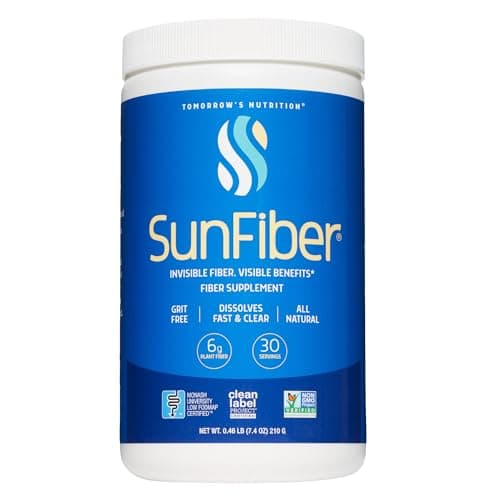 | Best gentle | 7.9/10 | $24.99 |
| 5 | 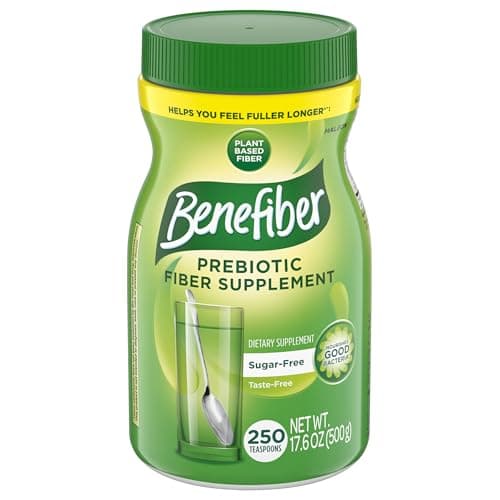 | Best grit-free everyday mix-in | 7.5/10 | $22.98 |
| 6 | 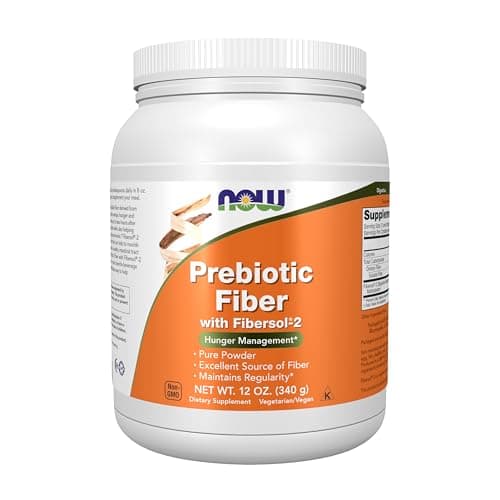 | Best flavorless prebiotic powder from a trusted brand | 7.4/10 | $14.69$19.99 |
| 7 | 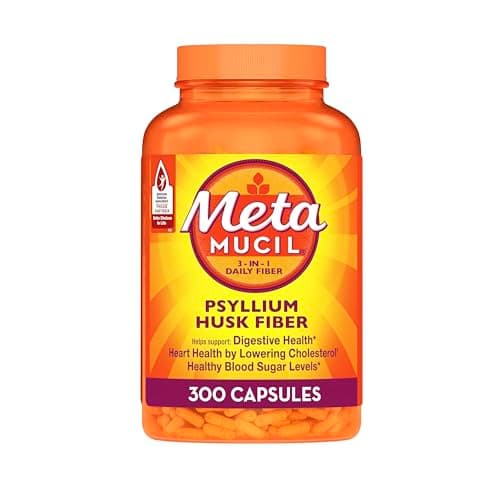 | Best brand-name psyllium capsule for on-the-go | 7.3/10 | $25.28$35.99 |
Prices pulled from Amazon as of Sep 16, 2026 and are subject to change. The price shown on Amazon at checkout applies.
How we scored
Every product below is scored on six metrics, 0-10 each, with the weighting described on how we review. The criteria specific to this category:
- Fiber type and the evidence behind it. This is the most important factor, and it's the one marketing obscures. Soluble, gel-forming fiber — psyllium above all — has the strongest evidence for regularity, LDL-cholesterol reduction, and blunting post-meal blood sugar. Wheat dextrin, inulin, and partially hydrolyzed guar are legitimate fibers but don't all share psyllium's depth of research, and 'prebiotic' claims often outrun the data. We rank psyllium-based products highest for general use and are clear about what each alternative fiber does and doesn't have behind it.
- Tolerability and how gentle it is on your gut. The most common reason people quit fiber supplements is gas, bloating, and cramping — usually from ramping up too fast or from a fiber that ferments aggressively. We reward fibers and formats that are easier to tolerate (some, like partially hydrolyzed guar, are marketed as low-FODMAP and gentler), and we're explicit that starting low and building up slowly matters more than which product you buy.
- Format — powder, capsule, or chewable. Powders let you scale the dose and cost less per gram, but psyllium powder turns gel fast and can be gritty. Capsules are convenient and grit-free but you may need to swallow several to reach a meaningful dose, which raises the cost per gram. Flavorless mix-in powders (wheat dextrin, Fibersol) dissolve clear and are easy to hide in a drink. We match format to preference and note the dose math.
- Clean label and added sugar. Some flavored fiber powders add sugar or sweeteners to mask taste, and some blends fold in extras you don't need. We favor products that keep the label short and honest — the fiber, and little else — and mark down ones that add unnecessary sugar or bury the fiber type in vague 'prebiotic blend' language.
- Dose per serving and directions. A useful supplement should help you close a real fiber gap, so we look at grams of fiber per serving and how many capsules or scoops that takes. We also weight clear directions on water intake and ramping up, because a fiber supplement used wrong (too much, too fast, too little water) causes exactly the discomfort that makes people abandon it.
- Value per gram of fiber. Fiber is inexpensive, so value comes down to cost per gram of actual fiber, not per bottle. Bulk psyllium powder is dramatically cheaper per gram than capsules or single-serve packets. We reward products that deliver evidence-backed fiber cheaply and note where you're paying a premium for convenience (capsules, flavor, packaging) rather than more or better fiber.
What to know before buying
- Whole food first — a supplement fills the gap, it doesn't replace the plate. This is the rule the whole site runs on, and fiber is a perfect example: beans, lentils, oats, berries, vegetables, whole grains, nuts, and seeds give you fiber plus a package of nutrients, water, and satiety that no capsule reproduces. Aim to hit your fiber target from food first, then use a supplement to top up the shortfall on days you fall short. If you're using a fiber supplement as an excuse to keep eating poorly, you've got it backwards.
- Psyllium is the default for a reason. Among fiber supplements, psyllium (the husk of the Plantago ovata seed) has the deepest evidence base: it's a soluble, gel-forming fiber shown to improve stool regularity in both constipation and loose stool, to lower LDL cholesterol modestly, and to blunt post-meal blood-sugar rises. If you want one general-purpose fiber supplement and have no specific reason to choose otherwise, start with psyllium. The other fibers have their uses, but none combines psyllium's breadth of proven benefits.
- Ramp up slowly and drink water — this is where people go wrong. The gas, bloating, and cramping that make people quit fiber almost always come from adding too much too fast. Start with a small dose (say, one serving a day), give your gut a week or two to adjust, then build toward your target. And drink plenty of water, especially with gel-forming fibers like psyllium — they absorb water to work, and taking them dry or with too little fluid can cause the opposite of what you want. Slow and hydrated beats fast and miserable.
- Match the fiber to your goal and your gut. For general regularity and the broadest health benefits, psyllium. If you have a sensitive gut or IBS and psyllium bothers you, a gentler, low-FODMAP fiber like partially hydrolyzed guar (Sunfiber) may be better tolerated. If you just want a flavorless powder to stir into any drink without grit, wheat dextrin or a Fibersol-type fiber dissolves clear — just know these lean 'prebiotic' and don't carry all of psyllium's specific evidence. There's no single best fiber for everyone; there's a best fiber for your goal and your tolerance.
- This is YMYL for some people — check with a doctor when it matters. Fiber supplements are safe for most people, but they can change how and when medications are absorbed, so take them a couple of hours apart from your medicines and ask your doctor or pharmacist if you take prescriptions. If you have a GI condition (like a stricture, swallowing difficulty, or inflammatory bowel disease), are managing diabetes or cholesterol with medication, or have persistent changes in bowel habits, talk to a clinician before leaning on a supplement — new or ongoing digestive symptoms deserve a real evaluation, not just more fiber.
Our picks
Metamucil — Metamucil Psyllium Husk Fiber (Powder)
Key specs: Psyllium husk soluble fiber powder · scalable dosing by the teaspoon · flavored and sugar-free options · the psyllium brand behind much of the clinical research · mixes into water
Pros
- Psyllium is the most evidence-backed fiber for regularity, LDL cholesterol, and blood-sugar control, and Metamucil is the psyllium most people and studies have used
- Powder format lets you start small and ramp up gradually — exactly how you should introduce fiber — and reach a meaningful daily dose cheaply
- Sugar-free versions keep the label clean while still being palatable
- Widely available and inexpensive per gram of fiber
Cons
- Psyllium powder thickens fast once mixed, so you have to drink it promptly and follow with water, and the texture takes getting used to
- Flavored versions may include sweeteners some people would rather avoid — choose the plain or sugar-free SKU
- Some formulations add extra ingredients (marketed '4-in-1'); read the label if you want just fiber
Metamucil — Metamucil Psyllium Husk Fiber (Powder)
- Fiber evidence10/10
- Tolerability7/10
- Format8/10
- Clean label7/10
- Value9/10
NOW — NOW Psyllium Husk Caps (500 mg)
Key specs: Psyllium husk in capsules · 500 mg each · Non-GMO Project Verified · no grit or mixing · GMP-manufactured · take with a full glass of water
Pros
- Delivers evidence-backed psyllium without the gel-and-grit of a powder — convenient for people who won't stir a drink
- From NOW, a well-regarded, well-audited manufacturer, and Non-GMO Project Verified
- Easy to carry and take consistently, which is what actually makes a fiber habit stick
Cons
- You need several capsules to reach a meaningful psyllium dose, which raises the cost per gram versus powder
- Must be taken with a full glass of water — swallowing psyllium capsules with too little fluid is uncomfortable and unsafe for some
- Capsule dosing is less flexible for a slow ramp-up than a powder you can measure finely
NOW — NOW Psyllium Husk Caps (500 mg)
- Fiber evidence9/10
- Tolerability8/10
- Format7/10
- Clean label9/10
- Value7/10
Nutricost — Nutricost Psyllium Husk (1,500 mg Capsules)
Key specs: Psyllium husk capsules · 1,500 mg per serving · gluten-free, non-GMO · large count (around 500 capsules) · low cost per serving · take with water
Pros
- One of the cheapest ways to get psyllium in convenient capsule form, with a large count that drives cost per serving down
- A higher per-serving milligram amount than some capsules means fewer pills to reach your dose
- Simple, single-ingredient psyllium from a value-focused brand
Cons
- Still a capsule, so hitting a full clinical psyllium dose takes several and costs more per gram than powder
- Value brand with less independent testing than premium options — fine for general use
- Requires a full glass of water with each dose, as all psyllium does
Nutricost — Nutricost Psyllium Husk (1,500 mg Capsules)
- Fiber evidence9/10
- Tolerability8/10
- Format7/10
- Clean label8/10
- Value9/10
Tomorrow's Nutrition — Sunfiber (Tomorrow's Nutrition) — Partially Hydrolyzed Guar
Key specs: Partially hydrolyzed guar gum (PHGG) soluble fiber · flavorless, dissolves clear · marketed as low-FODMAP and gentle · prebiotic · mixes into any drink or food
Pros
- A genuinely gentle, well-tolerated soluble fiber — often the answer for people whose gut rebels against psyllium
- Flavorless and dissolves clear with no grit or gel thickening, so it stirs invisibly into water, coffee, or food
- Low-FODMAP positioning makes it a sensible choice for people managing IBS-type sensitivity
Cons
- Doesn't carry psyllium's specific, deep evidence for cholesterol and stool regularity — it's a prebiotic soluble fiber, not a psyllium replacement for those goals
- More expensive per gram of fiber than bulk psyllium
- As with any fermentable fiber, ramp up slowly to avoid gas even though it's gentler than most
Tomorrow's Nutrition — Sunfiber (Tomorrow's Nutrition) — Partially Hydrolyzed Guar
- Fiber evidence7/10
- Tolerability9/10
- Format9/10
- Clean label8/10
- Value6/10
Benefiber — Benefiber Prebiotic Fiber (Wheat Dextrin)
Key specs: Wheat dextrin soluble fiber · unflavored, dissolves completely and clear · prebiotic · stirs into any hot or cold drink or food · widely available
Pros
- Dissolves completely and clear with no grit, thickening, or taste, so it disappears into any drink or recipe
- Convenient everyday prebiotic fiber for gently nudging your daily total upward
- Easy to find and simple to use, which helps consistency
Cons
- Wheat dextrin is a soluble fiber but lacks psyllium's specific evidence for cholesterol and regularity — it's more general 'prebiotic' fiber
- Contains wheat-derived fiber (though typically low gluten), so the gluten-sensitive should check the label
- Per-gram cost is higher than bulk psyllium for a fiber with a lighter evidence profile
Benefiber — Benefiber Prebiotic Fiber (Wheat Dextrin)
- Fiber evidence6/10
- Tolerability8/10
- Format9/10
- Clean label7/10
- Value7/10
NOW — NOW Prebiotic Fiber with Fibersol-2
Key specs: Fibersol-2 soluble fiber (from non-GMO corn) · flavorless, dissolves clear · prebiotic · from NOW's GMP manufacturing · mixes into drinks or food
Pros
- A clear-dissolving, tasteless prebiotic fiber you can add to anything, made by a reputable manufacturer
- Non-GMO corn-derived and easy on most people's stomachs as a gentle daily fiber top-up
- Good option for those who want a clean mix-in fiber without psyllium's texture
Cons
- Fibersol is a resistant-maltodextrin prebiotic fiber, not psyllium — it doesn't carry the same regularity and cholesterol evidence
- Marketed benefits lean on general 'prebiotic' effects that outrun the strength of the data
- Costs more per gram than plain psyllium for a lighter-evidence fiber
NOW — NOW Prebiotic Fiber with Fibersol-2
- Fiber evidence6/10
- Tolerability8/10
- Format9/10
- Clean label8/10
- Value7/10
Metamucil — Metamucil Psyllium Husk Capsules
Key specs: Psyllium husk in capsules · the best-known psyllium brand in convenient pill form · no mixing or grit · take with a full glass of water · travel-friendly
Pros
- The evidence-backed psyllium fiber in a portable, grit-free capsule from the category's most recognized brand
- Convenient for travel and work where mixing a powder isn't practical, which helps you stay consistent
- Familiar, trusted product that's easy to buy anywhere
Cons
- Reaching a meaningful psyllium dose takes multiple capsules, so it's pricier per gram than the powder
- Must be taken with plenty of water like all psyllium
- You pay a brand premium versus generic psyllium capsules that do the same job
Metamucil — Metamucil Psyllium Husk Capsules
- Fiber evidence9/10
- Tolerability8/10
- Format7/10
- Clean label7/10
- Value6/10
Frequently asked questions
General targets are about 25 grams a day for women and 38 grams a day for men, or roughly 14 grams per 1,000 calories eaten — and most people get only about half that. The goal is to get most of it from whole foods (beans, lentils, oats, fruit, vegetables, whole grains, nuts, and seeds), which bring fiber along with nutrients and water a supplement can't. Use a supplement to close the gap between what you eat and your target, not to replace the food. If you're well short today, don't try to jump to the full amount overnight — build up gradually over a couple of weeks to avoid gas and bloating.
Related reading
Sources
- Dietary fiber: Essential for a healthy diet (recommended intakes ~25 g/day women, ~38 g/day men; soluble vs insoluble; add fiber gradually with water) — Mayo Clinic
- Fiber — The Nutrition Source (soluble vs insoluble fiber, food sources, and health effects; psyllium and cholesterol/blood sugar) — Harvard T.H. Chan School of Public Health
- Psyllium — evidence for regularity, LDL-cholesterol reduction, and glycemic effects; gel-forming soluble fiber — Examine.com
- Dietary Guidelines for Americans — fiber as a nutrient of public health concern (most Americans fall short of recommended intake) — U.S. Departments of Agriculture and Health and Human Services
Last verified: August 2, 2026. See our editorial policy and how we review for details on scoring and update cadence. Canonical URL: https://trustedhealthgear.com/reviews/best-fiber-supplement.
Metamucil — Metamucil Psyllium Husk Fiber (Powder)
$34.97 · on Amazon