Greens Powder vs Multivitamin: Which Is Worth Your Money?
Greens powders and multivitamins get pitched as opposite philosophies — 'whole-food nutrition' versus 'synthetic vitamins' — but functionally they're both trying to do the same modest job: fill gaps in your micronutrient intake. And the first honest thing to say is that neither one replaces actually eating vegetables. Whole food comes first; both of these are insurance, not a substitute. From there, the two diverge. A multivitamin gives you precise, RDA-based doses of vitamins and minerals, printed transparently on the label, for very little money — but no fiber and none of the phytonutrients you'd get from plants. A greens powder gives you food-derived phytonutrients and a little fiber, which sounds appealing, but it usually hides the actual doses inside proprietary blends, costs several times more per serving, and carries a genuine heavy-metal contamination concern that makes third-party testing non-negotiable. For most people who just want cheap, transparent micronutrient insurance, a tested multivitamin is the better buy. A greens powder makes sense for the specific person who wants food-based nutrients plus a bit of fiber, is willing to pay for it, and buys a rigorously tested product. Ignore the 'detox' and 'alkalizing' claims on both.
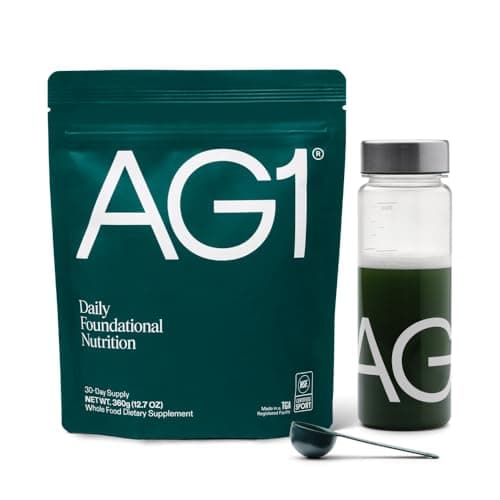
Athletic Greens — Athletic Greens AG1 Daily Foundational Nutrition
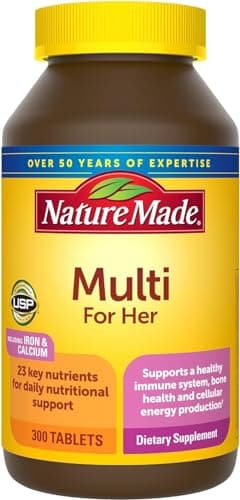
The verdict
For cheap, precise, transparent micronutrient insurance, a multivitamin is the better buy for most people — you know exactly what you're getting and what each dose is, and it costs a fraction of a greens powder. Greens powders aren't a scam, but they ask you to pay several times more for food-derived phytonutrients and a little fiber while typically hiding the real doses behind proprietary blends, and they carry a real heavy-metal testing concern you can't ignore. So a greens powder only makes sense for the specific person who genuinely wants food-based nutrients plus fiber, will pay the premium, and buys a third-party-tested product. Above all, keep both in their place: neither replaces eating vegetables, and both are secondary to a real diet, training, and sleep. Ignore the 'detox' and 'alkalizing' marketing entirely — your kidneys and liver handle that, not a scoop of powder. If you're pregnant, on medication, or managing a health condition, talk to your doctor before adding either, since some vitamins and minerals interact or can be overdone.
Side-by-side
| Attribute | Greens Powder | Multivitamin |
|---|---|---|
| Main purpose | Food-derived phytonutrients + a little fiber | Precise vitamins and minerals (gap-filler) |
| Replaces vegetables? | No — whole food still comes first | No — whole food still comes first |
| Dose transparency | Often hidden in proprietary blends | Usually listed clearly against RDAs |
| Cost per serving | High — several times more | Low — cheap per serving |
| Fiber | Yes — a small amount | No |
| Phytonutrients | Yes — from plant/food sources | No — isolated vitamins and minerals |
| Heavy-metal concern | Real — insist on third-party testing | Lower, but still buy tested (USP/NSF) |
| 'Detox' / 'alkalizing' claims | Ignore — not how the body works | Rarely claimed; ignore if present |
| Best for | Food-based + fiber seeker who buys tested | Budget, transparent micronutrient insurance |
Who should pick which
Pick Greens Powder
- The person who specifically wants food-derived phytonutrients plus a little fiber, will pay the premium, and buys a third-party-tested greens powder.
- Someone who'll actually drink a greens shake daily when they won't take a pill — adherence counts, as long as the product is tested for heavy metals.
Pick Multivitamin
- Most people who just want cheap, transparent micronutrient insurance — a multivitamin lists exact RDA-based doses for a fraction of the price.
- Budget-focused buyers who want the most reliable coverage per dollar and don't care about phytonutrients or fiber from a scoop.
- Anyone who wants to know exactly what they're taking — multivitamins print doses openly, while greens powders often hide them in proprietary blends.
Both are gap-fillers — and neither replaces vegetables
Start with the claim both categories quietly depend on and neither can honestly make: that a scoop or a pill can stand in for eating plants. It can't. Whole vegetables and fruit deliver fiber, water, a huge and largely uncharacterized mix of phytonutrients, and a food matrix that supplements only partly imitate. Both a greens powder and a multivitamin are best understood as insurance against gaps in an imperfect diet — useful in that narrow role, not a license to skip the produce aisle. The federal Dietary Guidelines are clear that nutritional needs should be met primarily from foods, with supplements filling specific shortfalls. So before you compare the two products, get the framing right: this is a choice between two forms of backup, and the real work is done by what's on your plate. If you're eating plenty of vegetables already, you may not need either one — and that's a legitimate answer this page won't talk you out of.
The case for the multivitamin: cheap, precise, transparent
A multivitamin's strengths are exactly the things greens powders tend to fumble. It delivers vitamins and minerals in defined, RDA-based amounts, and reputable products print those doses openly on the label so you know precisely what you're getting and how it stacks against your daily needs. It's cheap — often pennies per day — which makes it the most cost-effective form of broad micronutrient insurance available. It's compact and consistent, with no flavor to choke down. The trade-off is honest: a multivitamin gives you isolated vitamins and minerals, not fiber and not the phytonutrients that come bundled in real plants. But for the specific job of covering common shortfalls — think vitamin D, or the gaps in a restrictive diet — that precision and transparency are exactly what you want. The NIH Office of Dietary Supplements notes that while multivitamins don't prevent chronic disease on their own, they can help fill nutrient gaps for people whose diets fall short. For most buyers, that's the sensible, unglamorous win.
The case for greens powder: phytonutrients and fiber, at a cost
Greens powders offer something a multivitamin genuinely doesn't: food-derived phytonutrients from ingredients like spinach, kale, spirulina, and other plants, plus a small amount of fiber. For someone who eats too few vegetables and wants a food-based supplement rather than isolated vitamins, that's a real and reasonable appeal — closer in spirit to whole food than a pill. Some people also simply find it easier to drink a daily shake than to remember a capsule, and adherence matters. But the appeal comes with strings. Greens powders cost several times more per serving than a multivitamin, and the 'a little fiber' is genuinely little — nowhere near what a couple of servings of actual vegetables provide. So you're paying a premium for a modest amount of phytonutrients and fiber. Whether that's worth it depends entirely on how much you value the food-based angle and, crucially, on buying a product that survives the scrutiny in the next section.
The catches: proprietary blends and heavy metals
Two problems keep greens powders from being an easy recommendation. First, proprietary blends: many products lump their impressive-sounding ingredient list into a single 'blend' with a combined weight but no individual doses, so you can't tell whether you're getting a meaningful amount of anything or a fairy dusting of most of it. That's the opposite of the transparency a good multivitamin offers, and it's a red flag worth walking away from. Second, and more serious, is contamination: because greens powders concentrate a lot of plant material, and some plants readily take up metals from soil, independent testing has repeatedly found concerning levels of heavy metals like lead in some greens and plant-based powders. That makes third-party testing — USP, NSF, or a reputable independent lab — non-negotiable rather than a nice-to-have. A multivitamin isn't immune to quality issues either, so buy tested there too, but the heavy-metal risk profile is a specific reason to be extra careful with greens. If a greens powder hides its doses and can't show clean testing, skip it.
Ignore the detox and alkalizing marketing
Both categories, greens powders especially, love language like 'detoxifying,' 'alkalizing,' and 'cleansing.' Treat all of it as noise. Your liver and kidneys already handle detoxification continuously, and no powder meaningfully changes your blood pH — the body tightly regulates that on its own, and the 'alkaline' theory of health isn't supported by the evidence. These claims are marketing, not mechanisms, and they're often a sign a brand is selling a story rather than a well-dosed, well-tested product. Judge either supplement on the boring fundamentals instead: transparent, sensible doses; third-party testing; and whether it actually fills a gap your diet leaves open. And keep the whole thing in proportion — a supplement is a minor supporting player. The heavy lifting for health comes from eating vegetables and whole foods, getting enough protein, training, and sleeping well. Buy the tested, transparent option that fits your goal, ignore the buzzwords, and don't expect a scoop or a pill to do what a real diet does.
Frequently asked questions
Not in general. A multivitamin gives you precise, RDA-based doses of vitamins and minerals, listed transparently, for a fraction of the price — which makes it the better buy for most people who just want cheap micronutrient insurance. A greens powder offers food-derived phytonutrients and a little fiber that a multivitamin lacks, but it usually hides its doses in proprietary blends, costs much more, and carries a real heavy-metal testing concern. So greens powder is 'better' only for the specific person who wants food-based nutrients plus fiber, will pay the premium, and buys a third-party-tested product. Neither replaces eating vegetables.
Sources
- Multivitamin/mineral Supplements — Fact Sheet for Health Professionals (multivitamins can help fill nutrient gaps but do not by themselves prevent chronic disease; nutrient needs should come primarily from foods) — NIH Office of Dietary Supplements
- Are Greens Powders Worth It? (greens powders don't replace whole vegetables, often use proprietary blends, and should be third-party tested; whole food first) — Cleveland Clinic
- Dietary Guidelines for Americans, 2020-2025 (meet nutritional needs primarily from foods and beverages; supplements to fill specific shortfalls) — U.S. Departments of Agriculture and Health and Human Services, 2020
Athletic Greens — Athletic Greens AG1 Daily Foundational Nutrition
$99.99 · on Amazon