How to Choose a Greens Powder
A greens powder is a convenience product, not a health breakthrough, so buy it that way. It supplements a diet that already includes vegetables — it does not replace them, and no scoop of dried powder matches the fiber, volume, and satiety of real produce. Once you accept that, the decision gets simple. Skip anything that hides its ingredients in a proprietary blend and instead demand the greens listed with actual amounts, because a "50 superfoods" sprinkle is mostly label theater. The single most important thing to check is third-party heavy-metal testing: plants concentrate lead, cadmium, and arsenic from soil, so look for NSF, Informed Sport, or a published contaminant panel. Ignore "detox" and "alkalizing" claims outright — your liver, kidneys, and lungs already do that work. Favor organic to cut pesticide load, keep added sugar low, and pick a flavor you'll actually drink. Then compare cost per serving, not per tub. Premium jars are usually better marketed, not better formulated.
Affiliate disclosure: Trusted Health Gear is an Amazon Associate. If you buy through links on this page, we may earn a commission at no extra cost to you. Commission does not influence our rankings. Full policy.
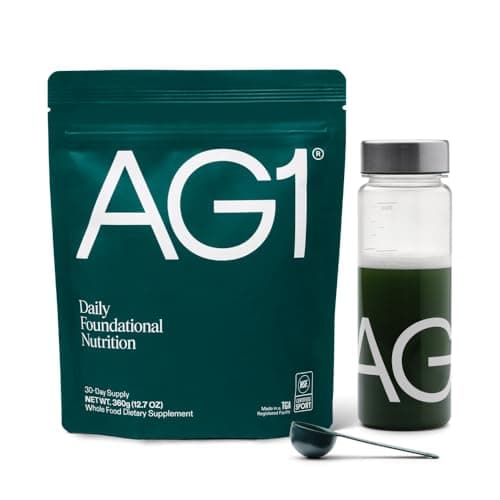
Athletic Greens — Athletic Greens AG1 Daily Foundational Nutrition
All-in-one greens + multivitamin powder
Whole food first: a greens powder supplements, it never replaces
Set expectations before you spend a dollar. A greens powder is dried, milled plant matter, and drying strips away most of the water, volume, and much of the fiber that make vegetables filling and useful. A single scoop cannot stand in for the several cups of produce dietary guidelines point you toward, and it will not give you the chewing, the satiety, or the intact fiber matrix of an actual salad or bowl of broccoli. What a powder can do is add a modest, convenient hedge on days your vegetable intake falls short — travel, deadlines, a fridge that's gone empty. That's a real, if small, benefit, and it's worth being honest about. The trap is treating the scoop as permission to eat worse, which nets you nothing. Buy a greens powder only after you've decided it will sit on top of a diet that already has vegetables in it, not fill a hole where vegetables should be. If your goal is more produce, the cheapest and best move is usually a bag of frozen vegetables, not a tub of powder.
Avoid proprietary blends: demand amounts, not a superfood count
The biggest tell of a marketing-first product is the proprietary blend. Labels love to trumpet "75 superfoods" or "a garden in every scoop," then bundle everything into a single blended total so you can't see how much of anything you're actually getting. That structure exists to hide pixie-dusting — including a trace of an exotic-sounding ingredient purely so it can appear on the label. A long ingredient list is not a feature; it's often a distraction. What you want is a panel that lists the meaningful greens with their individual amounts in grams or milligrams, so you can judge whether there's a real dose of spirulina, chlorella, or leafy greens or just a marketing garnish. Fewer, honestly dosed ingredients beat a sprawling blend you can't verify every time. If a brand won't tell you how much of each ingredient is in the scoop, treat that silence as an answer and move on to one that will.
The key issue: third-party heavy-metal testing
This is the one thing most buyers overlook and the thing that matters most. Plants are efficient at pulling heavy metals — lead, cadmium, and arsenic — out of soil and water and concentrating them in their tissue. A greens powder compresses a lot of plant matter into one scoop, which can concentrate contaminants right along with the nutrients, and cheap rice-based fillers are among the worst offenders for inorganic arsenic. Independent testing has repeatedly flagged elevated heavy metals in some greens and plant-protein products, which is exactly why verification matters more here than in most supplements. Look for genuine third-party testing: an NSF or Informed Sport certification, or a manufacturer that publishes an actual contaminant panel with numbers rather than a vague "tested for purity" claim. A brand that tests and shows the results is telling you it has nothing to hide. A brand that only asserts safety without evidence is asking you to take concentrated plant material on faith. Don't.
Ignore 'detox' and 'alkalizing' marketing
Two words should trigger your skepticism instantly: detox and alkalizing. You already own a detox system — your liver and kidneys filter and clear metabolic waste continuously, and no powder speeds them up or unclogs them. "Detox" on a supplement label is a marketing frame, not a mechanism, and the products making the loudest detox claims are rarely the ones publishing test data. "Alkalizing" is the same story wearing a lab coat. Your blood pH is held in a tight range by your lungs and kidneys regardless of what you eat or drink; a beverage cannot meaningfully move it, and it would be dangerous if it could. The alkaline-diet premise that acidic foods drive disease and alkaline powders reverse it isn't supported by the physiology. None of this means a greens powder is worthless — it means you should judge it on ingredient transparency, dosing, and contaminant testing, and mentally delete every sentence about detoxing your body or balancing your pH. Those claims tell you about the marketing budget, not the product.
Organic to cut pesticides, and watch the sugar and fiber
A few label details separate a decent powder from a padded one. Choosing certified organic greens is a reasonable way to reduce pesticide residue, since you're consuming concentrated plant material where residues can concentrate too; it's not a magic upgrade, but it's a sensible hedge for a product you take daily. Next, read the sugar line. Many greens powders lean on fruit powders and natural sweeteners to make the taste tolerable, which quietly adds sugar and can pad the scoop with cheap fruit-powder bulk that inflates the ingredient count without adding much value. Keep added sugar low. Then check the fiber grams — if a product is selling itself on vegetables, a genuinely useful amount of fiber should show up on the panel, and if it's near zero you're mostly buying flavored dust. The pattern to watch for is a big, colorful blend heavy on fruit powders and light on the greens and fiber it's named after. Real numbers on the label cut through all of it.
Taste and mixability: a powder you gag on gets abandoned
The best-formulated greens powder in the world does nothing if it's sitting unopened in your cupboard, and taste is the number-one reason these products get abandoned. Greens are naturally bitter and grassy, which is why brands add sweeteners, fruit powders, and flavoring — a compromise between palatability and a clean panel. Be realistic about how you'll actually drink it. Many greens powders taste rough shaken with plain water and much better blended into a smoothie with fruit, yogurt, or a banana, which masks the bitterness and improves the texture. Mixability matters too: some powders clump or leave grit at the bottom of the glass, while finer, better-milled ones dissolve cleanly. If you can, buy a single-serving sample or a small tub before committing to a large one, and decide honestly whether you'll drink it daily. A slightly less impressive formula you enjoy beats a pristine one you avoid, because consistency is the only thing that produces any benefit at all.
Value is cost per serving, not per tub
Greens powders are priced to confuse you, so do the arithmetic. The number that matters is cost per serving, not the sticker on the tub — a larger jar or a higher headline price tells you nothing until you divide by the number of scoops inside and account for the actual serving size. Some brands quietly shrink the scoop or assume you'll use less than a full serving to make the per-serving math look better, so read the panel, not the front of the label. Once you normalize to cost per serving, the premium tier often looks a lot less special. Much of what you pay for at the top end is packaging, influencer marketing, and brand story rather than a superior or better-tested formula; plenty of mid-priced powders publish the same third-party testing and list their ingredients just as transparently. Decide your ceiling per serving, then shop for the most transparent, best-tested option under it. Expensive is not a synonym for effective here — it's frequently just a synonym for well-advertised.
Athletic Greens — Athletic Greens AG1 Daily Foundational Nutrition
Frequently asked questions
No. A greens powder is dried, milled plant material, and drying removes most of the water and much of the fiber that make vegetables filling and useful. One scoop cannot match the volume, satiety, or intact fiber of the several cups of produce dietary guidance points you toward. Think of it as a modest convenience hedge for days your vegetable intake falls short, sitting on top of a diet that already includes vegetables — not a substitute for them. If your real goal is simply more produce, a bag of frozen vegetables is cheaper and does more.
Sources
- Are Greens Powders Worth It? What a Dietitian Says — Cleveland Clinic
- Dietary Supplements: What You Need to Know (fact sheet for consumers) — NIH Office of Dietary Supplements
- Certified for Sport — third-party supplement testing and contaminant screening — NSF
- Best Greens Powders, Tested (proprietary blends, heavy-metal testing, cost per serving) — Garage Gym Reviews, 2026
Athletic Greens — Athletic Greens AG1 Daily Foundational Nutrition
$99.99 · on Amazon