The Best Supplements for Weight Loss, Ranked on What They Actually Do
If you want one answer: the best supplement for weight loss is a protein powder, and our pick is Transparent Labs 100% Grass-Fed Whey Isolate. That will disappoint anyone who came here for a fat burner, so here is the reasoning up front. Nothing sold in this category causes fat loss. A calorie deficit causes fat loss, and the only question a supplement can usefully answer is what happens to your muscle and your training while you hold that deficit. On that question the evidence is unusually clear. In a four-week randomized trial published in the American Journal of Clinical Nutrition, 40 young men were put in a roughly 40% energy deficit and trained six days a week; the group eating 2.4 g of protein per kilogram of bodyweight gained 1.2 kg of lean mass and lost 4.8 kg of fat, while the group eating 1.2 g/kg gained 0.1 kg of lean mass and lost 3.5 kg of fat. Same deficit, same training, more protein — more fat lost and muscle gained instead of held. That is the largest effect any product on this page can claim, and it belongs to the cheapest, least glamorous tub in the store. The rest of the page follows from that. Fiber earns a place because a deficit is a volume problem before it is a willpower problem, and because eating less food slows your digestion down in ways nobody warns you about. Creatine earns a place because it protects the training quality that makes the muscle-retention argument work — with the honest caveat that it puts water weight on the scale in week one and will make you think the diet has failed. Electrolytes earn a place only if you have cut carbohydrate hard, where they fix the headache and flatness that make people quit in week two. A multivitamin earns a place as insurance, because fewer calories means fewer micronutrients. And berberine is on this page ranked last, because it is currently marketed as a natural GLP-1 drug and it is not one. What is NOT on this page is the entire fat-burner aisle, and that is not an oversight: the National Institutes of Health's own review of these ingredients reports minimal or no effect on body weight for chromium, chitosan, conjugated linoleic acid and Coleus forskohlii, little to no effect for garcinia cambogia, and no significant effect for glucomannan. Americans spend roughly 2.1 billion dollars a year on weight-loss supplements in pill form, and the Government Accountability Office's summary of the category is that little is known about whether they are effective while some have been associated with the potential for physical harm. Food first, as always — this page is about closing gaps in a deficit, not replacing the deficit. This is general information and not medical advice; if you are on medication, managing a medical condition, pregnant, or have a history of disordered eating, talk to a clinician before you change your diet or add anything here.
Top pick
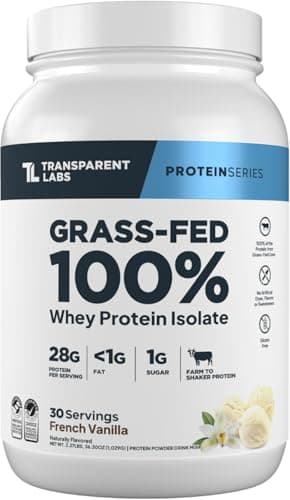
Transparent Labs — 100% Grass-Fed Whey Protein Isolate
28g protein / ~120-130cal, 1g sugar, grass-fed whey isolate, stevia-sweetened, published COAs
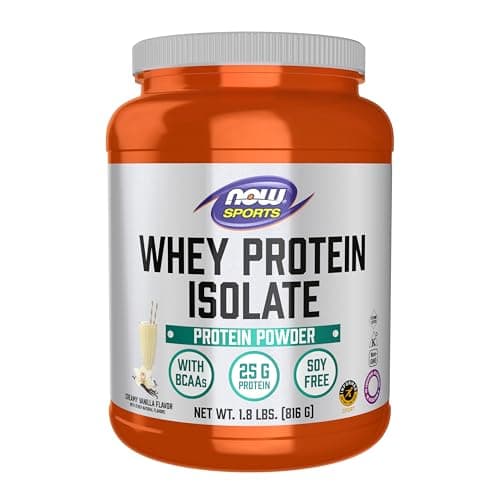
NOW Sports — Sports Whey Protein Isolate (Vanilla)
At a glance
Tap a row to check price · tap a header to sort| # | Best for | Price | ||
|---|---|---|---|---|
| 1 | 1. Transparent Labs — 100% Grass-Fed Whey Protein IsolateBest overall for weight loss | Best overall for weight loss | 9/10 | |
| 2 | 2. NOW Sports — Sports Whey Protein Isolate (Vanilla)Best value protein for a cut | Best value protein for a cut | 8.7/10 | |
| 3 | 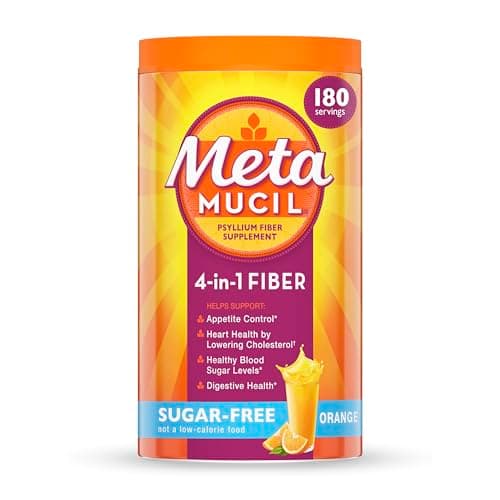 3. Metamucil — Psyllium Husk Fiber (Powder)Best for the hunger and the regularity problem a deficit creates | Best for the hunger and the regularity problem a deficit creates | 8/10 | |
| 4 | 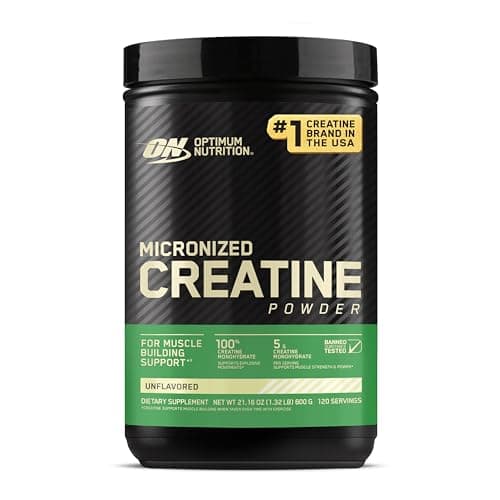 4. Optimum Nutrition — Creatine Monohydrate Powder (Micronized)Best for protecting the training quality that protects your muscle | Best for protecting the training quality that protects your muscle | 7.8/10 | |
| 5 | 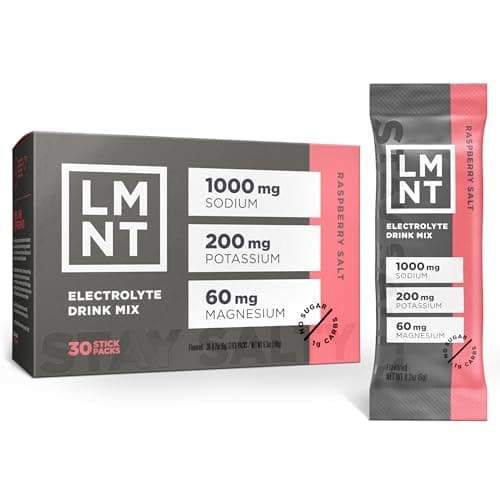 5. LMNT — Recharge Electrolyte Drink MixBest for a hard low-carb cut | Best for a hard low-carb cut | 7/10 | |
| 6 |  6. Thorne — Basic Nutrients 2/DayBest micronutrient insurance for a long diet | Best micronutrient insurance for a long diet | 6.8/10 | |
| 7 |  7. Thorne — Berberine — Dual Action Phytosome Formula (30 servings)Ranked last on purpose | Ranked last on purpose | 5.4/10 |
Prices pulled from Amazon as of October 20, 2026 and are subject to change. The price shown on Amazon at checkout applies.
How we scored
Every product below is scored on six metrics, 0-10 each, with the weighting described on how we review. The criteria specific to this category:
- Does it help you hold a calorie deficit, or help you keep muscle while you do? This is the only question that matters here, and it is weighted heaviest. A deficit is what removes fat; a supplement's whole opportunity is in the collateral damage. Protein directly reduces lean-mass loss in a deficit with randomized evidence behind it. Fiber and volume help with the hunger that ends diets. Creatine protects training performance, which protects the stimulus that tells your body to keep the muscle. Those are real mechanisms with measured effects. 'Boosts metabolism' and 'supports fat metabolism' are not mechanisms, they are copy.
- Effect size in plain numbers, not direction. Almost every fat-burner claim is technically true and practically irrelevant, and the only way to see that is to insist on the number. Caffeine does raise energy expenditure — NIH puts a 100 mg dose at a mean of 9.2 kcal/hour more than placebo, lasting three hours or more. That is roughly 28 calories, or about a third of an apple, from a dose that also costs you sleep if you take it late. We apply that standard to everything: if the honest number is a rounding error against a 500-calorie daily deficit, the product does not get ranked ahead of the things that are not.
- Dose and form that match the research. For protein that means grams of complete protein per scoop against protein targets expressed in g/kg, not a 'metabolic blend'. For fiber it means the fiber type actually studied at the gram dose actually used. For creatine it means 5 g of plain monohydrate. For electrolytes it means sodium printed in milligrams, because the whole point of an electrolyte product on a low-carb diet is replacing sodium you are losing. If the label forces you to guess the amount of the active ingredient, the product fails this criterion regardless of what is in it.
- Third-party testing, which matters more in this category than almost any other. Weight-loss supplements are the single most adulterated corner of the supplement market: in 2016 alone the FDA issued 36 public notifications warning consumers not to buy specific weight-loss products because they contained a hidden drug ingredient, frequently sibutramine — a weight-loss drug pulled from the US market in 2010 over cardiovascular safety. A product with an undeclared pharmaceutical in it is not a supplement, and the only practical defense a shopper has is NSF Certified for Sport, Informed Sport, USP Verified or a brand that publishes batch certificates of analysis. We weight certification heavily and we rank uncertified proprietary blends last on principle.
- Label honesty and whether food does the job better. NIH notes that weight-loss products can contain dozens of ingredients and some contain more than 90, which is a design choice that exists to make a label look busy and an effect impossible to attribute. We reward single-purpose products with countable ingredients, and we say so plainly when food wins: chicken and Greek yogurt beat a protein tub, beans and vegetables beat a fiber scoop, and a plate with 40 g of protein and a pound of vegetables on it does more for satiety than anything shipped in a bottle. The supplements here are for the gap between that plate and the day you actually had.
What to know before buying
- Set the deficit first, then decide what you need. The rate that keeps the most muscle is slower than most people choose: the evidence-based recommendations for natural bodybuilding contest preparation, published in the Journal of the International Society of Sports Nutrition, put caloric intake at a level producing bodyweight losses of roughly 0.5 to 1% per week to maximize muscle retention, with most lifters responding best to 2.3-3.1 g of protein per kilogram of lean body mass per day. For a 180 lb person that is around one to one and a half pounds a week, not four. Faster is not better here — it is simply a larger share of the loss coming out of muscle, and the supplement aisle cannot buy that back.
- Protein is the purchase, and the target is a daily number rather than a timing trick. The systematic review of protein intake during caloric restriction in resistance-trained lean athletes found fat-free mass decreased in nine of the thirteen study groups it examined, and the one group that was neither high in body fat nor given a novel training stimulus yet still held its fat-free mass through substantial restriction was the group eating the most protein of any in the review, at 2.5-2.6 g/kg. The practical read: hit the daily total from food where you can, and use powder for the gap. A 25-30 g scoop is the convenient way to close a 40 g shortfall on a day that got away from you, and an isolate is the sensible format because it buys the protein without the calories.
- Expect the scale to lie for the first two weeks, and know which lies to ignore. Three of them are routine. Creatine pulls water into muscle, so a few pounds can appear in the first week of supplementation and it is not fat. Cutting carbohydrate hard drops glycogen and the water bound to it, so the first week of a low-carb diet shows a loss far larger than any fat you actually lost. And a fiber supplement changes gut transit and content before it changes anything else. None of this is a reason to avoid any of the three; it is a reason to weigh yourself the same way every day, judge the weekly average rather than the morning, and use a tape measure and how your training feels as the second and third data points.
- Fewer calories means fewer micronutrients, which is the one genuinely boring risk of a long diet. This is the honest case for a multivitamin in a deficit, and it is insurance rather than an effect: a 1,600-calorie day built from whole foods can cover you, and a 1,600-calorie day built around convenience often does not. It is also the reason we do not recommend bolting a fat burner onto a diet — stimulant blends suppress appetite, lower intake further, and push the micronutrient problem the wrong way while delivering the ~28-calorie expenditure bump above. If you are restricting hard for months, a cheap verified multivitamin and a blood panel are better purchases than anything with 'thermo' in the name.
- Read the fat-burner aisle's own evidence before you spend on it, because it is public and it is not good. NIH's review of the common ingredients is blunt. Garcinia cambogia: little to no effect on body weight, and when a 2011 meta-analysis of twelve randomized trials in 706 people restricted itself to the two rigorously designed trials, the 0.88 kg effect stopped being statistically significant. Glucomannan: no significant effect on body weight across meta-analyses of trials up to twelve weeks. Chromium, chitosan and conjugated linoleic acid: minimal effect. Coleus forskohlii: no effect. Raspberry ketone: insufficient research to draw firm conclusions, and studied only in combination with other ingredients. Green tea extract, the best of the bunch, came to 0.95 kg more than placebo in a 2012 Cochrane review of fourteen trials — and the six trials conducted outside Japan showed no statistically significant difference at all, while EFSA concluded that a cause-and-effect relationship between green tea catechins and maintaining a normal body weight has not been established. Green tea extract is also the one on this list with reported liver damage against its name. None of that is a close call.
- Talk to a clinician if you are taking anything that acts on blood sugar, and do not treat a supplement as a substitute for a drug. This matters most for the berberine pick at the bottom of this page, which is being sold across social media as a natural alternative to GLP-1 medications. It is not one — different mechanism, different magnitude, different evidence base — and it can interact with diabetes medications and lower blood sugar further than intended. The broader context is that fewer than one-third of US adults who use weight-loss dietary supplements discuss that use with a health care professional. If you are on metformin, insulin, a GLP-1 agonist, blood pressure medication or a thyroid medication, that conversation is the highest-value thing on this page and it is free.
Our picks
Transparent Labs — 100% Grass-Fed Whey Protein Isolate
Key specs: 28g protein / ~120-130cal, 1g sugar, grass-fed whey isolate, stevia-sweetened, published COAs
Pros
- Protein in a deficit is the only intervention on this page with a randomized trial behind it: 2.4 g/kg beat 1.2 g/kg on both lean mass gained and fat lost, at an identical ~40% energy deficit and identical training
- Highest protein-per-calorie of the picks here at 28 g per scoop for roughly 120-130 calories, which is what makes a scoop fit inside a cut rather than competing with it
- Clean label with no artificial sweeteners and published certificates of analysis — the thing almost nothing in the fat-burner aisle offers
- Also the most satiating macronutrient per calorie, so it is doing the hunger job and the muscle job at the same time
Cons
- A powder is a convenience product, not a requirement — chicken, eggs, fish and Greek yogurt do the same job and bring micronutrients with them
- Stevia is divisive, and there is no unflavored escape hatch here the way there is with a plain isolate
- Among the more expensive isolates per serving, and the protein itself is not better than a cheaper certified isolate — you are paying for the grass-fed sourcing and the label
Who this one is for
For anyone in a deficit who is not reliably hitting their protein target from food, which is most people. An isolate is the right format for a cut because it delivers the protein with almost nothing else attached — 28 g per scoop at roughly 120-130 calories — so it closes a gap without eating much of your day. Skip it if you already hit your protein number from meals; buy groceries instead.
Transparent Labs — 100% Grass-Fed Whey Protein Isolate
- Helps you hold a deficit10/10
- Evidence in a deficit10/10
- Dose & form9/10
- Label honesty10/10
- Value7/10
NOW Sports — Sports Whey Protein Isolate (Vanilla)
Key specs: 25g protein with added BCAAs, whey isolate, 1.8 lb tub, Informed Sport certified
Pros
- Informed Sport certified, which is the certification that actually matters in a category where the FDA issued 36 public notifications in a single year about hidden drug ingredients
- 25 g of isolate per scoop is above the 20 g threshold where a serving meaningfully moves a daily protein total
- Consistently the lowest cost per gram of certified isolate we track, which is the number that decides whether you actually keep using it for a 16-week diet
- NOW publishes third-party testing and runs its own in-house lab, so the quality case does not rest on marketing
Cons
- The added BCAAs are label padding in a complete protein — whey already contains them, and the three branched-chain amino acids cannot build muscle without the other six essentials
- Flavor and texture are merely fine; this is a functional tub, not a treat
- Vanilla and chocolate only in most listings, so flavor fatigue over a long diet is a real complaint
Who this one is for
For the reader who accepted the protein argument and does not want to pay a premium for sourcing claims. 25 g of isolate per scoop with Informed Sport certification is the whole requirement, and this meets it at a fraction of the cost per serving. It is also the right pick if you are drug-tested in any sanctioned sport, where certification is not optional.
NOW Sports — Sports Whey Protein Isolate (Vanilla)
- Helps you hold a deficit10/10
- Evidence in a deficit10/10
- Dose & form8/10
- Label honesty8/10
- Value10/10
Metamucil — Psyllium Husk Fiber (Powder)
Key specs: Psyllium husk powder, scalable dose by teaspoon, soluble gel-forming fiber, decades of clinical use
Pros
- Addresses the actual failure mode of most diets — hunger — through a mechanism that is physical rather than pharmacological: psyllium forms a gel, adds volume and slows gastric emptying
- Fixes the constipation that routinely arrives in week two of eating less, which is a far more common reason people abandon a diet than anyone admits
- A powder means you control the dose and can ramp it, which matters because starting too high is what causes the gas and bloating people blame on fiber itself
- Psyllium is the fiber with the deepest evidence base of anything in this aisle, including an FDA-authorized health claim for its soluble fiber and heart disease
Cons
- Fiber supplements are not weight-loss agents, and we will not pretend otherwise — the NIH review of glucomannan found no significant effect on body weight, and beta-glucan trials at 3-10 g/day for 4-12 weeks found the same
- The gritty texture is the real reason people quit this product, and the flavored versions add sweeteners you may not want
- Requires a full glass of water per dose without exception; psyllium taken dry or with too little fluid is the basis for the choking and obstruction warnings on the label
Who this one is for
For anyone whose diet is failing on hunger rather than on knowledge, and for the very common problem nobody warns dieters about: eating less food means less fiber and less bulk, and digestion slows down accordingly. Psyllium is the most-studied soluble fiber and a powder lets you scale the dose. Not for you if you are already eating 30 g of fiber from food — then this is a solution to a problem you do not have.
Metamucil — Psyllium Husk Fiber (Powder)
- Helps you hold a deficit8/10
- Evidence in a deficit7/10
- Dose & form9/10
- Label honesty8/10
- Value9/10
Optimum Nutrition — Creatine Monohydrate Powder (Micronized)
Key specs: 5g creatine monohydrate per serving, 600g tub, Creapure-grade micronized
Pros
- Protects performance in a deficit, which is the indirect but real route to keeping muscle — a weaker session is a weaker signal to retain tissue
- One of the few supplements in any category where the dose question is settled: 5 g a day of plain monohydrate, no loading phase required, timing irrelevant
- Monohydrate is the most-studied form and the cheapest, so the entire 'advanced creatine' shelf is a markup on a solved problem
- Cost per effective dose is among the lowest of anything on this page, and a 600 g tub runs about four months
Cons
- It will put water weight on the scale in the first week or two, which in a deficit is psychologically brutal and causes people to quit a diet that is working
- Zero direct effect on fat loss — if you are not training, this does nothing for this goal and you should skip it
- 'Micronized' and 'Creapure-grade' are mixing and sourcing claims, not efficacy claims; plain monohydrate performs the same
Who this one is for
For anyone lifting through a deficit, which should be everyone reading this. Creatine does not touch body fat — its job here is keeping your strength and work capacity up when calories are down, because the training stimulus is what tells your body to hold onto muscle. The evidence-based contest-prep review names creatine monohydrate, caffeine and beta-alanine as the supplements with beneficial effects relevant to cutting; most others, it says, do not or warrant further study.
Optimum Nutrition — Creatine Monohydrate Powder (Micronized)
- Helps you hold a deficit7/10
- Evidence in a deficit8/10
- Dose & form10/10
- Label honesty9/10
- Value10/10
LMNT — Recharge Electrolyte Drink Mix
Key specs: 1000mg sodium, 200mg potassium, 60mg magnesium, zero sugar, stevia-sweetened, 30 packets
Pros
- 1,000 mg of sodium per packet is in the range that actually addresses low-carb sodium losses, and it is printed on the label rather than hidden in an 'electrolyte complex'
- Zero sugar, so it fits a cut without spending calories — which is the whole reason this and not a sports drink
- Solves a specific adherence problem with a specific mechanism, which is more than any fat burner on the shelf can say
- Also useful for training in heat during a deficit, where underfueling and dehydration compound each other
Cons
- Does nothing whatsoever for fat loss — the week-one 'weight loss' people credit to electrolytes or keto is glycogen and its bound water
- 1,000 mg of sodium is the wrong product for anyone managing blood pressure or on a sodium-restricted diet, and that is a clinician conversation
- Expensive per serving for what is fundamentally salt, potassium and magnesium; a measured pinch of salt in water does most of this for pennies
Who this one is for
For the reader whose deficit is built on cutting carbohydrate hard, and only for them. Dropping carbs drops insulin, which increases sodium excretion, which produces the headache, flatness and dead legs that end most keto attempts in week one. At 1,000 mg of sodium per stick this is the strongest honest answer to that specific problem. If you are dieting on a normal mixed diet, you do not need this.
LMNT — Recharge Electrolyte Drink Mix
- Helps you hold a deficit7/10
- Evidence in a deficit5/10
- Dose & form9/10
- Label honesty9/10
- Value6/10
Thorne — Basic Nutrients 2/Day
Key specs: 2-capsule daily serving, methylfolate + methylcobalamin + MK-4 K2, NSF Certified for Sport
Pros
- Addresses the one real nutritional risk of a sustained deficit — micronutrient intake falling with calorie intake — rather than inventing a metabolic claim
- NSF Certified for Sport, which in a category this adulterated is the single most valuable thing on a label
- Active forms (methylfolate, methylcobalamin) and no proprietary blend, so every amount is countable
- A 2-capsule serving spreads the dose, which is better tolerated on an empty stomach than a single horse pill
Cons
- Not a weight-loss supplement in any sense, and we have ranked it accordingly — it is here for the deficit, not for the fat
- Expensive for a multivitamin, and a USP-verified mainstream tablet covers the same gap for a fraction of the cost
- A varied whole-food diet makes it unnecessary; if your 1,600 calories are vegetables, fish and eggs, skip it
Who this one is for
For anyone restricting calories for months rather than weeks, where the micronutrient gap is the quiet risk. Fewer calories means fewer vitamins and minerals, and a convenience-heavy 1,600-calorie day misses more than people expect. This is insurance, explicitly not an effect — it will not change your rate of loss by a gram. NSF Certified for Sport, two capsules, nothing proprietary.
Thorne — Basic Nutrients 2/Day
- Helps you hold a deficit5/10
- Evidence in a deficit6/10
- Dose & form10/10
- Label honesty10/10
- Value6/10
Thorne — Berberine — Dual Action Phytosome Formula (30 servings)
Key specs: Berberine phytosome, enhanced-absorption formulation, 30 servings, published third-party testing
Pros
- If you are going to take berberine, the phytosome form from a brand with this testing record is the sensible way to do it — the quality of the product is not the problem here
- Single-purpose label with a countable dose, which separates it from the cinnamon-and-cayenne kitchen-sink blends that dominate the category
- Its real literature is about blood glucose and lipids, which is a legitimate target — just a different one from the keyword that brought you to this page
Cons
- It is not a natural GLP-1 agonist, and the comparison circulating on social media is marketing rather than pharmacology — different mechanism, different magnitude, different evidence
- Scores low on THIS page's rubric by design, because the rubric asks whether a product helps you hold a deficit or keep muscle and berberine does neither; it scores far higher on our berberine page, where the question is glycemic support
- Real interaction risk: it can lower blood sugar further in people already on diabetes medication, and gastrointestinal side effects are common — which is exactly the situation where fewer than a third of US supplement users talk to a clinician
Who this one is for
Included because it is the most-searched weight-loss supplement of the moment and the claim deserves a direct answer rather than silence. Berberine is not a GLP-1 drug and does not work like one; its evidence base is about glycemic control, not fat loss, and it is a well-made product for a goal that is not the one on this page. If your interest is metabolic health rather than the scale, read our berberine roundup — and if you take diabetes medication, read it with your clinician.
Thorne — Berberine — Dual Action Phytosome Formula (30 servings)
- Helps you hold a deficit3/10
- Evidence in a deficit3/10
- Dose & form9/10
- Label honesty8/10
- Value5/10
Frequently asked questions
A protein powder, and the reason is that it is the only product in the category with a randomized trial showing it changes body composition during a deficit. In the American Journal of Clinical Nutrition trial, 40 young men held a roughly 40% energy deficit and trained six days a week for four weeks; the 2.4 g/kg protein group gained 1.2 kg of lean mass and lost 4.8 kg of fat, while the 1.2 g/kg group gained 0.1 kg of lean mass and lost 3.5 kg of fat. No fat burner has evidence remotely like that. The caveat is that the supplement is not doing anything magic — it is a convenient way to hit a protein target you could also hit with chicken, eggs, fish and Greek yogurt. If you are already hitting that target from food, the best weight-loss supplement for you is none of them.
Related reading
- → How much protein per day (the g/kg math)
- → How to choose a protein powder
- → How to take creatine (3-5 g, no loading needed)
- → How much fiber do you need per day?
- → How to read a supplement label
- → How accurate are smart scales?
- → Whey isolate vs concentrate
- → Whey vs casein protein
- → Best protein powders for weight loss
- → Best protein powders
- → Best fiber supplements
- → Best creatine supplements
- → Best berberine supplements
- → Best electrolytes for keto
- → Best multivitamins
- → Best supplements for muscle growth
- → Best smart scales
Sources
- Dietary Supplements for Weight Loss — Health Professional Fact Sheet (GAO conclusion on efficacy and harm; ~15% of US adults have used one; roughly 2.1 billion dollars a year spent on pill-form products; products can contain dozens of ingredients and some more than 90; fewer than one-third of users discuss it with a clinician; 36 FDA public notifications in 2016 about hidden drug ingredients including sibutramine, withdrawn from the US market in 2010; ingredient-by-ingredient findings for garcinia cambogia, glucomannan, chromium, chitosan, CLA, Coleus forskohlii, raspberry ketone, beta-glucans, caffeine and green tea extract) — NIH Office of Dietary Supplements
- Higher compared with lower dietary protein during an energy deficit combined with intense exercise promotes greater lean mass gain and fat mass loss: a randomized trial (Longland TM, Oikawa SY, Mitchell CJ, Devries MC, Phillips SM — 40 men, 4 weeks, ~40% energy deficit, 2.4 vs 1.2 g/kg/day; lean mass +1.2 kg vs +0.1 kg, fat mass -4.8 kg vs -3.5 kg) — American Journal of Clinical Nutrition, 2016
- Evidence-based recommendations for natural bodybuilding contest preparation: nutrition and supplementation (Helms ER, Aragon AA, Fitschen PJ — 0.5-1% bodyweight loss per week to maximize muscle retention; 2.3-3.1 g/kg of lean body mass per day of protein; creatine monohydrate, caffeine and beta-alanine named as having beneficial effects relevant to contest prep while others do not or warrant further study) — Journal of the International Society of Sports Nutrition, 2014
- A systematic review of dietary protein during caloric restriction in resistance trained lean athletes: a case for higher intakes (Helms ER, Zinn C, Rowlands DS, Brown SR — fat-free mass decreased in 9 of 13 study groups; the one lean group holding FFM through substantial restriction without a novel training stimulus consumed the review's highest protein intake at 2.5-2.6 g/kg) — International Journal of Sport Nutrition and Exercise Metabolism, 2014
- Product titles, doses, counts, certifications, live prices and availability for every product on this page — retrieved via the Amazon product data layer — Amazon product listing data, 2026
Last verified: October 20, 2026. See our editorial policy and how we review for details on scoring and update cadence. Canonical URL: https://trustedhealthgear.com/reviews/best-supplements-for-weight-loss.
Transparent Labs — 100% Grass-Fed Whey Protein Isolate
$64.99 · on Amazon