Whey vs Casein: Which Protein Powder Should You Buy?
Whey and casein are both high-quality complete proteins made from milk — the difference is speed. Whey digests fast, producing a rapid, high spike in blood amino acids (and leucine, the key trigger for muscle protein synthesis), which is why it's the popular choice around training. Casein digests slowly: it clots in the stomach and releases amino acids in a low, steady drip over hours, which is why it gets used for satiety and before bed. Both build muscle well, and for the overwhelming majority of people the far more important question isn't whey versus casein — it's whether you're hitting your total daily protein target at all. For most people, whey is the simpler, cheaper daily powder; casein is a useful niche add-on, not a requirement.
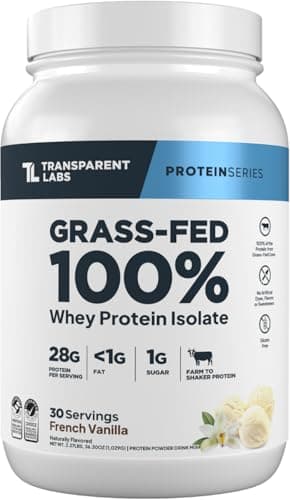
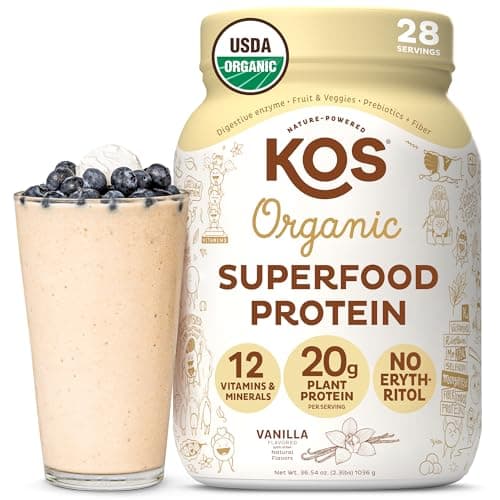
The verdict
Buy whey as your default protein powder: it's cheaper per gram, mixes better, and its fast, leucine-rich spike makes it the simplest quality choice for daily use and around training. Add casein only if you specifically want a slow-release protein for satiety on a diet or a pre-bed dose — and even then, treat it as an optional extra. Neither timing trick outweighs total daily protein intake, so nail your daily total first and let these two be details, not decisions.
Side-by-side
| Attribute | Whey Protein | Casein Protein |
|---|---|---|
| Source | Milk (whey fraction, ~20% of milk protein) | Milk (casein fraction, ~80% of milk protein) |
| Digestion speed | Fast — rapid gastric emptying, quick amino-acid rise | Slow — clots in the stomach, released over ~hours |
| Amino-acid curve | High, short spike (peaks then falls) | Lower, prolonged plateau |
| Leucine per ~25g protein | Higher (~2.5-3g) — strong MPS trigger | Lower per unit, but sustained delivery |
| Best use case | Daily powder, around training, quick shakes | Before bed, long gaps between meals, satiety |
| Texture / mixability | Thin, smooth, dissolves easily | Thick, gels up — pudding-like when blended |
| Typical cost per gram of protein | Lower (concentrate is cheapest quality protein) | Higher than whey per gram |
| Lactose | Isolate very low; concentrate contains more | Low-to-moderate; micellar casein is fairly low |
Who should pick which
Pick Whey Protein
- Most people who want one everyday protein powder — whey is cheaper per gram, mixes smoother, and covers daily targets and post-training.
- Trainees who want the biggest, fastest leucine spike around a workout to maximally trigger muscle protein synthesis.
- Cost-sensitive buyers — commodity whey concentrate is the cheapest high-quality protein per gram.
Pick Casein Protein
- People who want a slow, steady protein release overnight or a long gap between meals (before bed, or as a mid-day anti-hunger snack).
- Dieters prioritizing satiety — casein's slow digestion and thick texture tends to keep hunger down longer.
Same milk, two speeds
Whey and casein aren't rival products so much as the two protein fractions of milk — roughly 20% whey and 80% casein. Both are complete proteins containing all essential amino acids, and both are well digested. The headline difference is kinetics. Whey stays soluble in the stomach and empties quickly into the small intestine, so it produces a fast, high rise in blood amino acids that peaks and then falls — the classic 'fast protein.' Casein does the opposite: exposed to stomach acid it clots into a gel, which slows gastric emptying dramatically and releases amino acids in a low, prolonged trickle over several hours — the 'slow protein.' This fast-versus-slow framing traces back to a landmark 1997 study by Boirie and colleagues, and it explains almost every practical difference between the two, from when people take them to how they feel in a shaker.
Whey wins the muscle-protein-synthesis spike
For directly and quickly stimulating muscle protein synthesis (MPS), whey has the edge. Muscle building responds to a 'leucine threshold' — roughly 2.5-3g of leucine in a serving is enough to flip on the synthesis switch in younger adults — and whey is both leucine-rich and fast, so it clears that threshold sharply. In the original Boirie work, the fast whey meal stimulated postprandial protein synthesis more than the slow casein meal. That's the physiological basis for the popular habit of a whey shake around training. But keep the effect in perspective: this is about the shape of a single meal's response, not about long-term muscle gain, where the research is much less impressed by protein type than by how much you eat over the day.
Casein wins slow release, satiety, and 'anti-breakdown'
Casein's slow drip is a feature in the right context. Because it delivers amino acids steadily for hours, it's the logical choice when there's going to be a long gap with no food — most famously before bed, so your muscles have a trickle of amino acids overnight, and as a mid-day snack when you want to stay full. In the Boirie study, casein's standout effect wasn't boosting synthesis but blunting whole-body protein breakdown, which some people frame as an 'anti-catabolic' benefit over long fasts. Casein also tends to be more filling — it's thick, it gels, and it lingers in the gut — which makes it useful on a calorie deficit where hunger is the enemy. Just remember these are situational advantages, not a reason to make casein your primary powder.
Both build muscle — total daily protein is what actually matters
Here's the part the marketing tends to bury: for building and keeping muscle over weeks and months, total daily protein and consistent training dwarf the whey-versus-casein question. The 2017 International Society of Sports Nutrition (ISSN) position stand puts the useful target around 1.4-2.0 g of protein per kg of body weight per day for active people, spread across several meals — and it treats both whey and casein as high-quality options. Studies pitting the two head-to-head with matched total protein generally show similar long-term results. The famous pre-sleep casein trials mostly show benefits when casein adds protein you wouldn't otherwise have eaten, not because slow protein is magic. So chase your daily number first. Once you're consistently hitting it, the choice between fast and slow is a fine-tuning detail, not the lever that decides your progress.
The practical call: whey as your daily driver, casein as a tool
For nearly everyone, whey is the smarter everyday powder — it's cheaper per gram, mixes into a thin, drinkable shake, and its fast leucine hit makes it a clean choice for daily protein and around training. Whey isolate is the low-lactose, higher-protein version if dairy bothers you; concentrate is the cost-effective default if it doesn't. Casein earns a spot as a specialist tool: a scoop before bed if you want an overnight release, or a thick, pudding-like snack to fight hunger on a diet. Plenty of serious lifters keep both — whey for the day, casein at night — but if you're buying one tub, buy whey. And if you don't tolerate dairy at all, a well-designed plant blend covers the same job; that's a separate comparison worth reading before you decide.
Frequently asked questions
For maximally stimulating muscle protein synthesis in a single serving, whey has the edge because it's fast and leucine-rich. But for long-term muscle gain over weeks and months, the difference between the two is small — total daily protein and consistent resistance training matter far more than which milk protein you pick. Most people build muscle just fine on whey alone; casein is an optional add-on, not a requirement.
Sources
- Slow and fast dietary proteins differently modulate postprandial protein accretion (the original whey-vs-casein 'fast vs slow' study) — PNAS (Boirie et al.), 1997
- International Society of Sports Nutrition Position Stand: Protein and Exercise (daily protein targets; whey and casein as high-quality options) — Journal of the International Society of Sports Nutrition, 2017
- Whey protein — evidence summary (digestion rate, leucine, muscle protein synthesis) — Examine.com
- Casein protein — evidence summary (slow digestion, pre-sleep protein, satiety) — Examine.com
Transparent Labs — Whey Protein Isolate
$64.99 · on Amazon