Whey vs Plant Protein: Which Should You Pick?
Whey has a higher DIAAS (Digestible Indispensable Amino Acid Score) than most single-source plant proteins, which translates to a higher fraction of amino acids usable by the body for muscle protein synthesis. Multi-source plant blends close much of that gap. If you tolerate dairy, whey isolate is the simplest high-quality pick. If you don't — or you prefer plant — a well-designed blend (pea + rice, or pea + legumes) works.
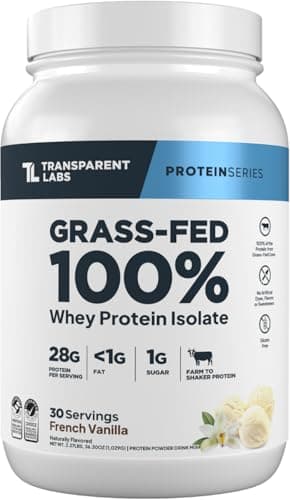
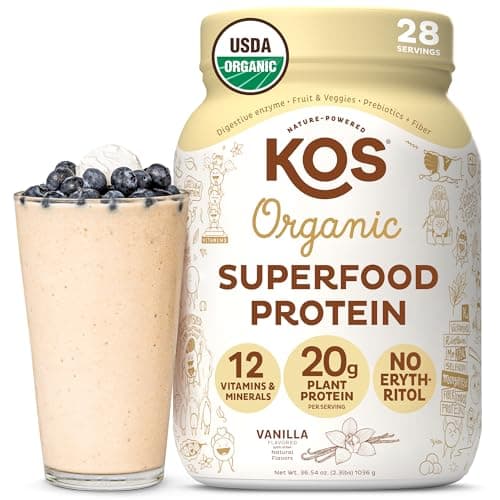
The verdict
Pick whey if you tolerate dairy and want the highest amino-acid completeness per gram. Pick plant protein if you're vegan/vegetarian, lactose intolerant, or specifically choose plant-based for dietary reasons — and choose a multi-source blend over pea or rice alone.
Side-by-side
| Attribute | Whey protein | Plant protein |
|---|---|---|
| Source | Milk (whey fraction) | Pea, rice, hemp, soy, or blends |
| DIAAS score (typical) | ~1.0-1.2 (higher = more complete) | Pea ~0.7, rice ~0.6, pea+rice blend ~0.9-1.0 |
| Protein per scoop | 20-28g (isolate typically highest) | 20-30g (blends often higher scoop) |
| Leucine content per 25g protein | ~2.5-3g | ~1.9-2.3g (varies by source) |
| Lactose content | Isolate very low; concentrate contains more | None |
| Mixability / texture | Smoother; dissolves easily | Grittier; texture depends on source |
| Common allergens | Milk | Soy, wheat (depending on product) |
| Typical price per gram of protein | Lower for concentrate; moderate for isolate | Comparable to whey isolate or higher |
| Where to buy |
Prices pulled from Amazon as of October 18, 2026 and are subject to change. The price shown on Amazon at checkout applies.
Who should pick which
Pick Whey protein
- People who tolerate dairy and want highest amino-acid completeness.
- Cost-sensitive buyers — whey is typically cheaper per gram of quality protein.
- Athletes prioritizing leucine-rich protein for muscle protein synthesis.
Pick Plant protein
- Vegans, vegetarians, or people with milk allergies / lactose intolerance.
- Users who want fiber along with protein (some plant blends include it naturally).
What DIAAS actually means
DIAAS (Digestible Indispensable Amino Acid Score) measures the limiting amino acid's digestibility-corrected score relative to human requirements. Whey scores around 1.0-1.2 (the scale maxes out at this level). Pea protein scores ~0.7, rice ~0.6. The weak amino acid in pea is methionine; in rice, it's lysine. Pea + rice in a blend complement each other and land near 1.0. This is why multi-source plant blends are meaningfully better than any single-source plant for muscle-focused use.
Leucine threshold matters for muscle synthesis
Muscle protein synthesis (MPS) has a 'leucine threshold' — roughly 2.5-3g of leucine per meal to maximally stimulate MPS in younger adults, higher in older adults. A 25g scoop of whey isolate hits that threshold. A 25g scoop of pea or rice protein typically doesn't without upping the dose. Practically: if you're using plant protein for muscle-focused training, consider 30-35g per serving rather than 25g.
Digestion and tolerance
Whey isolate (>90% protein) is nearly lactose-free and tolerated by most people including many who can't handle whole milk. Whey concentrate (~80% protein) contains more lactose and may cause GI issues in lactose-intolerant users. Plant proteins are lactose-free by definition but can cause different GI patterns — pea and soy in particular cause bloating in some users. Rice is among the gentlest.
Cost
Commodity whey concentrate is the cheapest high-quality protein per gram. Whey isolate is moderate. Quality plant blends (pea + rice or pea + legumes) are often priced comparable to whey isolate — the price premium over single-source pea is real but justified by the complete amino-acid profile.
Frequently asked questions
For muscle-focused use, whey has a per-gram advantage in amino-acid completeness and leucine content. A well-designed plant blend closes most of the gap. For general protein intake (meeting daily targets), either works fine — pick based on dietary preference and tolerance.
Related reading
Sources
- Digestibility of amino acids and protein: DIAAS versus PDCAAS — Advances in Nutrition, 2017
- Soy protein supplementation is not androgenic or feminizing in men: a meta-analysis — Reproductive Toxicology, 2021
- Leucine content and muscle protein synthesis — Journal of Applied Physiology, 2009
Transparent Labs — Whey Protein Isolate
$64.99 · on Amazon