Whey Isolate vs Concentrate: Which Protein Powder Should You Buy?
Whey isolate and whey concentrate come from the same milk protein, so the argument between them is smaller than the marketing makes it sound. Concentrate is filtered less: it lands around 70 to 80 percent protein by weight and keeps small amounts of lactose, fat, and carbohydrate along for the ride, which is exactly why it's cheaper. Isolate is filtered further to roughly 90 percent or more protein, stripping out most of that lactose and fat, which is exactly why it costs more per pound. Both are complete proteins, both are rich in leucine — the amino acid that flips on muscle protein synthesis — and both build muscle the same way when your total daily protein is equal. That last point is the whole ballgame: for most people, hitting your protein target for the day matters far more than which filtration grade you scooped. So concentrate is usually the smarter buy, because you're paying an isolate premium mainly to remove a few grams of carbs, fat, and lactose per serving. Isolate earns its price if you're genuinely lactose-sensitive, cutting and tracking macros tightly, or you simply want the leanest possible per-scoop.
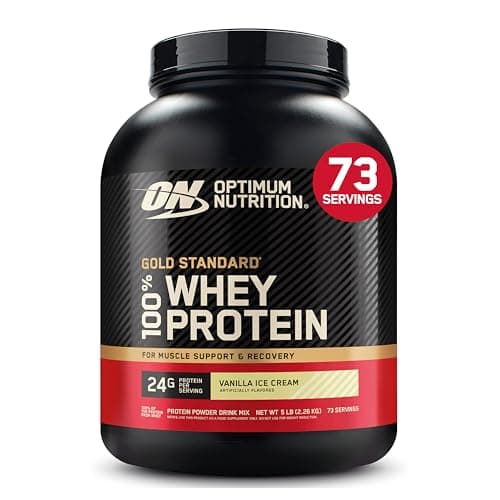
Optimum Nutrition — Gold Standard 100% Whey
The verdict
For most people, whey concentrate is the smarter buy. It's a complete, high-leucine protein that builds muscle just as well as isolate when your total daily protein matches, and it costs less per gram of protein — so your money goes further. Reach for isolate when you have a specific reason: you're lactose-sensitive and concentrate bothers your stomach, you're in a tight cut and want to shave every stray gram of carbs and fat, or you want the leanest per-scoop macro for strict tracking. Skip hydrolysate ('fastest-absorbing') unless a doctor or dietitian told you to — for a typical lifter it's an overpriced solution to a problem you don't have. Whichever you choose, remember the powder is a convenience tool sitting on top of real food; protein powder supplements a diet, it doesn't replace one. If you have kidney disease or another medical condition that limits protein, talk to your doctor before loading up.
Side-by-side
| Attribute | Whey Isolate | Whey Concentrate |
|---|---|---|
| Protein by weight | ~90%+ protein | ~70-80% protein |
| Lactose | Most removed — usually low | Small amounts remain |
| Fat and carbs per scoop | Minimal — leanest macro | A few extra grams of each |
| Cost per gram of protein | Higher — you pay a premium | Lower — more protein per dollar |
| Complete protein? | Yes — all essential amino acids | Yes — all essential amino acids |
| Leucine content | High — triggers muscle protein synthesis | High — triggers muscle protein synthesis |
| Muscle-building result | Same as concentrate at equal daily protein | Same as isolate at equal daily protein |
| Best for | Lactose-sensitive, cutting, strict macros | Most people, budget, muscle gain |
| Taste and texture | Slightly thinner, less creamy | Often creamier from residual fat |
Who should pick which
Pick Whey Isolate
- Anyone lactose-sensitive whose stomach reacts to concentrate — isolate removes most of the lactose and usually sits easier.
- Lifters in a tight cut tracking macros closely, who want the leanest per-scoop protein with minimal stray carbs and fat.
Pick Whey Concentrate
- Most people — concentrate is a complete, high-leucine protein that builds muscle just as well as isolate when daily protein matches, for less money.
- Budget-focused buyers who want the most grams of protein per dollar and don't need the leanest possible macro.
- People bulking or gaining muscle, where the small extra carbs and fat in concentrate are a non-issue or even welcome.
Same protein, different filtration
Whey is the liquid left over when milk is turned into cheese, and both isolate and concentrate start from that identical raw material. The only real difference is how far it gets filtered. Concentrate is processed less, so it comes out around 70 to 80 percent protein by weight and holds onto small amounts of lactose, fat, and carbohydrate. Isolate is filtered further — through processes like microfiltration or ion exchange — until it's roughly 90 percent or more protein, with most of the lactose and fat stripped away. That's the whole distinction. It is not two different nutrients; it's the same nutrient at two purity grades. Understanding that reframes the entire decision: you're not choosing a 'better' protein, you're deciding whether it's worth paying more to remove a few grams of carbs, fat, and lactose per scoop. For a lot of people, honestly, it isn't. The marketing wants this to feel like a meaningful upgrade; the biochemistry says it's a filtration setting.
Total daily protein is what actually builds muscle
Here's the point that deflates most of the isolate hype: muscle is built by hitting your total protein target across the day, not by the filtration grade of any single scoop. Both isolate and concentrate are complete proteins containing all nine essential amino acids, and both are rich in leucine, the amino acid that switches on muscle protein synthesis. The International Society of Sports Nutrition's position stand puts a daily protein intake of roughly 1.4 to 2.0 grams per kilogram of body weight in the frame for building and maintaining muscle, spread across meals — and it does not say the muscle-building result hinges on isolate versus concentrate. When you match total daily protein, the two grades produce the same result. So if you're getting enough protein overall from food and shakes combined, the extra filtration in isolate isn't doing anything extra for your muscles. It's removing carbs and fat, not adding anabolic benefit.
Why concentrate is usually the smarter buy
Because both grades build muscle equally at matched protein, the sensible default for most people is the one that costs less per gram of protein — and that's concentrate, almost every time. You're paying the isolate premium mainly to strip out a few grams of lactose, fat, and carbohydrate per serving, and for a typical lifter those grams are trivial in the context of a whole day's diet. If you're building muscle or bulking, the small extra carbs and fat in concentrate are a non-issue and can even be mildly useful. The residual fat also tends to make concentrate taste creamier, which some people prefer. Buy the biggest tub of a third-party-tested concentrate you'll actually finish, hit your daily protein, and put the money you saved toward real food. That's the pro-real-food, pro-protein version of this decision: spend on total intake and quality, not on a purity grade you won't notice.
When isolate genuinely earns its price
Isolate isn't a scam — it's just a targeted tool that most people don't need. It earns its premium in a few clear cases. First, lactose sensitivity: because isolate has most of the lactose filtered out, people whose stomachs react to concentrate often tolerate isolate comfortably, which makes the extra cost worth it for daily use. Second, a tight cut: if you're dieting hard and tracking macros to the gram, isolate's leaner per-scoop profile lets you fit protein in with minimal stray carbs and fat — small savings that can matter when your calorie budget is tight. Third, strict macro tracking or a personal preference for the leanest possible protein. If none of those describe you, you're paying for filtration you don't need. And note the caveat under lactose: many concentrate-sensitive people do fine on isolate, but if dairy itself is the problem — a milk allergy rather than lactose — neither whey is the answer, and a plant protein is the better route.
Skip the hydrolysate hype (and the proprietary blends)
One tier up from isolate sits hydrolysate, marketed as the 'fastest-absorbing' whey because the protein is partially broken down (pre-digested) into smaller fragments. For the vast majority of lifters, this is an overpriced answer to a problem you don't have — absolute absorption speed is not the bottleneck on muscle growth for someone eating enough protein across the day, and the price jump rarely justifies itself outside specific clinical or elite scenarios. Spend that money on more total protein instead. While you're scrutinizing labels, watch for two other tricks: 'proprietary blends' that hide how much actual protein you're getting behind a wall of undisclosed amounts, and amino spiking, where cheap free-form aminos pad the nitrogen count to make a scoop look more protein-rich than it is. Buy from brands that disclose protein per serving plainly and carry third-party testing (NSF Certified for Sport or Informed Sport). Transparency beats a flashy 'fastest' claim every time.
Frequently asked questions
Not for building muscle. Both are complete, high-leucine proteins, and when your total daily protein is equal they produce the same result — the extra filtration in isolate removes lactose, fat, and carbs, it doesn't add anabolic benefit. Isolate is 'better' only in specific senses: leaner per scoop and lower in lactose. If you're lactose-sensitive or cutting and tracking macros tightly, that's worth paying for. If you're just trying to hit your protein and gain muscle, concentrate does the same job for less money.
Related reading
Sources
- International Society of Sports Nutrition Position Stand: Protein and Exercise (daily protein of ~1.4-2.0 g/kg for building and maintaining muscle; leucine and complete proteins drive muscle protein synthesis; total intake spread across meals) — Journal of the International Society of Sports Nutrition, 2017
- Whey protein: how filtration grade determines protein percentage, and residual lactose/fat differences between concentrate and isolate — Examine.com
- Protein — how much you need, choosing quality protein sources, and using supplements as an addition to (not a replacement for) whole foods — Harvard Health Publishing
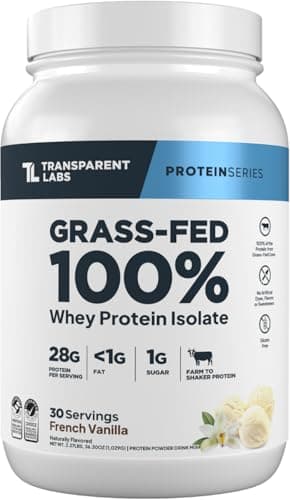
Transparent Labs — Whey Protein Isolate
$64.99 · on Amazon