The Best Supplements for Skin, Ranked by What the Research Measured
If you want one answer: hydrolyzed collagen peptides, and our pick is Vital Proteins Collagen Peptides. It is the only thing in this aisle with multiple meta-analyses measuring the outcomes people actually care about. A 2023 systematic review and meta-analysis in Nutrients pooled 26 randomized controlled trials in 1,721 patients and found hydrolyzed collagen significantly improved skin hydration (Z = 4.94, p < 0.00001) and elasticity (Z = 4.49, p < 0.00001) versus placebo. A 2021 meta-analysis in the International Journal of Dermatology pooled 19 randomized, double-blind, controlled trials in 1,125 participants aged 20 to 70 — 95% of them women — and found favorable results for hydration, elasticity and wrinkles, concluding that 90 days of hydrolyzed collagen is effective in reducing signs of skin aging. Note the 90 days, because that is the whole protocol: this is a three-month purchase, not a two-week one. Now the honesty that the category skips. Both meta-analyses carry real caveats — the Nutrients authors identified several biases in the trials they included, the International Journal of Dermatology published a formal comment specifically criticizing the heterogeneity of the studies pooled, and much of the underlying trial work in nutricosmetics is funded by ingredient manufacturers. The effect is real in the aggregate and modest in size, and it is hydration and elasticity rather than a different face. Everything else on this page is ranked below collagen for a reason you can check. Zinc is second because it is the only other ingredient here with a meta-analysis attached to a specific skin condition: a 2020 systematic review in Dermatologic Therapy found that people with acne have significantly lower serum zinc than controls, and that zinc treatment significantly improved mean inflammatory papule count, as monotherapy or as an add-on. Vitamin C is third because it is genuinely required for collagen biosynthesis — NIH is unambiguous that deficiency impairs collagen synthesis, which is how scurvy produces petechiae, poor wound healing, hyperkeratosis and corkscrew hairs — and because the correction is cheap, with the caveat that there is no good evidence a well-nourished person gets better skin from more of it. Biotin is ranked near the bottom and the hair-skin-nails gummy is ranked last, because NIH's own assessment of the biotin skin and hair claims is that they are supported, at best, by only a few case reports and small studies: the nail evidence is three small studies with no placebo group, the hair evidence is case reports in children with a rare hair-shaft disorder, and the skin evidence is case reports in infants. Before any of this: sunscreen, not smoking, and sleep do more for your skin than every product on this page combined, and none of them are sold in a bottle. This is general information and not medical advice — persistent acne, rashes, or a changing mole are a dermatologist's job, not a supplement's.
Top pick
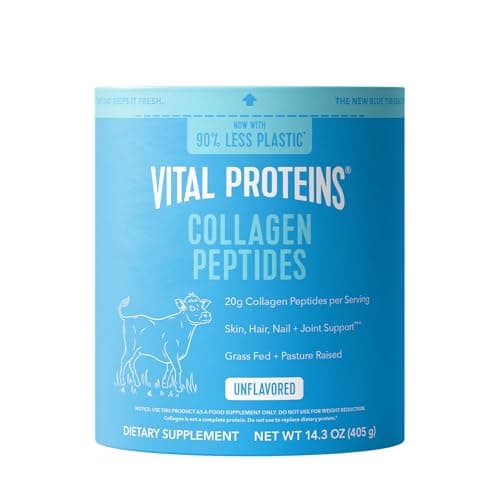
Vital Proteins — Collagen Peptides Unflavored
20g collagen per 2-scoop serving, grass-fed pasture-raised bovine, unflavored, dissolves easily

Great Lakes Wellness — Great Lakes Wellness Collagen Peptides
At a glance
Tap a row to check price · tap a header to sort| # | Best for | Price | ||
|---|---|---|---|---|
| 1 | 1. Vital Proteins — Collagen Peptides UnflavoredBest overall for skin | Best overall for skin | 8.4/10 | |
| 2 | 2. Great Lakes Wellness — Great Lakes Wellness Collagen PeptidesBest value collagen | Best value collagen | 8.1/10 | |
| 3 | 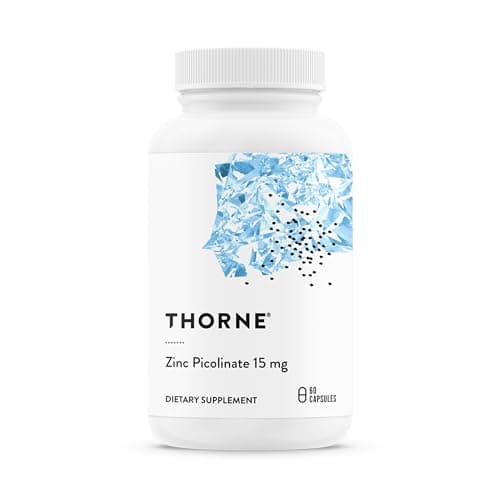 3. Thorne — Zinc Picolinate 15 mg (60 capsules)Best for acne specifically | Best for acne specifically | 8/10 | |
| 4 | 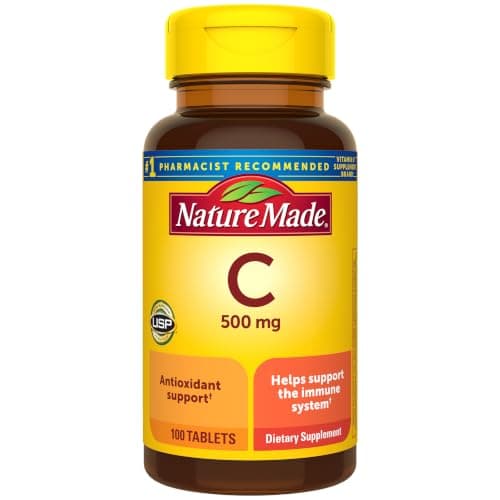 4. Nature Made — Vitamin C 500 mg Tablets (100 count)Best cheap insurance | Best cheap insurance | 7.8/10 | |
| 5 | 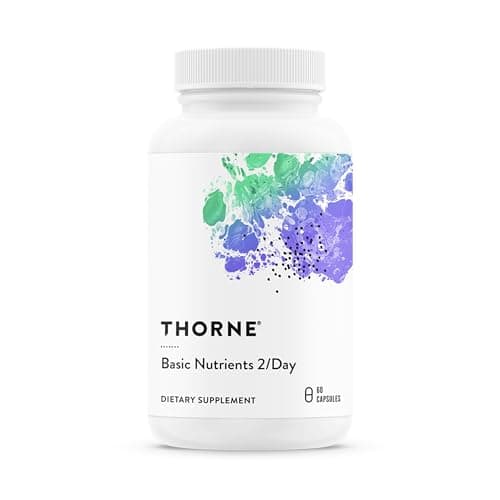 5. Thorne — Basic Nutrients 2/DayBest one-bottle option | Best one-bottle option | 7.2/10 | |
| 6 | 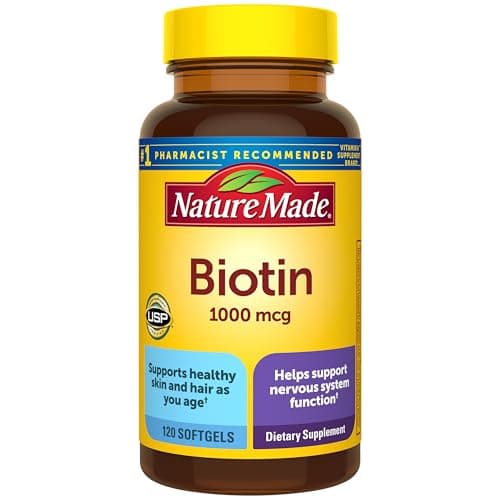 6. Nature Made — Biotin 1000 mcg (120 softgels)Best biotin | Best biotin | 6.4/10 | |
| 7 | 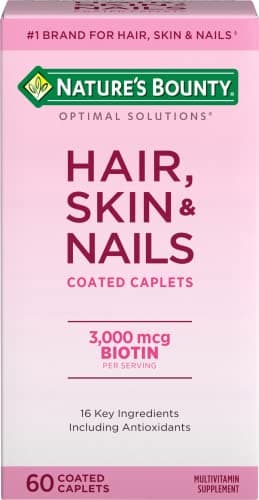 7. Nature's Bounty — Optimal Solutions Hair, Skin & Nails Formula with 3,000 mcg Biotin (20 servings)The category archetype | The category archetype | 4.6/10 |
Prices pulled from Amazon as of November 2, 2026 and are subject to change. The price shown on Amazon at checkout applies.
How we scored
Every product below is scored on six metrics, 0-10 each, with the weighting described on how we review. The criteria specific to this category:
- Did a trial measure a SKIN outcome, or just a nutrient level? This is weighted heaviest, and it is where most of the aisle fails. Instrumented skin hydration, elasticity, wrinkle depth and inflammatory lesion counts are measurable endpoints that randomized trials can and do report. 'Supports healthy skin' is not an endpoint, it is a structure-function claim that requires no outcome data at all. Hydrolyzed collagen clears this bar across 26 pooled trials; zinc clears it for inflammatory acne lesions; biotin does not clear it in anyone who is not deficient.
- Effect size and duration in plain terms. A statistically significant improvement in instrumented skin hydration is not the same thing as a visible change in the mirror, and the honest framing matters more here than in almost any other category because the before-and-after photo is the industry's primary sales tool. We state what was measured, how long it took — 90 days for the collagen trials — and we say when the honest expectation is 'modest, and you may not notice it.'
- Dose and form that match the research, plus a hard look at the upper limit. Collagen trials cluster around a daily dose of hydrolyzed peptides taken for at least three months; zinc's acne evidence sits well inside the 40 mg adult Tolerable Upper Intake Level, which matters because doses of 50 mg or more for weeks can interfere with copper absorption, reduce immune function and lower HDL cholesterol; vitamin C has a 2,000 mg UL and high doses mostly produce diarrhea and cramping. A product that pushes past a UL to look potent is ranked down, not up.
- Third-party testing and label honesty. Collagen is a protein powder, which means sourcing and heavy-metal testing are real concerns; zinc and vitamin C are commodity minerals and vitamins where the only thing you are buying is accuracy. We weight NSF Certified for Sport, Informed Sport, USP Verified and published certificates of analysis heavily, and we rank proprietary 'beauty blends' last on principle, because a blend that prints one total milligram figure across twelve ingredients has made it impossible to know whether anything in it reached a studied dose.
- Does food or a cream do it better? Often, and we say so. Vitamin C comes from fruit and vegetables and the deficiency this page cares about is rare in the United States. Zinc comes from meat, shellfish and legumes. Protein and the amino acids collagen is made of come from every complete protein you eat, and a bone-broth-rich, high-protein diet is the whole-food version of this page. More to the point, topical retinoids and daily sunscreen have a far larger and better-established effect on photoaging than anything ingestible, and no supplement here competes with either. The products below are for closing gaps and running one honest three-month experiment — not for replacing the basics.
What to know before buying
- Run collagen as a 90-day trial, and judge it on hydration and elasticity rather than on wrinkles. The 2021 International Journal of Dermatology meta-analysis concluded specifically that 90 days of hydrolyzed collagen reduces signs of skin aging, and the hydration and elasticity findings were the ones that held up in the subgroup analysis as well as the pooled one. That tells you two practical things. First, a 30-day tub is not a test — buy the three-month supply or do not bother. Second, set the expectation at skin that feels less dry and has slightly better snap-back, which is what was measured, rather than at a line disappearing. Take a photo in the same light on day one if you want any chance of judging it honestly, because the alternative is retrospective impression and that is worthless in a category this heavily marketed.
- Know who the collagen trials actually studied. The 19-trial meta-analysis covered 1,125 participants aged 20 to 70, and 95% of them were women. That is not a reason for men to skip it, but it is a reason to be straight about where the evidence comes from. The same review is clear that the nutricosmetic literature has grown fast and unevenly: the Nutrients meta-analysis identified several biases in its included trials, and the International Journal of Dermatology published a formal comment criticizing the heterogeneity of the pooled studies. Much of the underlying work is funded by the companies that sell the ingredient. None of that makes the effect fake; all of it makes a modest expectation the correct one.
- The zinc evidence is about acne, not about anti-aging, and the dose ceiling is the thing to watch. The 2020 Dermatologic Therapy review found lower serum zinc in people with acne and a significant improvement in inflammatory papule count with zinc treatment, used alone or alongside something else. That is a specific claim about a specific problem. It is not a claim that zinc smooths wrinkles or brightens anything. If acne is your reason for being on this page, zinc at a sane dose is a cheap, evidence-backed add-on to an actual acne routine — and the adult Tolerable Upper Intake Level is 40 mg a day, with 50 mg or more for weeks able to interfere with copper absorption, reduce immune function and lower HDL cholesterol. The 100 mg bottles in the aisle are not stronger medicine, they are a copper problem.
- Add up the skin nutrients you are already taking before you buy another bottle. This is the quiet failure mode of the beauty aisle: a multivitamin, a collagen powder with added vitamin C, a hair-skin-nails gummy and a standalone biotin capsule can stack to several times any sane intake of the same three or four nutrients. Multivitamins are already taken by roughly one-third of US adults and were the most commonly consumed supplement in the 2017-2018 NHANES data, and NIH notes that people who combine MVMs with other supplements and fortified foods can end up with intakes above the ULs. Read the panel on everything in your cupboard and count the totals, not the bottles. Our guide on taking several supplements at once walks through which pairs genuinely conflict.
- If you take biotin at all, take a small dose — and tell your doctor before any blood work. This is the one item on this page with a concrete, documented risk, and it has nothing to do with the skin. Supplementing biotin beyond recommended intakes can cause clinically significant falsely high or falsely low lab results depending on the test, which can lead to misdiagnosis or inappropriate treatment. Even a single 10 mg dose has interfered with thyroid function tests administered within 24 hours, and in a small study, 10 mg a day for a week produced falsely decreased thyroid stimulating hormone — which could look like thyrotoxicosis — and falsely decreased N-terminal pro-brain natriuretic peptide, which could mean a missed case of congestive heart failure. FDA advises providers to ask patients about biotin-containing supplements and to consider biotin interference when results do not match the clinical picture. The aisle standard is 10,000 mcg, which is more than 300 times the 30 mcg Daily Value. That is the reason our biotin pick here is a 1,000 mcg softgel.
- Spend the money on the basics first, because they outperform this entire page. Daily sunscreen and a topical retinoid have a far better-established effect on photoaging than any oral supplement, and stopping smoking does more than both. Sleep belongs on that list too — it is treated as a performance pillar on the rest of this site for a reason, and chronic short sleep shows up in your face before it shows up anywhere else. Eat the protein, eat the fruit and vegetables, wear the sunscreen, sleep. Then, if you want to run one experiment, run the collagen one for 90 days. And see a dermatologist for persistent acne, a rash that will not settle, or any mole that changes — none of that is a supplement problem.
Our picks
Vital Proteins — Collagen Peptides Unflavored
Key specs: 20g collagen per 2-scoop serving, grass-fed pasture-raised bovine, unflavored, dissolves easily
Pros
- The ingredient class with the strongest evidence here: 26 pooled randomized trials in 1,721 patients found significant improvements in skin hydration (p < 0.00001) and elasticity (p < 0.00001) versus placebo
- A second meta-analysis of 19 randomized, double-blind, controlled trials in 1,125 participants found favorable results for hydration, elasticity and wrinkles, and concluded 90 days is effective
- Unflavored and genuinely soluble, which is the practical requirement for finishing a three-month trial
- Also a 20 g hit of protein per serving, so it is not a dead calorie even if the skin effect underwhelms you
Cons
- The meta-analyses carry real caveats — identified biases in the included trials, a published comment criticizing their heterogeneity, and a literature heavily funded by ingredient manufacturers
- The studied populations were overwhelmingly women (95% of the 1,125 participants in the 19-trial review)
- Collagen is not a complete protein and is a poor choice as your main protein source — treat it as an addition, not a substitute for whey or food
- Among the more expensive collagen powders per serving
Who this one is for
For anyone willing to run one honest 90-day experiment on skin hydration and elasticity. Unflavored and highly soluble matters more than it sounds, because the trials ran for three months and the supplement you actually finish is the one that disappears into coffee. Skip it if you want wrinkle removal — that is not what the trials measured.
Vital Proteins — Collagen Peptides Unflavored
- Skin-outcome evidence9/10
- Dose & duration match9/10
- Testing & transparency8/10
- Value6/10
- Label honesty8/10
Great Lakes Wellness — Great Lakes Wellness Collagen Peptides
Key specs: 11g collagen per scoop, grass-fed Brazilian bovine, Kosher certified, unflavored
Pros
- Same ingredient the meta-analyses pooled, at a materially lower cost per gram — which is what determines whether a 90-day trial happens
- Bulk-friendly tub sizing, so the three-month commitment is one purchase rather than three
- Clean single-ingredient label with Kosher certification
Cons
- 11 g per scoop means two scoops to reach the dose range most trials used — read the serving, not the tub
- Less third-party testing documentation than the premium brands in this category
- No flavored option if you dislike plain collagen in coffee
Who this one is for
For the person who read the 90-day requirement and did the arithmetic. The trials tested hydrolyzed collagen, not a brand, so the cheapest hydrolyzed collagen you will actually take for three months is the rational purchase. Check the scoop, though: at 11 g per scoop you need two to land where most trials sat.
Great Lakes Wellness — Great Lakes Wellness Collagen Peptides
- Skin-outcome evidence9/10
- Dose & duration match8/10
- Testing & transparency6/10
- Value9/10
- Label honesty8/10
Thorne — Zinc Picolinate 15 mg (60 capsules)
Key specs: 15mg zinc as picolinate, 60 capsules, NSF Certified for Sport, single-ingredient label
Pros
- A 2020 systematic review and meta-analysis found people with acne have significantly lower serum zinc than controls, and that zinc treatment significantly improved mean inflammatory papule count as monotherapy or as an adjunct
- The same review found no significant difference in side-effect incidence between zinc and comparators
- 15 mg is a dose that respects the 40 mg adult upper limit, so it is safe to take continuously rather than in bursts
- NSF Certified for Sport — third-party verification on a commodity mineral where accuracy is the only thing you are buying
Cons
- This is acne evidence, not anti-aging evidence — it says nothing about wrinkles, hydration or elasticity
- Zinc on an empty stomach causes nausea in a lot of people; take it with food
- Most expensive per capsule of any zinc here, for a nutrient that costs almost nothing
- Doses of 50 mg or more taken for weeks can interfere with copper absorption, reduce immune function and lower HDL — so do not stack this with a 50 mg bottle
Who this one is for
For anyone whose reason for being on this page is inflammatory acne rather than aging, and who wants an add-on to a real acne routine instead of a replacement for one. 15 mg is deliberately modest: it sits far inside the 40 mg ceiling, which is where you want to be if you are taking it daily for months.
Thorne — Zinc Picolinate 15 mg (60 capsules)
- Skin-outcome evidence8/10
- Dose & duration match9/10
- Testing & transparency10/10
- Value5/10
- Label honesty9/10
Nature Made — Vitamin C 500 mg Tablets (100 count)
Key specs: 500mg vitamin C per tablet, 100 tablets, USP Verified, single-ingredient
Pros
- Vitamin C is required for the biosynthesis of collagen — this is physiology, not marketing, and NIH states that a lack of it impairs collagen synthesis and weakens connective tissue
- The deficiency picture is a skin picture: scurvy produces petechiae, ecchymoses, purpura, poor wound healing, hyperkeratosis and corkscrew hairs, and signs can appear within a month of intakes below about 10 mg a day
- USP Verified at a few cents a tablet — the cheapest defensible item on this page
- 500 mg is a sensible single dose, well under the 2,000 mg upper limit
Cons
- Deficiency is rare in the United States, so for most people this is insurance rather than an effect
- No evidence that extra oral vitamin C improves skin in someone who is already replete — topical vitamin C is a separate product with a separate evidence base
- High doses cause diarrhea, nausea and abdominal cramps; more is not better here
- A plain tablet, not a bioflavonoid or buffered formulation, if your stomach is sensitive
Who this one is for
For anyone whose fruit and vegetable intake is thin, or who is taking collagen and wants the cofactor covered. Buy it for the mechanism and the price, not for a promised glow — there is no good evidence that a well-nourished person gets better skin from extra vitamin C.
Nature Made — Vitamin C 500 mg Tablets (100 count)
- Skin-outcome evidence6/10
- Dose & duration match8/10
- Testing & transparency9/10
- Value10/10
- Label honesty9/10
Thorne — Basic Nutrients 2/Day
Key specs: Two-capsule daily serving, broad-spectrum vitamins and minerals, NSF-certified facility, published COAs
Pros
- Solves the stacking problem this category creates: one panel to read instead of four, which is how you avoid ending up over a UL on zinc or biotin without noticing
- Multivitamins are the most commonly consumed supplement in the US — taken in the past 30 days by 24.0% of adults age 20-39 and 29.8% of those 40-59 in the 2017-2018 NHANES data — and this is the version with real testing behind it
- Doses sit at or near recommended intakes rather than the megadoses the beauty aisle favors
- Published certificates of analysis and NSF-certified manufacturing
Cons
- A multivitamin is explicitly insurance, not an effect — no meta-analysis says a multivitamin improves skin
- Two capsules a day, which some people will not keep up
- Premium price for nutrients that are individually cheap
- If your diet is already varied and adequate, this is probably buying you nothing
Who this one is for
For the person who was about to buy a biotin capsule, a zinc capsule, a vitamin C bottle and a hair-skin-nails gummy. A clinical-grade multivitamin covers the same nutrients at doses that respect the upper limits, in one product you can actually read. It is insurance against gaps, not a skin treatment.
Thorne — Basic Nutrients 2/Day
- Skin-outcome evidence4/10
- Dose & duration match9/10
- Testing & transparency10/10
- Value6/10
- Label honesty9/10
Nature Made — Biotin 1000 mcg (120 softgels)
Key specs: 1,000mcg biotin per softgel, 120 softgels, USP Verified, single-ingredient
Pros
- The most restrained dose in the category — the biotin Daily Value is 30 mcg, so even this is well above requirement
- USP Verified from a mainstream brand, which is the one thing you can actually verify about a biotin capsule
- True biotin deficiency does cause thinning hair, scaly red rash around the eyes, nose and mouth, and brittle nails — so if you are genuinely deficient, correction is real
- Cheap enough that the opportunity cost of being wrong is small
Cons
- NIH's assessment of the hair, skin and nail claims is that they are supported, at best, by only a few case reports and small studies — the nail evidence is three small studies with no placebo group, the hair evidence is case reports in children with a rare hair-shaft disorder, and the skin evidence is case reports in infants
- Documented lab-test interference: supplementing above recommended intakes can cause clinically significant falsely high or low results, and even a single 10 mg dose has skewed thyroid function tests taken within 24 hours
- Biotin deficiency is rare in people eating a normal diet, which makes the correction argument inapplicable to most buyers
- Does nothing measured for skin hydration, elasticity or wrinkles in anyone who is not deficient
Who this one is for
For the reader who has decided on biotin regardless of what the evidence says. If that is you, this is the dose to take: 1,000 mcg from a USP-verified mainstream brand, rather than the 10,000 mcg standard the aisle has settled on for no stated reason. Tell your doctor you take it before any blood work.
Nature Made — Biotin 1000 mcg (120 softgels)
- Skin-outcome evidence3/10
- Dose & duration match8/10
- Testing & transparency9/10
- Value9/10
- Label honesty8/10
Nature's Bounty — Optimal Solutions Hair, Skin & Nails Formula with 3,000 mcg Biotin (20 servings)
Key specs: 3,000mcg biotin plus vitamin C and E and a collagen-marketed blend, 20 servings per bottle
Pros
- Cheap, ubiquitous and genuinely contains vitamin C and E alongside the biotin
- Convenient one-product format for someone who will not take three separate capsules
Cons
- Built around biotin at 3,000 mcg — 100 times the 30 mcg Daily Value — for claims NIH says are supported at best by a few case reports and small studies
- A 20-serving bottle is a 20-day supply, which cannot deliver the 90-day duration the collagen evidence actually requires
- Blend framing makes it impossible to tell whether any single ingredient reached a studied dose
- Carries the same biotin lab-interference problem as a standalone biotin capsule, with less reason to take it
- Lowest score on this page on skin-outcome evidence, which is the criterion that matters most here
Who this one is for
Honestly, nobody who has read this far. It is on the page because it is the product most people reach for when they search for a skin supplement, and the ranking only means something if the default is in it. If you own a bottle, finish it and do not replace it — put the money into collagen for 90 days or into sunscreen.
Nature's Bounty — Optimal Solutions Hair, Skin & Nails Formula with 3,000 mcg Biotin (20 servings)
- Skin-outcome evidence2/10
- Dose & duration match3/10
- Testing & transparency5/10
- Value6/10
- Label honesty3/10
Frequently asked questions
Hydrolyzed collagen peptides, on the evidence. It is the only ingredient class in this aisle with multiple meta-analyses measuring skin outcomes: a 2023 review in Nutrients pooled 26 randomized controlled trials in 1,721 patients and found significant improvements in skin hydration (p < 0.00001) and elasticity (p < 0.00001) versus placebo, and a 2021 review in the International Journal of Dermatology pooled 19 randomized, double-blind, controlled trials in 1,125 participants and concluded that 90 days of supplementation is effective in reducing signs of skin aging, with favorable results for hydration, elasticity and wrinkles. Two honest caveats: both reviews flag quality problems in the trials they pooled — identified biases in one case, and a published comment criticizing heterogeneity in the other — and much of the nutricosmetic literature is funded by ingredient manufacturers. Expect modest improvements in how your skin feels and behaves over three months, not a different face. And no supplement competes with daily sunscreen or a topical retinoid for photoaging.
Related reading
- → Can you take multiple supplements at once? (which pairs actually conflict)
- → Is collagen worth it?
- → How to read a supplement label
- → Are gummy vitamins as good as pills?
- → Greens powder vs multivitamin
- → Best collagen peptides (every collagen powder we scored)
- → Best vitamin C supplements
- → Best zinc supplements
- → Best biotin supplements (and why the 10,000 mcg standard exists)
- → Best hair growth supplements
- → Best multivitamins
- → Best fish oil supplements
Sources
- Effects of Oral Collagen for Skin Anti-Aging: A Systematic Review and Meta-Analysis (26 randomized controlled trials in 1,721 patients; hydrolyzed collagen significantly improved skin hydration, test for overall effect Z = 4.94, p < 0.00001, and elasticity, Z = 4.49, p < 0.00001, versus placebo; subgroup analyses found the hydration effect varied by collagen source and duration of supplementation; the authors identified several biases in the included trials) — Nutrients, 2023
- Effects of hydrolyzed collagen supplementation on skin aging: a systematic review and meta-analysis (de Miranda RB, Weimer P, Rossi RC — 19 randomized, double-blind, controlled trials, 1,125 participants aged 20-70, 95% women; favorable results versus placebo for skin hydration, elasticity and wrinkles, with hydration and elasticity confirmed in subgroup meta-analysis; conclusion that ingestion of hydrolyzed collagen for 90 days is effective in reducing skin aging) — International Journal of Dermatology, 2021
- Concerning the heterogeneity of the studies included in meta-analyses. Comment on: "Effects of hydrolyzed collagen supplementation on skin aging: a systematic review and meta-analysis" (a published critique of the heterogeneity of the trials pooled in the 2021 meta-analysis above — cited here so the caveat is on the page rather than omitted) — International Journal of Dermatology, 2022
- Serum zinc levels and efficacy of zinc treatment in acne vulgaris: A systematic review and meta-analysis (subjects with acne had significantly lower serum zinc levels than controls; patients treated with zinc had a significant improvement in mean inflammatory papule count compared with those who were not, as monotherapy or as an adjunctive treatment; no significant difference in side-effect incidence versus comparators) — Dermatologic Therapy, 2020
- Biotin — Fact Sheet for Health Professionals (hair, nail and skin claims are supported, at best, by only a few case reports and small studies; the brittle-nail evidence is three small studies with no placebo group that did not report baseline biotin status; hair evidence is case reports in children with uncombable hair syndrome; skin evidence is case reports in infants; the Daily Value is 30 mcg; deficiency signs include thinning hair, scaly red rash around body openings and brittle nails; supplementing beyond recommended intakes can cause clinically significant falsely high or low lab results, with a single 10 mg dose interfering with thyroid function tests within 24 hours and 10 mg/day for a week producing falsely decreased TSH and NT-proBNP; FDA advises providers to consider biotin interference) — NIH Office of Dietary Supplements
- Vitamin C — Fact Sheet for Health Professionals (vitamin C is required for the biosynthesis of collagen, an essential component of connective tissue with a vital role in wound healing; deficiency impairs collagen synthesis and weakens connective tissues, producing petechiae, ecchymoses, purpura, joint pain, poor wound healing, hyperkeratosis and corkscrew hairs; signs of scurvy can appear within about a month of intakes below roughly 10 mg/day; the Tolerable Upper Intake Level is 2,000 mg for adults and high doses cause diarrhea, nausea and abdominal cramps) — NIH Office of Dietary Supplements
- Zinc — Fact Sheet for Health Professionals (zinc is required for the catalytic activity of hundreds of enzymes and plays a role in wound healing, protein and DNA synthesis and cell division; the Tolerable Upper Intake Level is 40 mg for adults; doses of 50 mg or more over a period of weeks can inhibit copper absorption, reduce immune function and lower HDL cholesterol; ULs are based on the levels of zinc that have an adverse effect on copper status) — NIH Office of Dietary Supplements
- Multivitamin/Mineral Supplements — Fact Sheet for Health Professionals (MVMs are taken by an estimated one-third of all adults in the United States; the 2017-2018 NHANES analysis found MVMs were the most commonly consumed supplement, taken in the past 30 days by 24.0% of adults age 20-39 and 29.8% of those age 40-59; individuals who take MVMs alongside other supplements and fortified foods and beverages might obtain some nutrients in amounts exceeding the ULs) — NIH Office of Dietary Supplements
- Product titles, doses, counts, certifications, live prices and availability for every product on this page — retrieved via the Amazon product data layer — Amazon product listing data, 2026
Last verified: November 3, 2026. See our editorial policy and how we review for details on scoring and update cadence. Canonical URL: https://trustedhealthgear.com/reviews/best-supplements-for-skin.
Vital Proteins — Collagen Peptides Unflavored
$24.99 · on Amazon