Can You Take Multiple Supplements at Once?
Mostly yes, and the things people worry about are rarely the things that matter. Very few supplement pairs are dangerous together. What actually goes wrong is quieter and more common: you stack the same nutrient across four products until the total passes an upper limit nobody printed on any single label, or you take two minerals in the same mouthful that compete for the same absorption pathway and quietly cancel part of each other out. NIH says this plainly — individuals who take multivitamins alongside other supplements and fortified foods and beverages might obtain some nutrients in amounts exceeding the Tolerable Upper Intake Levels, and some multivitamin products themselves contain amounts of certain vitamins and minerals substantially higher than the Daily Value, RDA or Adequate Intake, and in some cases higher than the established UL. Given that multivitamins are taken by roughly one-third of US adults and were the single most commonly consumed supplement in the 2017-2018 NHANES data, that is the default situation rather than an edge case. The mineral competitions worth knowing are short and specific. Calcium might interfere with iron absorption, which is why experts suggest taking individual calcium and iron supplements at different times of day. Iron supplements containing 25 mg or more can reduce zinc absorption and plasma zinc concentrations. Zinc at 50 mg or more taken over weeks can inhibit copper absorption, reduce immune function and lower HDL cholesterol. And calcium absorbs best in doses of 500 mg or less — about 36% of a 300 mg dose is absorbed, and the percentage falls as the amount at one time rises — so a single 1,000 mg tablet is partly wasted whatever else you took with it. The genuinely important interactions, though, are not between supplements at all: they are between a supplement and a prescription. Calcium carbonate interferes with levothyroxine badly enough that the FDA-approved label tells patients not to take them within four hours of each other; iron does the same thing to levothyroxine and to levodopa; calcium reduces absorption of quinolone antibiotics unless separated by two hours, and of dolutegravir unless separated by two hours before or six hours after; and St John's wort, per NCCIH, weakens many prescription medicines including birth control pills, cyclosporine, digoxin, oxycodone, warfarin and some HIV and cancer drugs. The practical rules come out of that: count totals rather than bottles, separate competing minerals by a few hours, respect the upper limits, and tell your prescriber and your pharmacist everything you take. This is general information, not medical advice.
Affiliate disclosure: Trusted Health Gear is an Amazon Associate. If you buy through links on this page, we may earn a commission at no extra cost to you. Commission does not influence our rankings. Full policy.
The real risk is dose stacking, not dangerous combinations
Start here, because it reframes the question. When people ask whether they can take several supplements at once, they are usually imagining a chemical conflict. The far more common failure is arithmetic. Consider a routine that is not unusual: a multivitamin in the morning, a zinc capsule for immune support, a hair-skin-nails formula, and a separate vitamin C. Three of those four contain zinc and vitamin C, and nothing on any individual label tells you the combined total. NIH's multivitamin fact sheet states the problem directly: individuals who take MVMs and other supplements and who consume fortified foods and beverages might obtain some nutrients in amounts exceeding the ULs. It also notes that while basic multivitamins keep most nutrients at or near the Daily Values, some products contain amounts substantially higher than the DV, RDA or AI — and in some cases higher than the established Tolerable Upper Intake Level — and that manufacturers sometimes sell these as packs of two or more pills to be taken daily. The numbers worth memorizing for a supplement cupboard are few: 40 mg a day for zinc, 2,000 mg for vitamin C, 350 mg for supplemental magnesium, 4,000 IU for vitamin D, and 2,000-2,500 mg for calcium depending on age. Write those five on the inside of the cabinet door, then do the addition across every panel you own. Fortified foods count too — a bowl of fortified cereal and a fortified drink can move a total more than people expect. The practical habit: when you add a new bottle, read the panels of everything you already take and total the overlapping nutrients. It takes five minutes once and it is the single highest-value thing on this page.
The mineral competitions that are actually real
Four, and they are specific enough to act on. CALCIUM AND IRON: calcium might interfere with the absorption of iron, and although NIH notes this effect has not been definitively established, experts suggest that people take individual calcium and iron supplements at different times of the day. If you take both, put one at breakfast and the other at dinner. IRON AND ZINC: supplements containing 25 mg of iron or more can reduce zinc absorption and plasma zinc concentrations — which matters because a standard iron supplement is often 65 mg of elemental iron, comfortably past that threshold. Separate them. ZINC AND COPPER: doses of 50 mg of zinc or more, if used for weeks, can interfere with copper absorption and cause low copper status, reduce immune function and lower HDL cholesterol. The adult UL of 40 mg exists precisely because that is where zinc starts harming copper status, so the 50 mg and 100 mg bottles on the shelf are not a stronger version of the same thing — they are the dose the limit was written about. CALCIUM AND ITSELF: absorption from supplements is highest at doses of 500 mg or less, and the percentage absorbed falls as the single dose rises — about 36% of a 300 mg dose is absorbed. So 1,000 mg of calcium is better taken as two 500 mg doses at different meals than as one tablet, regardless of what else is in the routine. The one pairing that works in your favor is worth stating too: vitamin C enhances the bioavailability of nonheme iron, which is why plant-based iron is better absorbed alongside it. NIH puts iron bioavailability at roughly 14-18% from mixed diets including meat, seafood and vitamin C, against 5-12% from vegetarian diets. If you take a plant-based iron supplement, taking it with vitamin C is a free upgrade.
Supplement-and-prescription is where the actual danger lives
If you take prescription medication, this is the section that matters and the supplement-versus-supplement question is a sideshow. THYROID MEDICATION is the most commonly affected: calcium carbonate supplements interfere with the absorption of levothyroxine, and the FDA-approved label instructs patients taking calcium carbonate to avoid taking levothyroxine within four hours of the supplement. Iron does the same thing — simultaneous ingestion of iron and levothyroxine can produce clinically significant reductions in levothyroxine efficacy in some patients, and the labels for some products carry that warning. ANTIBIOTICS: simultaneous use of calcium supplements and quinolone antibiotics such as ciprofloxacin, gemifloxacin and moxifloxacin reduces absorption of the antibiotic, and taking the antibiotic two hours before or two hours after the calcium prevents the effect. HIV MEDICATION: concomitant calcium and dolutegravir can reduce blood levels of dolutegravir substantially through chelation, and the FDA-approved labels advise taking dolutegravir two hours before or six hours after calcium supplements. PARKINSON'S MEDICATION: iron supplements reduce the absorption of levodopa, possibly through chelation, and US levodopa labels warn that iron-containing supplements might diminish its clinical effectiveness. LITHIUM: long-term lithium use can lead to hypercalcemia, and taking calcium supplements alongside it could increase that risk. And the single worst offender in the whole category is a botanical rather than a mineral: NCCIH states that St John's wort can weaken many prescription medicines, naming antidepressants, birth control pills, cyclosporine, digoxin, oxycodone, some HIV drugs including indinavir, some cancer medications including irinotecan, and warfarin — and that combining it with certain antidepressants can cause a potentially life-threatening increase in serotonin, with symptoms appearing within minutes to hours. Tell your prescriber and your pharmacist everything you take, including things you think of as food.
Timing: what to separate, what to take together, what doesn't matter
Three tiers. SEPARATE BY A FEW HOURS: calcium and iron; iron and zinc at 25 mg or more of iron; calcium and levothyroxine by four hours; calcium and a quinolone antibiotic by two hours; calcium and dolutegravir by two hours before or six hours after. Also split a calcium dose above 500 mg across two meals, because the absorption percentage falls as the single dose rises. TAKE TOGETHER DELIBERATELY: fat-soluble vitamins — A, D, E and K — with the largest meal of the day, because absorption improves substantially with dietary fat and taking them on an empty stomach is the most common self-inflicted dosing error; plant-based iron with vitamin C, which enhances nonheme iron bioavailability; and zinc with food, since zinc on an empty stomach causes nausea in a lot of people. DOESN'T MATTER AS MUCH AS PEOPLE THINK: most water-soluble vitamins, and most of the timing debates in the supplement aisle generally. Whether your B-complex goes down at 7 a.m. or 7 p.m. is not where your results are coming from. Creatine timing is irrelevant and the daily total is what matters, which is one of the more settled findings in sports nutrition. Protein timing is similarly oversold against total daily intake. And the honest overall framing: adherence beats optimization. A routine simple enough that you actually take it every day will outperform a perfectly sequenced four-time-a-day schedule you abandon in three weeks. If separating two things means you will stop taking one of them, take them together and accept the partial absorption — then ask whether you needed both.
Signs you're taking too many, and the ones that hide
Most of the overshoot in this category announces itself gastrointestinally, which makes it easy to misattribute. Loose stools and cramping from too much magnesium — high supplemental doses cause diarrhea, nausea and abdominal cramping, which is also why the supplemental UL of 350 mg exists separately from the food RDA. Diarrhea, nausea and abdominal cramps from too much vitamin C, above the 2,000 mg upper limit. Nausea, dizziness, headaches, gastric distress, vomiting and loss of appetite from too much zinc. Gastric upset, constipation, nausea, abdominal pain and vomiting from high-dose iron. If you added three bottles in a month and your digestion changed, the bottles are the first suspect, not the last. Two problems hide instead. The first is zinc-induced copper depletion, which develops over weeks at 50 mg or more and produces nothing you would notice early — the harm shows up as low copper status, reduced immune function and lower HDL rather than as a symptom. The second is biotin's interference with laboratory testing, which is not a health effect at all but a diagnostic one: supplementing beyond recommended intakes can cause clinically significant falsely high or falsely low results depending on the test, and even a single 10 mg dose has interfered with thyroid function tests administered within 24 hours. In a small study, 10 mg a day for a week produced falsely decreased thyroid stimulating hormone — which could lead to a misdiagnosis of thyrotoxicosis — and falsely decreased N-terminal pro-brain natriuretic peptide, which could mean a failure to identify congestive heart failure. FDA advises providers to ask patients about biotin supplements and to consider biotin interference when results do not match the clinical picture. The aisle standard for biotin is 10,000 mcg against a 30 mcg Daily Value. Tell whoever draws your blood.
What we'd keep after the audit
Every pick below is already reviewed and scored in our roundups — same products, same specs, with live Amazon prices.
| Attribute | Thorne Basic Nutrients 2/DayOur pick | Thorne Basic Nutrients Magnesium Bisglycinate | Thorne Zinc Picolinate 15 mg (60 capsules) | Nature Made Vitamin C 500 mg Tablets (100 count) |
|---|---|---|---|---|
| Best for | Best overall — clinical-grade formulation | Overall pick — third-party testing + clinical-grade transparency | Best overall — third-party certified at a dose that respects the ceiling | Best value — the $6 bottle that does the same physiological job |
| Who it's for | The direct fix for the stacking problem: one panel to read instead of five, with doses that sit at or near recommended intakes rather than the megadoses that push totals past a UL. This is the pick if your audit turned up four bottles overlapping on zinc and vitamin C — consolidating into one tested product is both cheaper and easier to reason about. | If magnesium survives your audit, this is the form and dose to keep: 135 mg of elemental magnesium as bisglycinate, which leaves room under the 350 mg supplemental ceiling even at two capsules. Glycinate rather than oxide matters for tolerability, and the GI symptoms of overshooting magnesium are the most common way people discover they were taking too much. | The zinc dose that will not create a copper problem: 15 mg, well inside the 40 mg adult upper limit, which is the number to respect because doses of 50 mg or more taken for weeks can inhibit copper absorption, reduce immune function and lower HDL. If your current bottle says 50 mg or 100 mg, this is the swap — and take it with food. | A single-ingredient, USP Verified 500 mg tablet, which is what you want when the goal is knowing your total. It is also the one supplement on this list worth deliberately pairing with another: vitamin C enhances the bioavailability of nonheme iron, so it is a free upgrade alongside a plant-based iron supplement. |
| Key specs | 2-capsule daily serving, methylfolate + methylcobalamin + MK-4 K2, NSF Certified for Sport | 135mg elemental magnesium bisglycinate, 60 capsules, NSF-certified facility | Zinc picolinate 15 mg, capsule, 60 servings, third-party certified, gluten/dairy/soy-free | Vitamin C 500 mg per tablet, 100 tablets, 100-day supply, no artificial flavors, no added color, no preservatives, gluten free |
| Our score | 9.2/10 | 8.7/10 | 8.3/10 | 8.1/10 |
| Where to buy |
Prices pulled from Amazon as of November 2, 2026 and are subject to change. The price shown on Amazon at checkout applies.
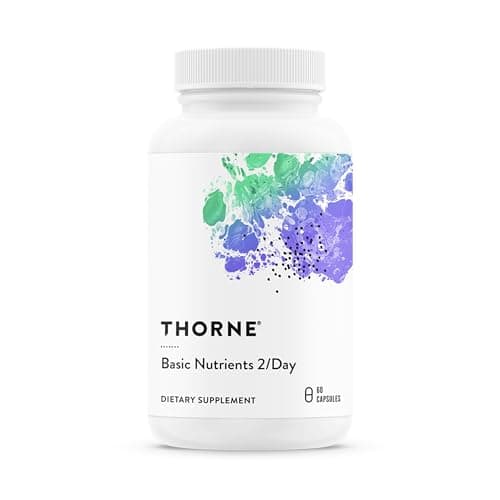
Thorne — Basic Nutrients 2/Day
The direct fix for the stacking problem: one panel to read instead of five, with doses that sit at or near recommended intakes rather than the megadoses that push totals past a UL. This is the pick if your audit turned up four bottles overlapping on zinc and vitamin C — consolidating into one tested product is both cheaper and easier to reason about.

Thorne — Basic Nutrients Magnesium Bisglycinate
If magnesium survives your audit, this is the form and dose to keep: 135 mg of elemental magnesium as bisglycinate, which leaves room under the 350 mg supplemental ceiling even at two capsules. Glycinate rather than oxide matters for tolerability, and the GI symptoms of overshooting magnesium are the most common way people discover they were taking too much.
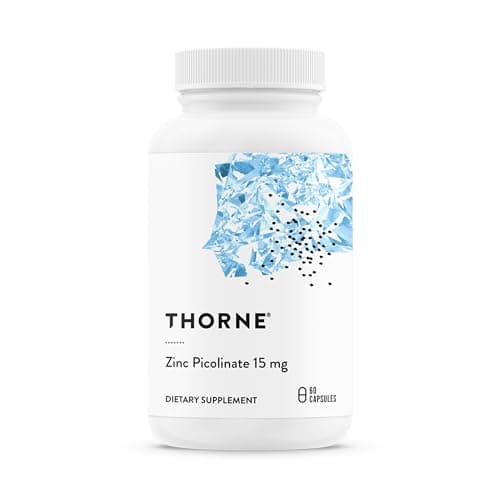
Thorne — Zinc Picolinate 15 mg (60 capsules)
The zinc dose that will not create a copper problem: 15 mg, well inside the 40 mg adult upper limit, which is the number to respect because doses of 50 mg or more taken for weeks can inhibit copper absorption, reduce immune function and lower HDL. If your current bottle says 50 mg or 100 mg, this is the swap — and take it with food.
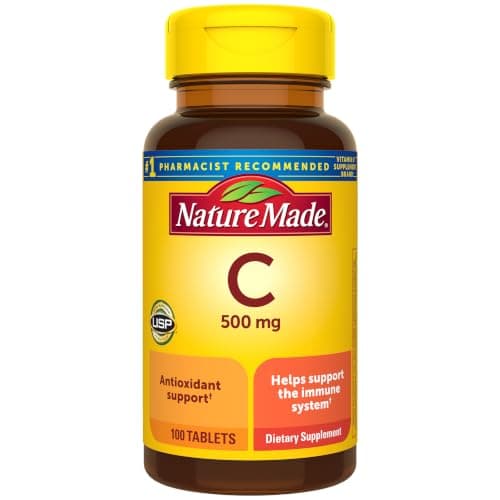
Nature Made — Vitamin C 500 mg Tablets (100 count)
A single-ingredient, USP Verified 500 mg tablet, which is what you want when the goal is knowing your total. It is also the one supplement on this list worth deliberately pairing with another: vitamin C enhances the bioavailability of nonheme iron, so it is a free upgrade alongside a plant-based iron supplement.
How to audit a supplement cupboard in fifteen minutes
Five steps, done once, and then repeated whenever you add something. ONE: lay everything out and write down every nutrient and its amount from each Supplement Facts panel, including the multivitamin and anything flavored or gummy. Include fortified foods you eat daily. TWO: total the overlaps. The ones that overlap most often are zinc, vitamin C, vitamin D, biotin, magnesium, iron and calcium. THREE: check the totals against the five limits — zinc 40 mg, vitamin C 2,000 mg, supplemental magnesium 350 mg, vitamin D 4,000 IU, calcium 2,000-2,500 mg by age — and cut whatever is over, starting with the product that has the weakest reason to exist. FOUR: for everything that survives, ask what it is for and how you would know if it stopped working. Anything you cannot answer that question about is a candidate for removal, because a supplement with no endpoint is a subscription rather than an intervention. FIVE: write the surviving list on your phone and show it to your prescriber and your pharmacist — they are the only two people who can check it against your medications, and the pharmacist check is free. If the list is long, consider replacing three single-nutrient bottles with one well-tested multivitamin: it solves the stacking problem by putting the whole total on one panel you can read. And keep the frame right — this site's position is whole foods first, with supplements filling the gaps in a real diet rather than substituting for one. A cupboard with twelve bottles in it is usually a sign that the diet, the sleep or the training needs the attention, not that the eleventh bottle was missing. This is general information and not medical advice; if you are pregnant, breastfeeding, managing a medical condition or taking prescription medication, review your full list with a clinician before changing it.
Frequently asked questions
Usually yes. Very few supplement pairs are dangerous together, and the real problems are different from the ones people expect. The first is dose stacking: NIH notes that people who take multivitamins alongside other supplements and fortified foods might obtain some nutrients in amounts exceeding the Tolerable Upper Intake Levels, and that some multivitamin products themselves contain amounts substantially higher than the Daily Value, RDA or AI — in some cases higher than the UL. The five numbers to total across every label are zinc 40 mg, vitamin C 2,000 mg, supplemental magnesium 350 mg, vitamin D 4,000 IU, and calcium 2,000-2,500 mg depending on age. The second is mineral competition: calcium might interfere with iron absorption so experts suggest taking them at different times of day; iron supplements of 25 mg or more can reduce zinc absorption; and zinc at 50 mg or more for weeks can inhibit copper absorption. The third, and the one that actually carries risk, is supplement-with-prescription — calcium and iron both interfere with levothyroxine, and St John's wort weakens many prescription medicines outright.
Related reading
- → Best multivitamins, scored on a public rubric
- → How to read a supplement label
- → Can you take magnesium and vitamin D together?
- → Can you take too much vitamin D?
- → Are gummy vitamins as good as pills?
- → How to stack supplements for sleep
- → Best supplements for skin
- → Best zinc supplements
- → Best magnesium supplements
Sources
- Multivitamin/Mineral Supplements — Fact Sheet for Health Professionals (MVMs taken by an estimated one-third of all US adults and the most commonly consumed supplement in the 2017-2018 NHANES analysis, used in the past 30 days by 24.0% of adults age 20-39 and 29.8% of those 40-59; some MVMs contain amounts of vitamins and minerals substantially higher than the DV, RDA or AI and in some cases higher than the established UL, and are sometimes sold as multi-pill daily packs; individuals who take MVMs and other supplements and who consume fortified foods and beverages might obtain some nutrients in amounts exceeding the ULs) — NIH Office of Dietary Supplements
- Iron — Fact Sheet for Health Professionals (calcium might interfere with the absorption of iron, and experts suggest people take individual calcium and iron supplements at different times of the day; supplements containing 25 mg iron or more can reduce zinc absorption and plasma zinc concentrations; high-dose iron causes gastric upset, constipation, nausea, abdominal pain, vomiting and diarrhea; simultaneous ingestion of iron and levothyroxine can cause clinically significant reductions in levothyroxine efficacy; iron supplements reduce absorption of levodopa, possibly through chelation; proton pump inhibitors can reduce iron absorption; iron bioavailability is roughly 14-18% from mixed diets including meat, seafood and vitamin C versus 5-12% from vegetarian diets, with vitamin C enhancing nonheme iron bioavailability) — NIH Office of Dietary Supplements
- Calcium — Fact Sheet for Health Professionals (absorption from supplements is highest with doses of 500 mg or less and the percentage absorbed decreases as the amount taken at one time increases, with about 36% of a 300 mg dose absorbed; the UL ranges from 2,000 to 2,500 mg for adults; calcium carbonate interferes with levothyroxine absorption and the FDA-approved label instructs patients to avoid taking levothyroxine within 4 hours of the supplement; simultaneous calcium and quinolone antibiotics such as ciprofloxacin, gemifloxacin and moxifloxacin reduce quinolone absorption, prevented by a 2-hour gap; calcium and dolutegravir can substantially reduce dolutegravir blood levels through chelation, with labels advising 2 hours before or 6 hours after; long-term lithium use can lead to hypercalcemia and calcium supplements could increase that risk) — NIH Office of Dietary Supplements
- Zinc — Fact Sheet for Health Professionals (the Tolerable Upper Intake Level is 40 mg for adults; doses of 50 mg of zinc or more over a period of weeks can inhibit copper absorption, reduce immune function and lower HDL cholesterol; the ULs are based on the levels of zinc that have an adverse effect on copper status; excessive zinc causes nausea, dizziness, headaches, gastric distress, vomiting and loss of appetite) — NIH Office of Dietary Supplements
- Biotin — Fact Sheet for Health Professionals (the Daily Value is 30 mcg; supplementing beyond recommended intakes can cause clinically significant falsely high or falsely low laboratory test results depending on the test, which may lead to inappropriate patient management or misdiagnosis; even a single 10 mg dose has interfered with thyroid function tests administered within 24 hours; in a small study, 10 mg/day for one week produced falsely decreased thyroid stimulating hormone and falsely decreased N-terminal pro-brain natriuretic peptide; FDA advises providers to ask patients about biotin-containing supplements and to consider biotin interference as a possible source of error) — NIH Office of Dietary Supplements
- Magnesium — Fact Sheet for Health Professionals (adult RDAs and AIs ranging from 310 to 420 mg; Tolerable Upper Intake Level for SUPPLEMENTAL magnesium of 350 mg/day for adults; high doses from supplements or medications cause diarrhea, nausea and abdominal cramping) — NIH Office of Dietary Supplements
- Vitamin C — Fact Sheet for Health Professionals (the Tolerable Upper Intake Level for adults is 2,000 mg; high doses can lead to diarrhea, nausea, abdominal cramps and other gastrointestinal disturbances; vitamin C enhances the bioavailability of nonheme iron) — NIH Office of Dietary Supplements
- St. John's Wort and Depression: In Depth (NCCIH states St John's wort can weaken many prescription medicines, naming antidepressants, birth control pills, cyclosporine used to prevent transplant rejection, digoxin, oxycodone, some HIV drugs including indinavir, some cancer medications including irinotecan, and the blood thinner warfarin; combining it with certain antidepressants can cause a potentially life-threatening increase in serotonin, with symptoms appearing within minutes to hours including agitation, fast heartbeat, high blood pressure, hallucinations and increased body temperature) — NIH National Center for Complementary and Integrative Health
- Vitamin D — Fact Sheet for Health Professionals (the Tolerable Upper Intake Level for adults is 100 mcg / 4,000 IU per day; vitamin D is fat-soluble and absorption improves when taken with a meal containing fat) — NIH Office of Dietary Supplements
- Product titles, doses, counts, certifications, live prices and availability for the supplements referenced — retrieved via the Amazon product data layer — Amazon product listing data, 2026
Thorne — Basic Nutrients 2/Day
$36.00 · on Amazon