The Best Seed Probiotic Alternatives, Ranked on Strain Evidence Rather Than Strain Count
The verdict first. The best Seed alternative for most people is Culturelle Digestive Daily, which contains 10 billion CFU of Lactobacillus rhamnosus GG — the single most-studied probiotic strain in existence, and the one the NIH Office of Dietary Supplements summarizes with real numbers: in a review of 12 randomized trials covering 1,499 people, LGG cut antibiotic-associated diarrhea from 22.4% to 12.3%. If you are taking it alongside a course of antibiotics, Florastor is the better pick, because Saccharomyces boulardii CNCM I-745 is a yeast rather than a bacterium and therefore is not killed by the antibiotic — the evidence base there is 21 trials in 4,780 people, with adult rates falling from 17.4% to 8.2%. The budget pick is HUM Nutrition Gut Instinct, a 10-strain, 25-billion-CFU capsule sold as a plain bottle with no subscription attached. What Seed is known for, stated plainly: the DS-01 Daily Synbiotic is a 24-strain, broad-spectrum formula standardized to 53.6 billion AFU at the end of its shelf life, in a capsule-inside-a-capsule that carries a polyphenol prebiotic on the outside and is sold mainly as a monthly subscription. It is a genuinely well-made product. The company names every strain and its dose, guarantees potency at end of shelf life rather than at manufacture, and publishes more about what is in the bottle than most of this aisle manages — on transparency it scores at the top of our probiotic rubric. The reason this page exists is cost, and one inconvenient fact about the science. Strain count is not a quality metric. The NIH fact sheet states plainly that probiotic effects are strain-specific, that clinical recommendations therefore have to be strain-specific, and that there is no evidence more than one strain works better than one. A 24-strain formula is a broader bet, not a stronger one. So this page ranks on the opposite axis to the marketing: which capsule contains a specific strain, at a dose, that has actually been tested in people. Prices are pulled live from Amazon with an as-of date.
Top pick
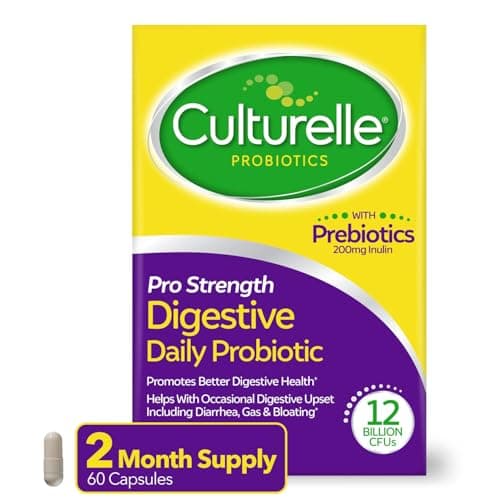
Culturelle — Culturelle Digestive Daily
Lactobacillus rhamnosus GG · 10 billion CFU per capsule · single named strain · 30-count · shelf-stable, no refrigeration required
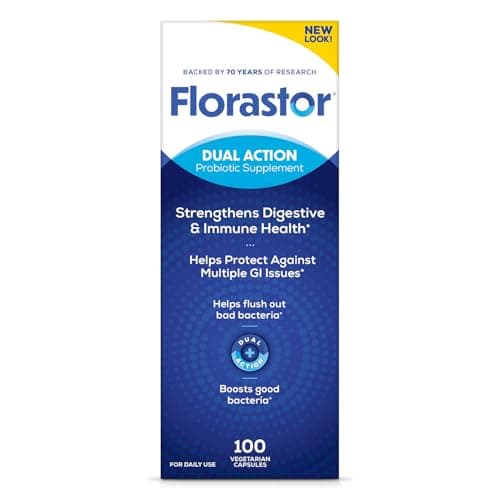
Florastor — Florastor Daily Probiotic
At a glance
Tap a row to check price · tap a header to sort| # | Best for | Price | ||
|---|---|---|---|---|
| 1 | 1. Culturelle — Culturelle Digestive DailyBest overall alternative | Best overall alternative | 8.7/10 | |
| 2 | 2. Florastor — Florastor Daily ProbioticBest for taking with antibiotics | Best for taking with antibiotics | 8/10 | |
| 3 | 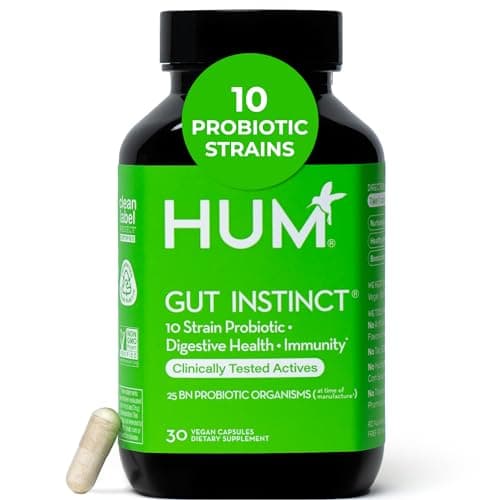 3. HUM Nutrition — Gut Instinct Daily ProbioticBudget pick | Budget pick | 7.2/10 | |
| 4 | 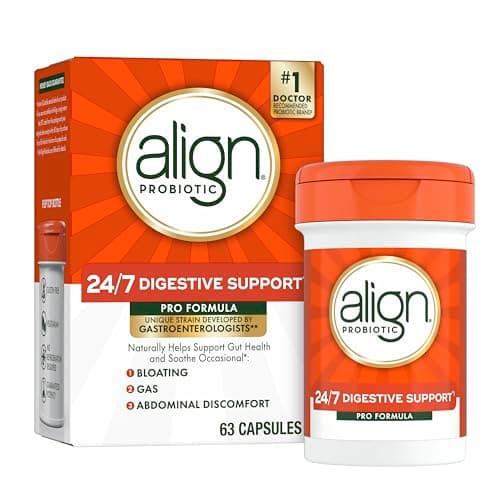 4. Align — Align Probiotic SupplementBest single strain for IBS-type symptoms | Best single strain for IBS-type symptoms | 7.3/10 | |
| 5 | 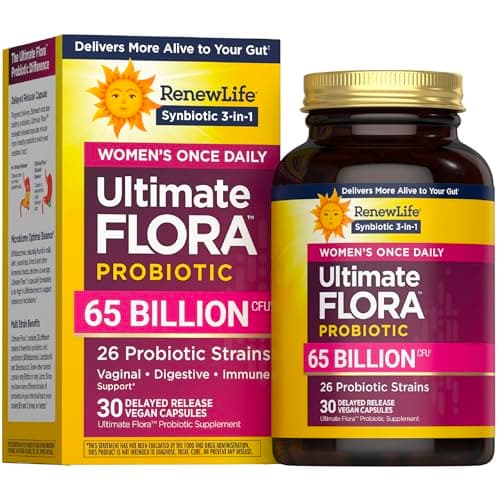 5. Renew Life — Ultimate Flora Women's CareClosest structural match to Seed | Closest structural match to Seed | 7/10 | |
| 6 | 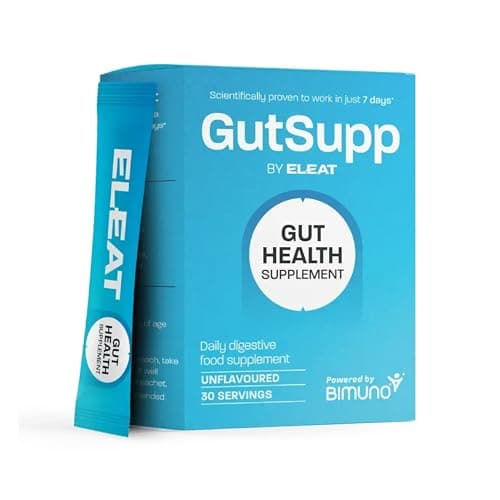 6. Bimuno — Bimuno GutSupp Prebiotic (GOS)The prebiotic half of Seed's 2-in-1 capsule | The prebiotic half of Seed's 2-in-1 capsule | 7.4/10 | $41.31$46.0010% offCheck Price for Bimuno Bimuno GutSupp Prebiotic (GOS) on Amazon |
Prices pulled from Amazon as of November 24, 2026 and are subject to change. The price shown on Amazon at checkout applies.
How we scored
Every product below is scored on six metrics, 0-10 each, with the weighting described on how we review. The criteria specific to this category:
- Named strain, not just species — the difference between "Lactobacillus rhamnosus" and "Lactobacillus rhamnosus GG" is the difference between a genus with thousands of members and an organism with decades of trials behind it
- Human trial evidence for that exact strain, with the trial count and the effect size where it exists. The NIH Office of Dietary Supplements is explicit that probiotic effects are strain-specific, so a strain with no trials is an unknown regardless of how many of them are in the capsule
- CFU at end of shelf life rather than at manufacture. US labeling rules require only total microorganism weight, which can include dead organisms and has no relationship to viable count — so a potency guarantee dated to expiry is a real signal
- Dose relative to what was studied, because the trial dose is the only dose anyone has evidence for
- Whether it needs refrigeration, which decides whether it survives a desk drawer or a suitcase
- Cost per day at the live price, and — just as important — whether you have to join a subscription to get it
- Label honesty: every strain and its individual dose printed, rather than a total CFU figure spread across a proprietary blend
What to know before buying
- Buy a strain, not a number. This is the single most useful thing on this page. The NIH Office of Dietary Supplements states that probiotic effects are expressed in a strain-specific manner and that clinical recommendations must therefore be strain-specific — and that there is no evidence more than one strain is better than one. A bottle advertising 50 billion CFU across 20 unnamed strains tells you almost nothing; "Lactobacillus rhamnosus GG, 10 billion CFU" tells you exactly which research applies.
- Match the strain to the job. LGG and S. boulardii have the strongest evidence for antibiotic-associated diarrhea. Bifidobacterium 35624 is the strain studied in IBS, though the American Gastroenterological Association's 2020 guideline concluded the evidence for probiotics in IBS is insufficient and suggested patients consider stopping. If you want a probiotic for general wellness, be honest that the NIH makes no formal recommendation for or against probiotics in healthy people.
- If you are taking antibiotics, a yeast has a structural advantage. S. boulardii is a yeast, so the antibiotic does not kill it — which is why Florastor can be taken alongside a course while a bacterial probiotic is usually spaced hours away from the dose. The NIH fact sheet also notes that starting within two days of the first antibiotic dose works better than starting later.
- Read the potency line, not the headline CFU. US labeling requires only the total weight of microorganisms, which can include dead ones and bears no relation to how many are alive when you swallow them. Look for a count guaranteed at end of shelf life — Seed does this, and it is one of the genuinely good things about the product. Several cheap bottles guarantee potency at manufacture, which is close to meaningless.
- Decide whether you want the prebiotic too. Seed's capsule-in-a-capsule carries a polyphenol prebiotic on the outside, which is a real convenience. If you want to replicate that, buy the prebiotic separately — Bimuno GutSupp is the branded galactooligosaccharide that appears in much of the human GOS research. Two products instead of one, and you control both doses.
- Expect individual results, because the research says to. A 2018 study in Cell gave an 11-strain probiotic to volunteers and sampled the gut mucosa directly: the strains were viable, but colonization was person-, region- and strain-specific, and stool testing could not predict it. The NIH fact sheet summarizes the same point — probiotics may colonize only transiently, in highly individualized patterns. Give any probiotic four weeks against a written baseline, then stop if nothing changed.
- Probiotics are not risk-free for everyone. Cases of bacteremia, fungemia and severe infection have been reported, mostly in severely ill or immunocompromised people, and the FDA issued a 2023 warning about probiotic use in preterm infants. If you are immunocompromised, have a central line, or are caring for a premature infant, this is a conversation with a doctor rather than a shopping decision. Nothing here is medical advice.
Our picks
Culturelle — Culturelle Digestive Daily
Key specs: Lactobacillus rhamnosus GG · 10 billion CFU per capsule · single named strain · 30-count · shelf-stable, no refrigeration required
Pros
- LGG is the most-researched probiotic strain in existence, so you know precisely which evidence applies to the capsule in your hand
- The dose matches the research rather than chasing a headline CFU number
- A single named strain means no proprietary blend hiding what you are actually taking
- Shelf-stable and sold as a plain bottle — no cold chain, no subscription, no auto-renewal to cancel
Cons
- One strain, so if your reason for buying Seed was broad-spectrum coverage this is deliberately the opposite bet
- No prebiotic component, unlike Seed's outer capsule — add one separately if you want it
- The strongest LGG results are in children; in adults analyzed separately the effect was not statistically significant
Who this one is for
For the reader who wants the research rather than the strain count. One capsule is 10 billion CFU of Lactobacillus rhamnosus GG, the strain behind more human trials than any other: the NIH summarizes a review of 12 randomized trials in 1,499 people where antibiotic-associated diarrhea fell from 22.4% to 12.3%, with the clearest effect in children. Shelf-stable, no refrigeration, no subscription. Not the pick if you specifically want a broad multi-strain formula.
Culturelle — Culturelle Digestive Daily
- Third-party testing8/10
- Bioavailability8/10
- Clinical evidence10/10
- Value9/10
- Brand transparency9/10
- Form & absorption8/10
Florastor — Florastor Daily Probiotic
Key specs: Saccharomyces boulardii CNCM I-745 · 250 mg per capsule · a yeast, not a bacterium · 50-count · shelf-stable, no refrigeration required
Pros
- A yeast is unaffected by antibiotics, which is a structural advantage no bacterial probiotic can match on an antibiotic course
- One of the two strains with the deepest antibiotic-associated-diarrhea evidence — 21 trials in 4,780 people per the NIH summary
- CNCM I-745 is a specific, named, traceable strain rather than a species-level claim
- Robustly shelf-stable, which makes it the most travel-proof pick here
Cons
- One of the more expensive products on this page per capsule
- A single-organism product, so it is not a broad-spectrum substitute for Seed's 24 strains
- Yeast-based probiotics are not appropriate for everyone — a doctor's question if you are immunocompromised or have a central line
Who this one is for
For anyone on a course of antibiotics, or who travels and wants something that survives a warm suitcase. Saccharomyces boulardii CNCM I-745 at 250 mg is a yeast rather than a bacterium, so the antibiotic does not touch it and you do not need to space the doses out. The evidence base is large: 21 trials in 4,780 people, with adult antibiotic-associated diarrhea falling from 17.4% to 8.2% and children from 20.9% to 8.8%. Not a general-wellness daily if cost matters.
Florastor — Florastor Daily Probiotic
- Third-party testing7/10
- Bioavailability8/10
- Clinical evidence9/10
- Value6/10
- Brand transparency8/10
- Form & absorption9/10
HUM Nutrition — Gut Instinct Daily Probiotic
Key specs: 10-strain probiotic blend · 25 billion CFU · 30 capsules (30-day supply) · sold as a standard bottle, no subscription
Pros
- Lowest cost per day among the multi-strain options here, with no auto-renewing subscription to manage
- 25 billion CFU across 10 strains is a genuinely broad formula for the price
- A single bottle format makes it easy to trial for four weeks and stop if nothing changes
- Shelf-stable and compact enough to travel
Cons
- A multi-strain blend inherits the core problem this page is about: the NIH states there is no evidence more than one strain is better than one
- Does not publish the same end-of-shelf-life potency guarantee that Seed does
- No prebiotic component
Who this one is for
For the reader whose objection to Seed is the monthly commitment rather than the formula. A 10-strain blend at 25 billion CFU in 30 capsules, sold as a one-off bottle — the closest thing here to Seed's structure at a fraction of the price. Buy it if you want broad-spectrum coverage and accept that broad coverage is a bet rather than a proven strategy. Skip it if you want a named strain with trials behind it, which is Culturelle or Florastor.
HUM Nutrition — Gut Instinct Daily Probiotic
- Third-party testing7/10
- Bioavailability7/10
- Clinical evidence6/10
- Value9/10
- Brand transparency7/10
- Form & absorption7/10
Align — Align Probiotic Supplement
Key specs: Bifidobacterium 35624 · 1 billion CFU per capsule · single named strain · 28-count · shelf-stable
Pros
- A specific named strain with a defined research program behind it, rather than a species-level blend
- The most clinically familiar probiotic in US primary care, which makes it easy to discuss with a doctor
- 1 billion CFU matches the dose used in the research — a lower headline number than its rivals, on purpose
- Shelf-stable and widely available
Cons
- The AGA's 2020 guideline concluded the evidence for probiotics in IBS is insufficient — we are not going to pretend otherwise
- The most expensive cost per day on this page at the as-of price, for the lowest CFU count
- 28 capsules is a short bottle, so the per-month cost is higher than the sticker suggests
Who this one is for
For the reader who bought Seed for bloating and irregularity. Bifidobacterium 35624 at 1 billion CFU is the strain studied in irritable bowel syndrome and the one most gastroenterologists have heard of. Read the caveat honestly: the American Gastroenterological Association's 2020 guideline found the evidence for probiotics in IBS insufficient and suggested patients consider stopping. This is a four-week trial against a written baseline, not a treatment.
Align — Align Probiotic Supplement
- Third-party testing7/10
- Bioavailability8/10
- Clinical evidence8/10
- Value5/10
- Brand transparency8/10
- Form & absorption8/10
Renew Life — Ultimate Flora Women's Care
Key specs: 10 strains · 25 billion CFU · Lactobacillus-weighted blend · refrigeration recommended to maintain potency
Pros
- A broad 10-strain, 25-billion-CFU formula at a small fraction of a Seed subscription
- Lactobacillus-weighted, which is where most of the women's-health probiotic research sits
- Sold as a plain bottle — buy one, try it for four weeks, stop if nothing changes
- Widely stocked, so repeat purchases are easy
Cons
- Refrigeration recommended, which rules it out for travel and makes potency dependent on how the bottle was handled before it reached you
- Multi-strain breadth is a wider bet, not a stronger one — the same caveat that applies to Seed applies here
- No end-of-shelf-life potency guarantee of the kind Seed publishes
Who this one is for
For the reader who wants Seed's broad-spectrum shape without Seed's price: 10 strains at 25 billion CFU, weighted toward the Lactobacillus species that dominate the vaginal and urinary microbiome research. Buy it if broad coverage is what you were paying for. The honest trade is that refrigeration is recommended to hold potency, which makes it the least travel-friendly pick here, and strain count still is not evidence.
Renew Life — Ultimate Flora Women's Care
- Third-party testing6/10
- Bioavailability7/10
- Clinical evidence7/10
- Value8/10
- Brand transparency6/10
- Form & absorption6/10
Bimuno — Bimuno GutSupp Prebiotic (GOS)
Key specs: Galactooligosaccharides (GOS) · the prebiotic class with the deepest human research on Bifidobacteria · tasteless and soluble · daily-serving format
Pros
- GOS is the best-researched prebiotic for raising beneficial Bifidobacteria, and Bimuno is the branded GOS used in much of that research
- Tasteless and soluble, so it mixes into any drink without changing it
- Completes the probiotic-plus-prebiotic structure that Seed sells as one capsule, with independent dosing
- Pairs with any of the probiotics above rather than locking you into one brand's formula
Cons
- The most expensive per serving of anything on this page — you pay a real premium for the studied, branded GOS
- Fermentable, so introduce it gradually or expect gas for the first week
- A prebiotic is not a substitute for eating fiber; our position is whole food first, and this is an addition rather than a replacement
Who this one is for
For the reader who specifically wants to replicate Seed's synbiotic design: a probiotic plus a prebiotic. Bimuno is the branded galactooligosaccharide that features in much of the human GOS research, and GOS is the prebiotic class with the deepest data on increasing Bifidobacteria. Pair it with Culturelle or Florastor and you have the same two-part idea with both doses under your control. Skip it if you eat plenty of fiber already — food does this job better and cheaper.
Bimuno — Bimuno GutSupp Prebiotic (GOS)
- Third-party testing7/10
- Bioavailability8/10
- Clinical evidence8/10
- Value4/10
- Brand transparency8/10
- Form & absorption8/10
Frequently asked questions
Culturelle Digestive Daily for most people. It contains 10 billion CFU of Lactobacillus rhamnosus GG, the most-studied probiotic strain there is — the NIH Office of Dietary Supplements summarizes a review of 12 trials in 1,499 people where antibiotic-associated diarrhea dropped from 22.4% to 12.3% — and it costs a small fraction of a Seed subscription. If you are on antibiotics right now, Florastor is the better choice: S. boulardii CNCM I-745 is a yeast, so the antibiotic does not kill it, and its evidence base runs to 21 trials in 4,780 people. If your objection to Seed is the subscription rather than the formula, HUM Gut Instinct gives you 10 strains at 25 billion CFU in a plain bottle.
Related reading
- → Do probiotics actually work?
- → How to read a supplement label
- → Seed vs Culturelle (24 strains against one with trials)
- → AG1 vs Seed
- → Best probiotic supplements (the full rubric-scored roundup, Seed included)
- → Best prebiotic supplements (the other half of a synbiotic)
- → Best supplements for gut health (where probiotics rank against fiber)
- → AG1 alternatives (the same exercise for the greens-powder subscription)
- → Best fiber supplements
Sources
- Probiotics — Fact Sheet for Health Professionals (effects are strain-specific, so clinical recommendations must be strain-specific, and there is no evidence that more than one strain is better; LGG review of 12 RCTs in 1,499 people, antibiotic-associated diarrhea 22.4% to 12.3%, significant only in children when analyzed separately; S. boulardii review of 21 RCTs in 4,780 people, adults 17.4% to 8.2% and children 20.9% to 8.8%; starting within 2 days of the first antibiotic dose more effective; labeling regulations require only total microorganism weight, which can include dead organisms and has no relationship to viable count, so look for CFU at end of shelf life; probiotics may colonize only transiently in highly individualized patterns; no formal recommendation for or against probiotics in healthy people; reported cases of bacteremia, fungemia and severe infection mostly in severely ill or immunocompromised people; FDA 2023 warning on preterm infants) — NIH Office of Dietary Supplements, 2026
- AGA Clinical Practice Guidelines on the Role of Probiotics in the Management of Gastrointestinal Disorders (insufficient evidence for treating C. difficile infection, Crohn's disease, ulcerative colitis or IBS, with the suggestion that patients consider stopping; S. boulardii or specific combinations suggested for prevention of C. difficile infection in adults and children on antibiotics) — Gastroenterology, 159(2):697-705 — American Gastroenterological Association, 2020
- Personalized Gut Mucosal Colonization Resistance to Empiric Probiotics Is Associated with Unique Host and Microbiome Features (11-strain probiotic versus placebo with invasive multi-omics sampling; person-, region- and strain-specific mucosal colonization not predictable from stool) — Cell, 174(6):1388-1405, 2018
- Lactobacillus rhamnosus GG — a systematic review of its safety — Beneficial Microbes, 2019
- World Gastroenterology Organisation global guidelines — probiotics and prebiotics — World Gastroenterology Organisation, 2023
- Product titles, named strains, CFU and milligram doses, capsule counts, storage requirements, live prices and availability for Seed DS-01 and all six ranked alternatives — Amazon product listing data, 2026
Last verified: November 17, 2026. See our editorial policy and how we review for details on scoring and update cadence. Canonical URL: https://trustedhealthgear.com/reviews/seed-probiotic-alternatives.
Culturelle — Culturelle Digestive Daily
$30.99 · on Amazon