Seed vs Culturelle: Probiotic Comparison
Seed and Culturelle sit at opposite ends of the probiotic category. Seed is a 24-strain synbiotic (probiotic + prebiotic) sold by subscription with extensive strain-level transparency. Culturelle is a single-strain (Lactobacillus rhamnosus GG) product with one of the deepest research bases in the entire probiotic literature. Different philosophies, different price points, different use cases.
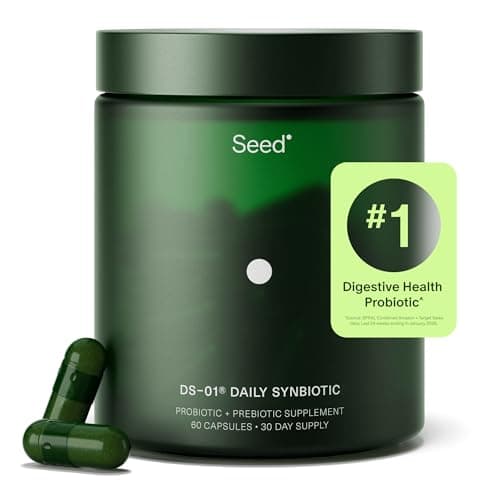
Seed — Daily Synbiotic (DS-01)
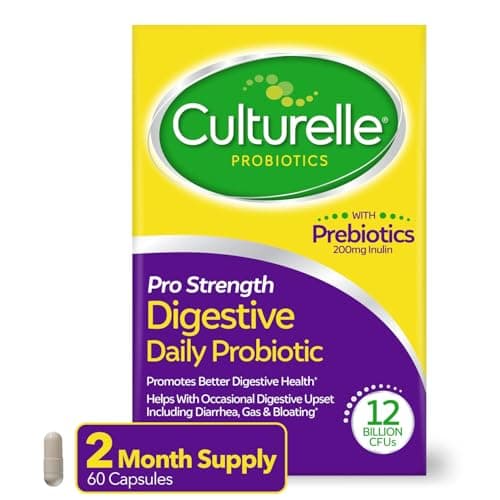
Culturelle — Culturelle Digestive Daily
The verdict
Pick Seed if you want a diversified, research-cited multi-strain product and are willing to pay a premium for transparency. Pick Culturelle if you want the single most-researched probiotic strain at a fraction of the cost, or you're specifically using it to prevent antibiotic-associated diarrhea or manage IBS-D symptoms.
Side-by-side
| Attribute | Seed Daily Synbiotic (DS-01) | Culturelle Digestive Daily |
|---|---|---|
| Strains | 24 named strains in 2-in-1 capsule | 1 strain: Lactobacillus rhamnosus GG |
| CFU / AFU count | 53.6 billion AFU at end-of-shelf-life | 10 billion CFU |
| Prebiotic included | Yes — pomegranate polyphenol-rich prebiotic in outer capsule | No |
| Shelf stability | Room temperature | Room temperature |
| Research base for the specific product | Published strain-level research on many component strains | Decades of published RCTs specifically on LGG |
| Purchase model | Subscription-only | Retail or online, no subscription required |
| Cost per day (approx.) | ~$2.00 | ~$0.50-$0.80 |
| Strongest evidence use case | General gut-microbiome support (multi-strain rationale) | Antibiotic-associated diarrhea prevention, IBS-D |
| Where to buy |
Prices pulled from Amazon as of October 18, 2026 and are subject to change. The price shown on Amazon at checkout applies.
Who should pick which
Pick Seed Daily Synbiotic (DS-01)
- Buyers who want diversity of strains and are willing to subscribe.
- Users looking for strain-level transparency with published research citations.
Pick Culturelle Digestive Daily
- Buyers who prefer single-strain products with deep individual research.
- People preventing antibiotic-associated diarrhea (LGG has strong Cochrane evidence).
- Cost-sensitive daily users.
Different theories of what works
Seed's approach: gut ecology is complex, so a diverse strain profile plus a prebiotic that supports beneficial microbiota is the likeliest lever for general gut-health benefits. Culturelle's approach: bet on the strain with the deepest published research profile — Lactobacillus rhamnosus GG — and accept that a single-strain product can meaningfully move specific endpoints. Both are defensible positions backed by real research, though they prioritize different evidence.
Cost structure matters for long-term use
Seed is ~$2.00/day on the base subscription. Culturelle is $0.50-$0.80/day. Over a year, that's roughly $430 vs $220 — not trivial. If you're starting a probiotic trial to see if it helps a specific symptom, the cost difference may determine how long you can sustain the experiment.
Strain specificity matters for specific conditions
For antibiotic-associated diarrhea prevention, published trials on Lactobacillus rhamnosus GG (i.e., Culturelle) have a strong Cochrane-review-level evidence base. That's a specific, measurable indication where Culturelle has an evidence advantage that Seed doesn't match — because Seed's strain combination isn't what was tested in those trials. If you have a specific indication, look at what was actually studied.
Transparency
Both brands publish strain-level information. Seed goes further — detailed references to the papers that studied each strain, AFU-at-end-of-shelf-life (rather than manufacture-date CFU), and third-party lab testing. Culturelle publishes the strain identity and has a long retail track record. Both are far ahead of typical probiotic brands that list 'proprietary blend' with no strain designation.
Frequently asked questions
For general gut-health use, the honest answer is: likely yes on transparency and formulation rigor, unclear on actual outcomes. Published head-to-head trials against cheaper products don't exist. For specific indications (antibiotic-associated diarrhea), cheaper single-strain products like Culturelle have more direct evidence.
Related reading
Sources
- Probiotics for the Prevention of Antibiotic-Associated Diarrhea — Cochrane Review
- Lactobacillus rhamnosus GG — A systematic review of its safety — Benef Microbes, 2019
- World Gastroenterology Organisation Guidelines on Probiotics — WGO, 2023
Seed — Daily Synbiotic (DS-01)
$59.99 · on Amazon