The Best Supplements for Immune Support, Ranked by the Actual Evidence
Start with the thing the category is built on pretending: you cannot boost a healthy immune system. Boost is a marketing word, not a physiological one — an immune system running normally is not a dial you turn up, and a product that genuinely revved up immune activity across the board would be describing an autoimmune problem rather than a benefit. What you can actually do is narrower and far less exciting. You can correct a deficiency, which matters because deficiency genuinely impairs immune function. And you can use two specific protocols that have real trial evidence behind them. That is the whole honest list, and it is why this page ranks a 15 mg zinc capsule above a mushroom complex. The sharpest illustration of how upside-down this aisle is sits in the zinc section of any pharmacy. The adult RDA for zinc is 11 mg for men and 8 mg for women, and the Tolerable Upper Intake Level — the most you can take daily without expecting harm — is 40 mg. Now look at what is actually stocked: wall-to-wall 50 mg immune support caplets and 100 mg high potency tablets, doses that clear the ceiling in a single swallow. This is not a harmless rounding error. The NIH Office of Dietary Supplements states plainly that doses of 50 mg of zinc or more over a period of weeks can inhibit copper absorption, reduce immune function, and lower HDL cholesterol. Read that against the label one more time: a 50 mg bottle sold as daily immune support, taken exactly as directed for a month, can blunt the very function it advertises. That is the single most useful fact on this page. The trial evidence for the two famous cold supplements is real but much smaller than their reputation, and the details decide whether you get any benefit. For zinc, the 2024 Cochrane review pooled 34 studies and 8,526 participants: zinc lozenges started at the first sign of a cold may shorten it by about two days, while zinc made little to no difference in preventing colds — and every one of those conclusions rested on low-certainty evidence. Note the form. It is a lozenge dissolved in the mouth on an acute, few-day protocol, at doses above 75 mg a day, not a capsule you swallow every morning forever. For vitamin C, the Cochrane review pooled 29 comparisons and 11,306 participants and found regular supplementation did not reduce how often people in the general population caught colds at all, with a relative risk of 0.97. It shortened colds by about 8% in adults and 14% in children — a few hours off a week-long cold — and taking it after symptoms started did nothing consistent across 3,249 episodes. But there is one exception, and for this site's readers it is the interesting one: in five trials of 598 marathon runners, skiers, and soldiers under extreme physical stress or cold exposure, the pooled relative risk was 0.48, roughly halving cold incidence. If you are running high-volume conditioning, lifting heavy year-round, or training outdoors through winter, you are far closer to that trial population than to the sedentary average. Everything else here is either deficiency insurance or a plausible mechanism still waiting on outcomes. And the unglamorous truth underneath all of it: sleep, enough protein, and not being run into the ground by your own training program do more for immune resilience than anything you can buy. This is general information, not medical advice.
Top pick
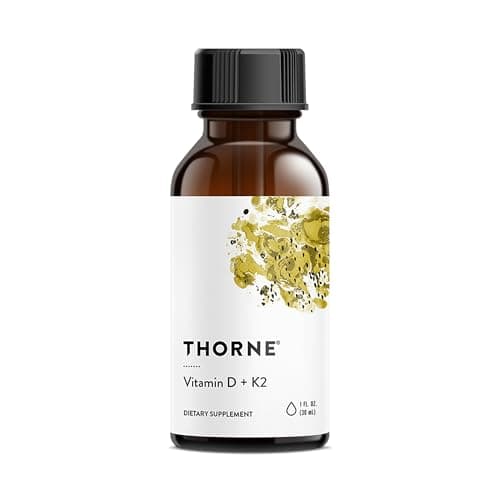
Thorne — Vitamin D3 + K2
1,000 IU D3 + 200mcg K2 (MK-4) per softgel, NSF Certified for Sport, gluten-free
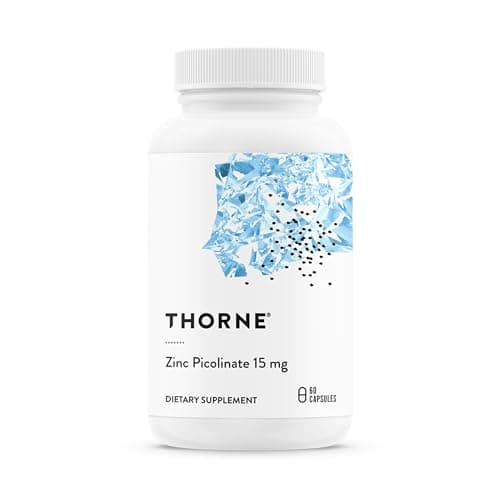
Thorne — Zinc Picolinate 15 mg (60 capsules)
At a glance
Tap a row to check price · tap a header to sort| # | Best for | Price | ||
|---|---|---|---|---|
| 1 | | Best overall | 8.8/10 | $34.00 |
| 2 | | The zinc that respects the 40 mg ceiling | 8.5/10 | $15.00 |
| 3 | 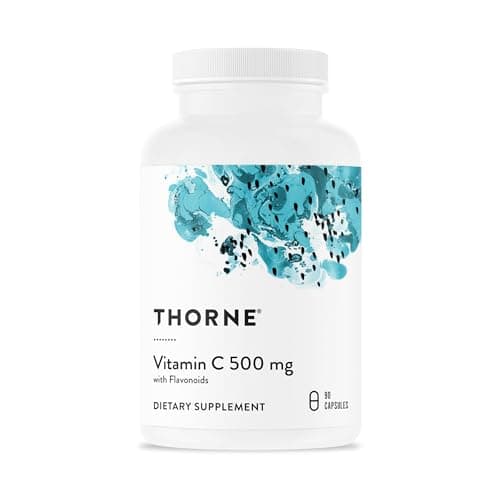 | Best if you train hard | 8.3/10 | $23.00 |
| 4 | 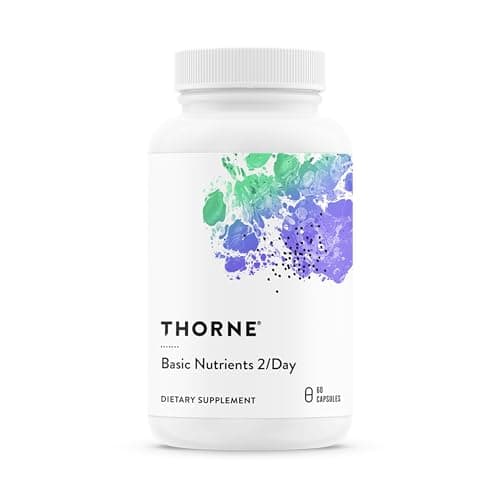 | Best broad insurance against the deficiencies that actually matter | 7.9/10 | $36.00 |
| 5 | 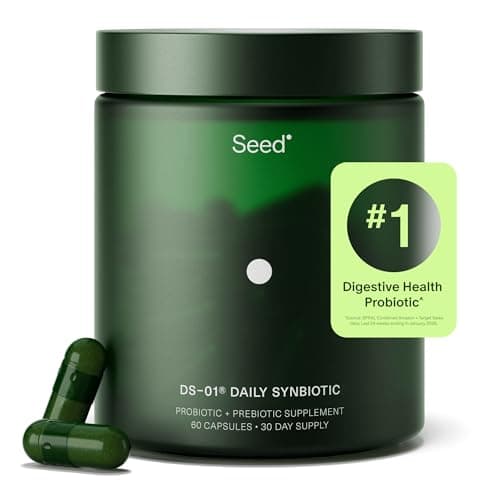 | The gut-immune angle | 6.9/10 | $59.99 |
| 6 | 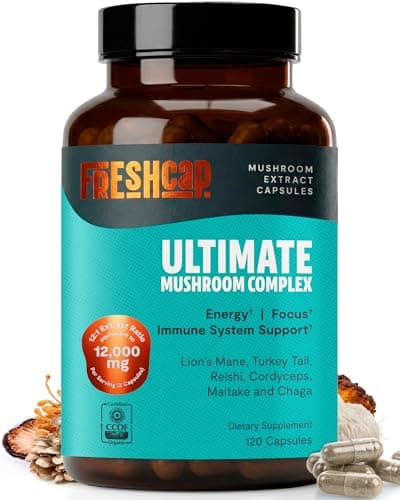 | Best of the immune mushrooms | 6.4/10 | $29.74$34.99 |
Prices pulled from Amazon as of Sep 15, 2026 and are subject to change. The price shown on Amazon at checkout applies.
How we scored
Every product below is scored on six metrics, 0-10 each, with the weighting described on how we review. The criteria specific to this category:
- Evidence for an immune outcome, not an immune mechanism. The bar here is a trial showing fewer or shorter illnesses, not a laboratory demonstration that an ingredient interacts with immune cells. Almost everything in this aisle clears the second bar and almost nothing clears the first. Products whose case rests on beta-glucans activating something in a petri dish score low, however well made they are, because that is a mechanism story rather than a result.
- Dose against the ceiling, not against the label. This metric exists because of zinc specifically. A supplement that exceeds the Tolerable Upper Intake Level and is meant to be taken daily is actively marked down, no matter how it is marketed — 40 mg is the adult ceiling for zinc, and the 50 and 100 mg bottles fronted as immune support are the clearest example in the whole supplement aisle of a product whose dose works against its claim. We reward doses sized to the RDA with sensible headroom.
- Honesty about who benefits and when. Deficiency correction and acute protocols are legitimate; open-ended boosting is not. A vitamin D aimed at someone with a tested deficiency, or a zinc lozenge aimed at day one of a cold, is an honest product. The same ingredients sold as a permanent shield against getting sick are selling a result the trials do not support, and that costs points here.
- Third-party testing. Supplements are not pre-approved by the FDA, so independent verification is the only practical assurance that the label matches the capsule. We favor NSF Certified for Sport, USP, and credible published third-party testing — and in the mushroom corner specifically, verified beta-glucan content rather than a vague extract claim, since that category has a long history of selling starchy grain filler as mushroom.
- Label honesty and a short ingredient list. Immune blends are a favorite home for proprietary formulas: a dozen botanicals under one combined milligram total, so nobody can tell whether anything is dosed to a studied amount. Single-ingredient products with printed doses score well. If a label will not tell you how much of each thing you are getting, assume the amounts are too small to matter.
- Value at the dose that works. We price the serving that actually does something. This metric is unkind to the premium end of the category and kind to the boring end, which is a fair reflection of where the evidence sits: the highest-scoring products here are among the cheapest, and the most expensive are the ones resting on mechanism rather than outcome.
What to know before buying
- Check the zinc dose on anything you already own, right now. This is the most actionable line on this page. The adult upper limit is 40 mg a day, yet 50 mg and 100 mg zinc products are the default on most shelves, frequently branded as immune support. ODS is explicit that 50 mg or more over a period of weeks can inhibit copper absorption, reduce immune function, and lower HDL cholesterol, and the case reports of zinc-induced copper deficiency include anemia and neurological damage in people who kept it up for years. If your daily zinc says 50 mg, that is a reason to switch to a 15 mg product, not a sign you bought the strong one.
- Zinc lozenges are an acute protocol, not a daily habit. The Cochrane evidence that zinc may cut about two days off a cold applies to lozenges dissolved in the mouth, started at the first sign of symptoms, at doses above 75 mg a day for the few days you are ill — and it is low-certainty evidence even then. That is a completely different product and a completely different use from the capsule you swallow each morning. Swallowing a high-dose capsule daily gets you none of the acute benefit and all of the copper risk, which is the worst of both trades.
- Vitamin C earns its place if you train hard, and mostly does not if you do not. For the general population the Cochrane pooled relative risk for catching a cold was 0.97 — no meaningful protection, however many people insist otherwise every January. But across five trials of 598 marathon runners, skiers, and soldiers under extreme physical stress, the pooled relative risk was 0.48. If you are deep in a heavy training block or conditioning outdoors through the winter, a cheap daily tablet is one of the few genuinely evidence-backed purchases in this category. If you are sedentary, it is not.
- Test vitamin D rather than guessing at it. Correcting a real deficiency is the legitimate version of immune support, and vitamin D is the nutrient most worth actually measuring, because status varies enormously with latitude, skin tone, season, and how much time you spend outdoors. A blood test turns this from a hopeful purchase into a targeted one and tells you what dose you need — which matters, because the 5,000 IU bottles that dominate the shelf are more than general daily need without a tested deficiency. Ask your doctor to include 25(OH)D next time you have bloods done.
- The boring inputs beat everything on this page. Short sleep, under-eating, and training volume you are not recovering from all degrade immune resilience, and no capsule compensates for them. This is the least profitable advice in the category and the most reliable. Treat supplements as a way to close a specific gap — a measured deficiency, a heavy training block, the first day of a cold — and treat sleep and food as the actual foundation. And note the obvious: persistent or unusually frequent infections are a reason to see a clinician, not a reason to buy a stronger blend.
Our picks
Thorne — Vitamin D3 + K2
Key specs: 1,000 IU D3 + 200mcg K2 (MK-4) per softgel, NSF Certified for Sport, gluten-free
Pros
- Correcting a genuine deficiency is the one immune play that is not marketing — and vitamin D is the nutrient most worth actually measuring, since status swings with latitude, season, skin tone, and time outdoors
- 1,000 IU is a sensible everyday dose rather than the 5,000 IU the shelf defaults to, which is more than general daily need without a tested deficiency
- NSF Certified for Sport — independent identity and potency verification, and usable by tested athletes
- The K2 pairing is a reasonable inclusion, and the label states both amounts plainly rather than burying them in a blend
Cons
- Get a 25(OH)D blood test rather than guessing — without one you do not know whether you need this or what dose
- This is deficiency correction, not a shield: topping up someone already replete is not shown to keep them from getting sick
- 1,000 IU will be too low for someone correcting a diagnosed deficiency, which is a dose a clinician should set
Thorne — Vitamin D3 + K2
- Immune evidence8/10
- Dose & ceiling9/10
- Label honesty9/10
- Third-party testing10/10
- Value8/10
Thorne — Zinc Picolinate 15 mg (60 capsules)
Key specs: Zinc picolinate 15 mg, capsule, 60 servings, third-party certified, gluten/dairy/soy-free
Pros
- 15 mg sits sensibly above the 11 mg RDA and far below the 40 mg upper limit, which is exactly the opposite of how this category is usually dosed
- Avoids the real harm in the aisle: ODS states 50 mg or more over weeks can inhibit copper absorption, reduce immune function, and lower HDL cholesterol
- Single-ingredient, third-party certified, with the dose printed rather than hidden in an immune blend
- Zinc deficiency genuinely impairs immune function, so a sane daily dose is a legitimate insurance policy for people at risk — vegetarians and vegans especially
Cons
- A swallowed capsule is NOT the cold protocol — the Cochrane duration benefit applies to lozenges dissolved in the mouth at the first sign of symptoms
- The picolinate form commands a premium the absorption data does not really justify; ODS puts citrate and gluconate at about 61% absorption against 50% for oxide
- Will not prevent colds — the 2024 Cochrane review found zinc made little to no difference in prevention
Thorne — Zinc Picolinate 15 mg (60 capsules)
- Immune evidence7/10
- Dose & ceiling10/10
- Label honesty10/10
- Third-party testing9/10
- Value7/10
Thorne — Vitamin C 500 mg with Citrus Bioflavonoids (90 servings)
Key specs: Vitamin C 500 mg with citrus bioflavonoids from oranges, capsule, 90 servings, third-party certified
Pros
- Across five trials of 598 marathon runners, skiers, and soldiers under extreme physical stress, pooled relative risk for catching a cold was 0.48 — roughly halved
- That population is a much better match for someone in a heavy training block or conditioning outdoors in winter than the sedentary average is
- Cheap per serving, third-party certified, and a sane 500 mg dose rather than a megadose the body will not absorb
- Single-ingredient with the bioflavonoids disclosed, not an immune complex hiding its amounts
Cons
- For the general population it does not prevent colds — the Cochrane pooled relative risk was 0.97 across 29 comparisons and 11,306 participants
- Taking it once symptoms have started did nothing consistent across 3,249 episodes, so it is a during-the-block purchase, not a rescue
- The duration benefit is modest at about 8% in adults, which is a few hours off a week-long cold
Thorne — Vitamin C 500 mg with Citrus Bioflavonoids (90 servings)
- Immune evidence7/10
- Dose & ceiling9/10
- Label honesty9/10
- Third-party testing9/10
- Value9/10
Thorne — Basic Nutrients 2/Day
Key specs: 2-capsule daily serving, methylfolate + methylcobalamin + MK-4 K2, NSF Certified for Sport
Pros
- If deficiency correction is the real mechanism behind immune support, a well-built multivitamin is the cheapest way to cover several gaps at once
- NSF Certified for Sport, which is the strongest routine third-party assurance available in this category
- Sensible doses across the panel rather than the megadose-everything approach, and a fully disclosed label
- Includes zinc at a sane amount rather than the 50 mg that dominates dedicated immune products
Cons
- A multivitamin is insurance, not treatment — it will not shorten a cold and is not shown to stop you catching one
- If you already eat a varied diet, much of this is redundant and you are paying for reassurance
- Two capsules daily is a slightly bigger commitment than a single tablet, which matters only because consistency is the whole value here
Thorne — Basic Nutrients 2/Day
- Immune evidence6/10
- Dose & ceiling9/10
- Label honesty9/10
- Third-party testing10/10
- Value6/10
Seed — Daily Synbiotic (DS-01)
Key specs: 24 named strains, 53.6 billion AFU end-of-shelf-life, 2-in-1 capsule with inner prebiotic coating
Pros
- Unusually transparent for the category: strains are named individually and the count is stated at end of shelf life rather than at manufacture
- A large share of immune tissue sits in the gut, so the mechanism linking gut flora to immune function is genuinely real rather than invented
- Strain-level disclosure lets you actually look up what was studied, which most probiotic labels make impossible
- Well-built delivery, and the prebiotic pairing is a sensible design rather than a marketing flourish
Cons
- Probiotic effects are strain-specific and the immune outcomes are not established the way the marketing implies — a real mechanism is not a demonstrated result
- The most expensive product on this page by a wide margin, on a subscription model
- If your goal is specifically fewer or shorter colds, the evidence here is weaker than for the zinc-lozenge or train-hard vitamin C cases above
Seed — Daily Synbiotic (DS-01)
- Immune evidence5/10
- Dose & ceiling8/10
- Label honesty9/10
- Third-party testing7/10
- Value4/10
FreshCap — FreshCap Ultimate Mushroom Complex (Capsules)
Key specs: Multi-mushroom fruiting-body extract (lion's mane, cordyceps, reishi, chaga, turkey tail, maitake), 12:1 extract, labeled 29% beta-glucans, third-party tested, 120 capsules
Pros
- Fruiting-body extract with a stated beta-glucan percentage, which is the single most important quality marker in a category notorious for selling starchy grain filler as mushroom
- Third-party tested with the extract ratio printed, so you can actually evaluate what you are buying
- If you want to run the mushroom experiment, this is the honest way to do it rather than a vague immune blend
- Multi-mushroom formula covers the commonly cited species without hiding them in a proprietary total
Cons
- Ranked last on immune evidence: beta-glucans interacting with immune cells is a mechanism, and this category has not produced the outcome trials that would move it up
- Immune support is the headline claim across the whole mushroom aisle and it is the least substantiated claim on this page
- Expensive relative to the two supplements here that do have Cochrane-level evidence behind specific, narrow uses
FreshCap — FreshCap Ultimate Mushroom Complex (Capsules)
- Immune evidence3/10
- Dose & ceiling8/10
- Label honesty9/10
- Third-party testing8/10
- Value5/10
Frequently asked questions
No, and the word boost is the problem. A healthy immune system is not a dial you turn up — a product that genuinely increased immune activity across the board would be describing an autoimmune problem, not a benefit. What supplements can do is narrower: correct a deficiency, since being short on nutrients like zinc or vitamin D genuinely impairs immune function, and in two specific cases follow a protocol with real trial evidence, namely zinc lozenges at the first sign of a cold and daily vitamin C for people under heavy physical stress. Everything sold as an open-ended immune shield is promising something the research does not support.
Related reading
Sources
- Zinc — Fact Sheet for Health Professionals (adult RDA 11 mg men / 8 mg women; Tolerable Upper Intake Level 40 mg; 50 mg or more over weeks can inhibit copper absorption, reduce immune function and lower HDL; absorption ~61% citrate/gluconate vs ~50% oxide) — NIH Office of Dietary Supplements
- Zinc for preventing and treating the common cold (2024 review: 34 studies, 8,526 participants; lozenges started at symptom onset may shorten a cold by ~2 days; little to no effect on prevention; low-certainty evidence) — Cochrane, 2024
- Vitamin C for preventing and treating the common cold (29 comparisons, 11,306 participants; RR 0.97 for incidence in the general population; ~8% shorter in adults and ~14% in children; RR 0.48 across five trials of 598 marathon runners, skiers and soldiers under extreme physical stress) — Cochrane
- Vitamin C — Fact Sheet for Health Professionals — NIH Office of Dietary Supplements
- Vitamin D — Fact Sheet for Health Professionals — NIH Office of Dietary Supplements
- Copper — Fact Sheet for Health Professionals (the nutrient high-dose zinc depletes) — NIH Office of Dietary Supplements
- Probiotics and prebiotics — global guidelines — World Gastroenterology Organisation
- Nutrition Labeling of Dietary Supplements, 21 CFR 101.36 (the rule permitting proprietary blends to disclose only a combined total) — Electronic Code of Federal Regulations
Last verified: September 15, 2026. See our editorial policy and how we review for details on scoring and update cadence. Canonical URL: https://trustedhealthgear.com/reviews/best-supplements-for-immune-support.
Thorne — Vitamin D3 + K2
$34.00 · on Amazon