The Best Supplements for Muscle Recovery, Ranked by Evidence
The recovery aisle is where supplement marketing gets loudest and the evidence gets thinnest. Walk into any store and you will find tubs labeled as a post-workout recovery matrix or a muscle repair complex, selling you proprietary blends of things that, on the honest read of the research, do very little. So let us start with the part that does not sell tubs: recovery is mostly driven by three unglamorous inputs. The first is eating enough total protein across the day. The second is sleeping enough. The third is managing your training load so you are not constantly digging a hole no supplement can fill. Get those right and supplements are a small edge on top. Get them wrong and no powder rescues you. On the first input, the International Society of Sports Nutrition's 2017 position stand on protein and exercise is specific about the dose that actually drives muscle protein synthesis: roughly 0.25 g of high-quality protein per kg of body weight per serving, or an absolute dose of about 20-40 g, containing roughly 700-3,000 mg of leucine alongside the full spread of essential amino acids, repeated every 3-4 hours across the day. Note what that recommendation is not: it is not a narrow post-workout window you have to sprint to hit. Total daily intake, spread sensibly, is the thing that matters — see our guide to daily protein requirements for the full picture. On the second input, the numbers are genuinely striking. In a study published in the journal Sleep in 2011, Stanford researchers had collegiate basketball players extend their sleep, and objective measurements showed they averaged 110.9 minutes more sleep per night than at baseline. Their 282-foot sprint times fell from 16.2 to 15.5 seconds, free-throw accuracy rose from 7.9 to 8.8 made shots out of 10, and three-point accuracy rose from 10.2 to 11.6 made out of 15 — roughly a nine percent improvement in shooting on both. No supplement on this page produces an effect that size. Sleep is the highest-leverage recovery tool you have, and it is free. That framing is what drives the ranking below. We put the two supplements with the strongest, most repeatedly demonstrated evidence at the top — whole protein and creatine monohydrate — followed by the one that supports sleep, then the genuinely modest options, and finally the ones the aisle oversells. Creatine deserves its place here specifically because the ISSN's 2017 creatine position stand calls creatine monohydrate the most effective ergogenic nutritional supplement currently available to athletes for increasing high-intensity exercise capacity and lean body mass, and notes that research suggests supplementation may also enhance post-exercise recovery, injury prevention, thermoregulation, and rehabilitation. That is a recovery claim from a position stand, not from a label. Everything below is scored on a public five-metric rubric weighted toward recovery evidence specifically, not general health benefits — a supplement can be worth taking for other reasons and still rank low here. And a word on what is missing: you will not find a BCAA recovery blend on this list, because branched-chain amino acids are only three of the nine essential amino acids your muscle needs present at once, and whole protein or a complete EAA formula does the job better for less money. This is general information, not medical advice.
Top pick
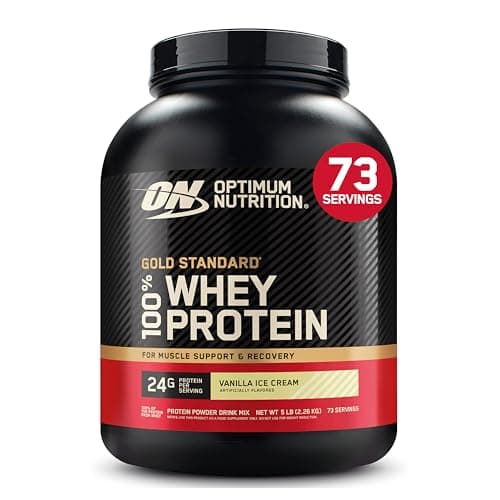
Optimum Nutrition — Gold Standard 100% Whey
24g protein / 120cal per scoop, 5.5g BCAAs, whey concentrate + isolate blend, Informed Choice certified on listed batches
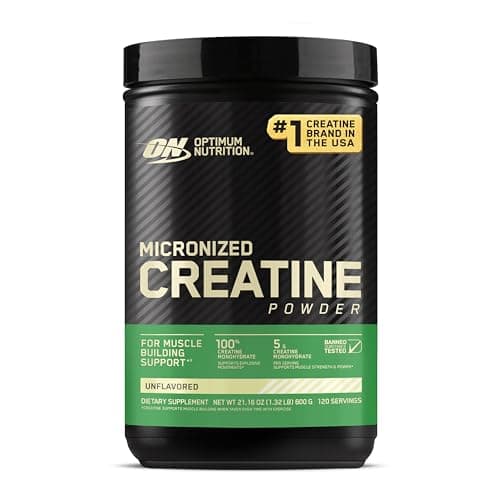
Optimum Nutrition — Creatine Monohydrate Powder (Micronized)
At a glance
Tap a row to check price · tap a header to sort| # | Best for | Price | ||
|---|---|---|---|---|
| 1 | 1. Optimum Nutrition — Gold Standard 100% WheyBest overall for recovery | Best overall for recovery | 9.2/10 | |
| 2 | 2. Optimum Nutrition — Creatine Monohydrate Powder (Micronized)Best value | Best value | 9/10 | |
| 3 | 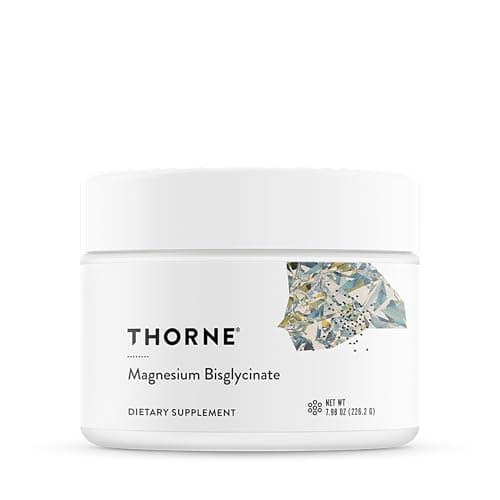 3. Thorne — Magnesium BisglycinateBest for the sleep half of recovery | Best for the sleep half of recovery | 8.4/10 | |
| 4 | 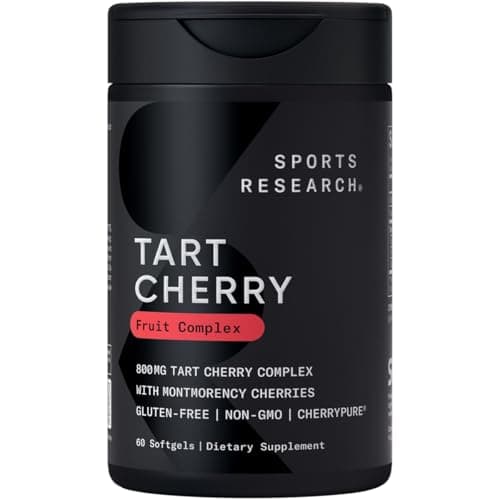 4. Sports Research — Sports Research Tart Cherry Concentrate (800 mg Softgels)Best evidence-backed option aimed directly at soreness | Best evidence-backed option aimed directly at soreness | 8/10 | |
| 5 | 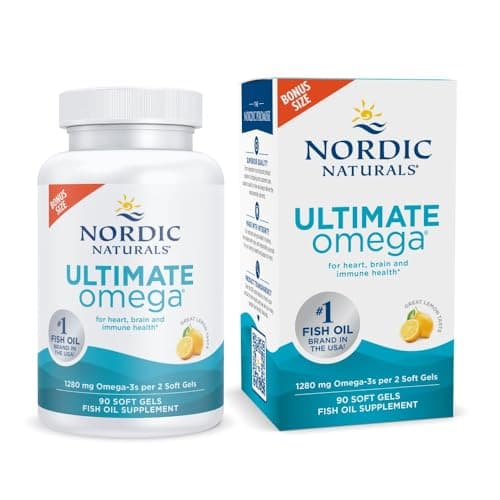 5. Nordic Naturals — Ultimate OmegaBest for the general anti-inflammatory case | Best for the general anti-inflammatory case | 7.6/10 | |
| 6 | 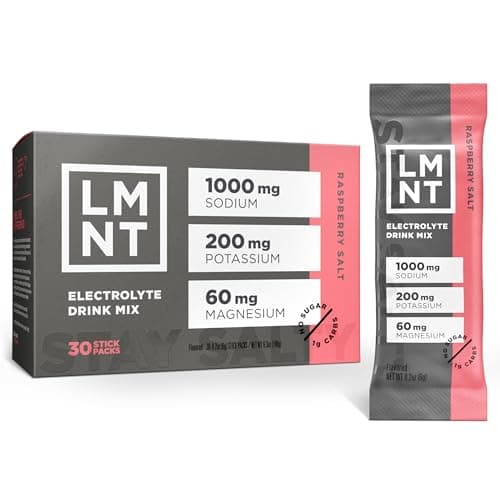 6. LMNT — LMNT Recharge Electrolyte Drink MixBest for rehydration after heavy-sweat sessions | Best for rehydration after heavy-sweat sessions | 7.2/10 | |
| 7 | 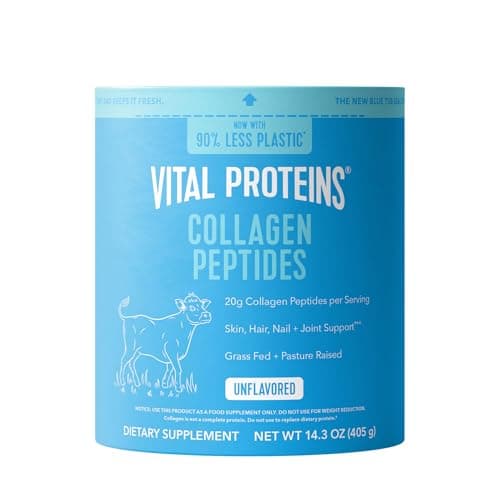 7. Vital Proteins — Collagen Peptides UnflavoredThe category the recovery aisle oversells most | The category the recovery aisle oversells most | 6.8/10 |
Prices pulled from Amazon as of October 22, 2026 and are subject to change. The price shown on Amazon at checkout applies.
How we scored
Every product below is scored on six metrics, 0-10 each, with the weighting described on how we review. The criteria specific to this category:
- Recovery evidence specifically. This is the heaviest-weighted metric and it is narrower than it sounds. Plenty of supplements are worth taking for general health and score badly here, because the question on this page is whether the research supports the supplement for muscle recovery — reduced soreness, faster restoration of performance between sessions, better repair of training damage. We reward supplements with repeated human trials pointing at those outcomes, and we mark down supplements whose recovery reputation rests on mechanism stories, in-vitro work, or manufacturer-funded studies.
- Dose and form that match the studies. A supplement only works at the dose and in the form that was actually tested. We check whether a serving delivers a research-relevant amount — 20-40 g of complete protein, 5 g of creatine monohydrate, a genuine Montmorency concentrate rather than a token sprinkle of cherry — and we mark down products where the effective amount is buried in a blend or quietly undersized so the tub lasts longer on the shelf.
- Label honesty and no proprietary blends. The recovery category is the worst offender for proprietary-blend fairy dust: a long ingredient list, a single combined milligram total, and no way to know how much of anything you are getting. We reward short, fully disclosed labels and mark down blends, unnecessary fillers, added sugar, and marketing language that implies clinical results the product has not earned.
- Third-party testing. Supplements are not pre-approved by the FDA, so independent verification is the only practical assurance that what is on the label is in the tub. We favor NSF Certified for Sport, Informed Choice or Informed Sport, USP, and IFOS certification, which matters twice over for anyone who competes in a tested sport.
- Value per serving at the real dose. We calculate what a genuinely effective serving costs, not what the smallest serving on the label costs. A product that looks cheap per scoop but needs two scoops to reach a studied dose is not cheap. Creatine monohydrate scores extremely well here and collagen scores poorly, and that gap is a fair reflection of what your money buys in recovery terms.
- Does it earn a place over food and sleep? The final check is the honest one. If the same benefit is available from eating enough protein, going to bed earlier, or backing off a week, we say so rather than selling you a tub. Several products on this list are ranked lower than their category page score precisely because they fail this test for recovery specifically.
What to know before buying
- Total daily protein beats protein timing. The single most useful thing you can do for recovery is hit enough protein across the whole day, in sensible-sized servings. The ISSN position stand points at roughly 0.25 g/kg per serving, or about 20-40 g, every 3-4 hours, with 700-3,000 mg of leucine per dose. The old idea of a narrow anabolic window you must hit within minutes of finishing your last set has not held up — if you have eaten protein in the hours around training, you are fine. A powder is a convenience for hitting that total, not a magic recovery agent, and real food gets there just as well.
- Sleep is the highest-leverage recovery supplement, and it costs nothing. The sleep-extension research in athletes produces effect sizes no pill on this page comes close to: over 110 extra minutes of sleep a night moved sprint times and shooting accuracy measurably in trained collegiate players. If you are training hard and sleeping six hours, no amount of tart cherry or collagen closes that gap. Fix sleep first, then consider whether a magnesium glycinate helps you fall asleep more easily — that is the honest reason a magnesium sits high on this list, and it is why our sleep coverage is part of recovery, not a separate topic.
- Creatine monohydrate is the one supplement with both the strongest performance record and a genuine recovery signal. It is also, conveniently, one of the cheapest supplements you can buy. Five grams a day of plain monohydrate is the studied protocol; you do not need a loading phase, and you do not need the upcharge forms. HCl, buffered, and advanced creatines have never beaten monohydrate head to head, and they cost more per effective gram. If you buy exactly one thing off this page beyond protein, buy monohydrate.
- Skip the BCAA recovery blends and the proprietary post-workout matrices. BCAAs are three of the nine essential amino acids, and muscle protein synthesis needs all nine present together — so a BCAA drink produces a weaker, incomplete response than the same money spent on whole protein or a complete EAA formula. Similarly, a recovery complex that lists twelve ingredients under one combined milligram figure is telling you it does not want you to know the doses. Short labels, disclosed amounts, or walk away.
- This is YMYL territory — know the line between soreness and injury. Normal training soreness fades over a few days and responds to sleep, food, and easy movement. Pain that is sharp, one-sided, joint-centered, getting worse rather than better, or accompanied by swelling, numbness, or loss of function is not something to manage with a supplement — that is a reason to see a clinician. Nothing on this page treats an injury or a disease. If you are pregnant, nursing, taking medication, or managing a health condition, talk to your doctor before adding any supplement, and remember that persistent fatigue and stalled recovery can have medical causes worth investigating rather than supplementing around.
Our picks
Optimum Nutrition — Gold Standard 100% Whey
Key specs: 24g protein / 120cal per scoop, 5.5g BCAAs, whey concentrate + isolate blend, Informed Choice certified on listed batches
Pros
- A single scoop lands squarely in the 20-40 g per-serving range the ISSN position stand points at for maximizing muscle protein synthesis
- Whey is a complete protein with all nine essential amino acids and a high leucine content, which is what separates it from a BCAA drink
- Informed Choice certification on listed batches is meaningful third-party assurance, and matters if you compete in a tested sport
- Widely stocked and priced sensibly per serving, which makes it realistic to actually hit your daily protein total
Cons
- It is a convenience, not a requirement — the same protein from food does the same job for recovery
- Flavored versions carry sweeteners and flavoring some people would rather avoid
- Whey is dairy-derived, so it is out for anyone avoiding dairy; see our plant protein coverage instead
Optimum Nutrition — Gold Standard 100% Whey
- Recovery evidence10/10
- Dose & form9/10
- Label honesty8/10
- Third-party testing8/10
- Value8/10
Optimum Nutrition — Creatine Monohydrate Powder (Micronized)
Key specs: 5g creatine monohydrate per serving, 600g tub, Creapure-grade micronized, single ingredient, no loading phase required
Pros
- The ISSN position stand calls creatine monohydrate the most effective ergogenic nutritional supplement available to athletes, and notes research suggesting it may also enhance post-exercise recovery, injury prevention, thermoregulation, and rehabilitation
- Plain monohydrate is the exact form used in the overwhelming majority of the research — no upcharge form has beaten it head to head
- Single-ingredient label with nothing to hide: 5 g per serving, disclosed, no blend
- Among the cheapest supplements per effective dose you can buy, which is why it beats far more expensive recovery products here
Cons
- Micronized monohydrate still settles in water more than the pricier soluble forms, which is a texture complaint, not a performance one
- Water-weight gain in the first weeks is normal and puts some people off
- Not third-party certified for sport at this price point — competitive athletes should look at the NSF Certified for Sport option in our creatine roundup
Optimum Nutrition — Creatine Monohydrate Powder (Micronized)
- Recovery evidence9/10
- Dose & form10/10
- Label honesty10/10
- Third-party testing7/10
- Value10/10
Thorne — Magnesium Bisglycinate
Key specs: ~200 mg elemental magnesium per scoop (magnesium bisglycinate), powder, NSF-certified facility, single ingredient with an unflavored option
Pros
- Sleep is the highest-leverage recovery variable there is, and glycinate is the form most people tolerate well enough to take nightly without GI upset
- Single-ingredient, fully disclosed label from a brand with genuinely rigorous testing standards
- Powder format makes it easy to take a sensible dose in the evening and adjust it
- Magnesium is a nutrient many hard-training people run low on, so this can be correcting a real shortfall rather than adding a novelty
Cons
- It supports sleep, it does not manufacture it — this does nothing for someone sleeping six hours by choice
- Costs more per serving than a supermarket magnesium, though most of those use forms that are harder on the gut
- The evidence for magnesium and sleep is suggestive rather than definitive, and much weaker than the evidence for protein or creatine
Thorne — Magnesium Bisglycinate
- Recovery evidence7/10
- Dose & form9/10
- Label honesty10/10
- Third-party testing9/10
- Value7/10
Sports Research — Sports Research Tart Cherry Concentrate (800 mg Softgels)
Key specs: Montmorency tart cherry concentrate, 800 mg per softgel, non-GMO and gluten-free, softgel format avoids added sugar, third-party-tested line
Pros
- Tart cherry is one of the few supplements marketed for soreness with actual supporting trials — research in runners and other athletes has found reduced muscle soreness and markers of exercise-induced damage when taken around hard sessions
- Uses genuine Montmorency tart cherry, which is the cherry the recovery research actually used
- Softgels avoid the added sugar that comes with gummies and juice concentrates
- Easy to take consistently in the days around damaging training, which is how the benefit shows up in the studies
Cons
- The effect is modest — a nudge on soreness, not a transformation, and much smaller than what sleep and adequate protein deliver
- More expensive per serving than creatine, which has a far stronger evidence base
- Not a treatment for gout, arthritis, or joint disease despite what the wider category implies
Sports Research — Sports Research Tart Cherry Concentrate (800 mg Softgels)
- Recovery evidence7/10
- Dose & form8/10
- Label honesty9/10
- Third-party testing8/10
- Value7/10
Nordic Naturals — Ultimate Omega
Key specs: 1,280mg combined EPA+DHA per 2-softgel serving, triglyceride form, IFOS 5-star tested
Pros
- A genuinely worthwhile supplement for general health, with an unusually transparent brand and IFOS 5-star third-party testing
- Triglyceride form and a real EPA+DHA dose per serving, rather than a token amount of fish oil padded with filler
- Many hard-training people eat little oily fish, so this is often correcting an actual dietary gap
- Dose is clearly disclosed as combined EPA+DHA, not as total fish oil, which is the honest way to label it
Cons
- The evidence that omega-3s meaningfully reduce delayed-onset muscle soreness is mixed and much weaker than its reputation in gym circles
- Expensive per serving relative to what it does for recovery specifically
- Worth taking for cardiovascular and general health reasons — but buy it for those, not as a soreness cure
Nordic Naturals — Ultimate Omega
- Recovery evidence5/10
- Dose & form9/10
- Label honesty10/10
- Third-party testing10/10
- Value6/10
LMNT — LMNT Recharge Electrolyte Drink Mix
Key specs: 1000mg sodium, 200mg potassium, 60mg magnesium per stick, 30-packet box, zero sugar
Pros
- Rehydration genuinely is part of recovery, and replacing sodium lost in heavy sweat is the part most people under-do
- Fully disclosed electrolyte amounts with no proprietary blend and no sugar, which suits low-carb and keto training
- The high sodium dose is the point for people doing long, hot, or genuinely sweaty sessions
- Convenient enough to actually use consistently on hard training days
Cons
- This is situational, not daily — if you are not sweating heavily, water and normal salted food cover it
- Expensive per serving for what is, chemically, salt and a little potassium and magnesium
- Does nothing for muscle repair; it addresses fluid and sodium balance, which is a different problem from tissue recovery
LMNT — LMNT Recharge Electrolyte Drink Mix
- Recovery evidence5/10
- Dose & form9/10
- Label honesty9/10
- Third-party testing6/10
- Value6/10
Vital Proteins — Collagen Peptides Unflavored
Key specs: 20g collagen per 2-scoop serving, grass-fed pasture-raised bovine, unflavored and dissolves easily
Pros
- A well-made, clean, single-ingredient product from the most established brand in the category
- Dissolves easily unflavored, so it is genuinely easy to take daily if you want to run the experiment
- The connective-tissue research is not nothing — there is some evidence for tendon and joint outcomes, particularly paired with vitamin C and loading
- 20 g per serving is a real dose rather than the token 2.5 g some products use
Cons
- For muscle recovery specifically, collagen is a poor protein — it is incomplete and low in leucine, so it does not drive muscle protein synthesis the way whey or a complete protein does
- If you swap a whey serving for a collagen serving, you have made your recovery worse, not better, which is the trap this category sets
- Expensive per gram of protein for something that ranks last on the metric this page is actually about
Vital Proteins — Collagen Peptides Unflavored
- Recovery evidence4/10
- Dose & form8/10
- Label honesty8/10
- Third-party testing7/10
- Value6/10
Frequently asked questions
Whole protein, and it is not close. Recovery is fundamentally a repair process that needs amino acids, and the ISSN's 2017 position stand on protein and exercise points at roughly 0.25 g of high-quality protein per kg of body weight per serving — about 20-40 g — containing 700-3,000 mg of leucine, repeated every 3-4 hours through the day. A protein powder is simply a convenient way to hit that total; food does the same job. If you want a second supplement, make it creatine monohydrate, which the ISSN's creatine position stand describes as the most effective ergogenic nutritional supplement available to athletes and notes may also support post-exercise recovery. Everything else on this page is a smaller edge on top of those two.
Related reading
- → Daily protein requirements (the number that matters most for recovery)
- → How to take creatine (dose, timing, and why you can skip loading)
- → How to use a foam roller (the non-supplement side of recovery)
- → How to warm up before lifting
- → Creatine vs BCAAs (where the recovery money should go)
- → Tart cherry vs melatonin for sleep
- → Best supplements for muscle growth
- → Best protein powders
- → Best creatine supplements
- → Best magnesium for sleep
- → Best tart cherry supplement for inflammation and post-training soreness
- → Best massage guns (recovery gear)
Sources
- International Society of Sports Nutrition Position Stand: protein and exercise (per-serving dose of ~0.25 g/kg or 20-40 g, 700-3,000 mg leucine, every 3-4 hours) — Journal of the International Society of Sports Nutrition, 2017
- International Society of Sports Nutrition position stand: safety and efficacy of creatine supplementation in exercise, sport, and medicine (creatine monohydrate as the most effective ergogenic nutritional supplement; may enhance post-exercise recovery, injury prevention, thermoregulation and rehabilitation) — Journal of the International Society of Sports Nutrition, 2017
- The effects of sleep extension on the athletic performance of collegiate basketball players (110.9 minutes more sleep per night; 282-foot sprint 16.2 to 15.5 seconds; free throws 7.9 to 8.8 of 10; three-pointers 10.2 to 11.6 of 15) — Sleep, 2011
- Extended sleep improves the athletic performance of collegiate basketball players (society summary of the Sleep study results) — American Academy of Sleep Medicine, 2011
- Influence of tart cherry juice on indices of recovery following marathon running (reduced muscle soreness and markers of damage and inflammation) — PubMed / Scandinavian Journal of Medicine & Science in Sports, 2010
- Omega-3 Fatty Acids — Fact Sheet for Health Professionals — NIH Office of Dietary Supplements
- Magnesium — Fact Sheet for Health Professionals — NIH Office of Dietary Supplements
- American College of Sports Medicine position stand: exercise and fluid replacement — Medicine & Science in Sports & Exercise, 2007
Last verified: September 7, 2026. See our editorial policy and how we review for details on scoring and update cadence. Canonical URL: https://trustedhealthgear.com/reviews/best-supplements-for-recovery.
Optimum Nutrition — Gold Standard 100% Whey
$92.01 · on Amazon