Tart Cherry vs Melatonin: Which Is Better for Sleep?
Tart cherry and melatonin sit side by side on the sleep shelf, but they aren't the same kind of thing and they don't work the same way. Melatonin is a hormone — the same molecule your body releases as darkness falls to signal that it's time to sleep. Taken as a supplement, it's essentially a timing cue, most useful for circadian problems like jet lag, shift work, and delayed sleep phase, and it works best at low doses (roughly 0.5-3 mg) taken a few hours before your target bedtime. It is not a sedative, and more is not better. Tart cherry is different: it's a food-derived option made from Montmorency cherries, containing a small amount of naturally occurring melatonin plus anthocyanins (the pigments behind its color). Its evidence is more modest and works in two directions — a gentle nudge toward better sleep quality and duration, and, separately, a signal for reducing exercise-induced muscle soreness and aiding recovery in athletes. Tart cherry is the gentler, whole-food-aligned choice, but it's weaker and slower; melatonin is more targeted for genuine timing problems. Neither one fixes chronic insomnia, and both belong in a conversation with your doctor if you're pregnant, giving it to a child, or taking other medications.
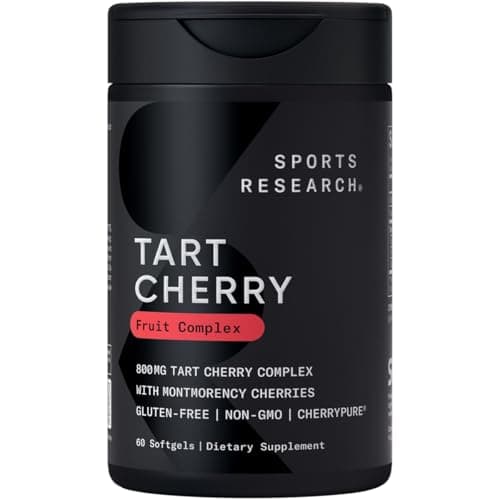
Sports Research — Sports Research Tart Cherry Concentrate (800 mg Softgels)
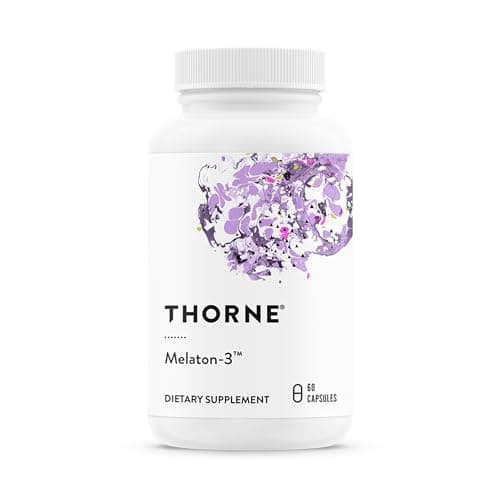
The verdict
Choose based on the problem you're actually solving. If your issue is timing — jet lag, shift work, or a delayed body clock — melatonin is the more targeted tool: take a low dose (about 0.5-3 mg) a few hours before your target bedtime, and remember it's a circadian signal, not a knockout pill, so more won't help and may just leave you groggy. If you want a gentler, food-based option, or you're an athlete looking for mild sleep support alongside recovery from hard training, tart cherry is the more fitting pick, even though its effects are milder and slower to appear. Neither addresses chronic insomnia, which is best tackled by fixing sleep hygiene first and, if it persists, seeing a clinician. This is YMYL territory: talk to your doctor before using either one during pregnancy, in children, or alongside other medications — melatonin in particular interacts with several drugs and isn't a casual choice for kids.
Side-by-side
| Attribute | Tart Cherry | Melatonin |
|---|---|---|
| What it is | Food-derived Montmorency cherry extract/juice | A hormone that signals sleep timing |
| How it works | A little natural melatonin plus anthocyanins | Circadian timing cue, not a sedative |
| Best-supported use | Recovery/soreness; mild sleep support | Jet lag, shift work, delayed sleep phase |
| Typical approach | Juice or capsules, consistently | Low dose (~0.5-3 mg), hours before bed |
| Strength of effect | Milder and slower | More targeted for timing problems |
| More is better? | No | No — higher doses aren't more effective |
| Fixes chronic insomnia? | No | No |
| Main caution | Modest evidence; sugar in some juices | Grogginess; drug interactions; kids/pregnancy |
Who should pick which
Pick Tart Cherry
- Athletes who want mild sleep support plus help with exercise-induced muscle soreness and recovery.
- People who prefer a food-derived, whole-food-aligned option over a hormone supplement.
- Those who feel groggy or 'hungover' on melatonin and want a gentler alternative to try.
Pick Melatonin
- Travelers with jet lag and shift workers who need to shift their body clock — short-term use at a low dose.
- People with a delayed sleep phase (natural night owls) trying to move their sleep earlier, using melatonin as a timing cue.
Same shelf, different mechanisms
The most important thing to understand is that tart cherry and melatonin are not two versions of the same product — they're different categories aimed at overlapping goals. Melatonin is a hormone: the exact molecule your brain releases when light fades to tell your body that night has arrived. Supplementing it is a way of sending that 'it's nighttime' signal on purpose. Tart cherry, by contrast, is a food — Montmorency cherry, taken as juice or a concentrated capsule — that happens to contain a small amount of naturally occurring melatonin along with anthocyanins, the antioxidant pigments that give the fruit its deep red color. That distinction shapes everything downstream. Because melatonin is a direct hormonal timing signal, it's more targeted and predictable for circadian problems. Because tart cherry is a whole-food source delivering only a little melatonin plus other compounds, its effects are gentler, broader, and less potent for pure timing issues — but it brings a second, unrelated benefit for exercise recovery that melatonin doesn't. Knowing which mechanism you actually need is the whole game.
Melatonin: a timing signal, not a sedative
Melatonin's real strength is fixing when you sleep, not forcing you unconscious. The NCCIH describes it as most helpful for circadian issues — jet lag, shift work, and delayed sleep phase disorder — where the problem is that your internal clock is out of sync with the clock on the wall. Used for that, it works best at low doses, roughly 0.5-3 mg, taken a few hours before your target bedtime so it nudges your rhythm earlier rather than acting as a bedtime knockout drop. Two honest points follow. First, more is not better: piling on 10 mg doesn't deepen sleep and is more likely to leave you groggy the next morning; the low-dose, correctly-timed approach is the evidence-aligned one. Second, melatonin is a weak tool for ordinary 'I can't fall asleep tonight' insomnia that isn't a timing problem — it's not a sedative and shouldn't be treated like one. It's genuinely useful, but for a specific job: resetting a clock that's in the wrong place, such as after a long flight or a swing shift.
Tart cherry: the food-based option for sleep and recovery
Tart cherry's appeal is that it's food, and it pulls double duty. On sleep, the evidence is modest but real: small studies of Montmorency cherry (as juice or concentrate) report improvements in sleep quality and duration, plausibly because it supplies a little natural melatonin plus compounds that may support its availability. Don't expect a dramatic effect — it's a gentle, whole-food nudge, slower and milder than a targeted melatonin dose. The more distinctive benefit is separate from sleep entirely: tart cherry has a recurring signal for reducing exercise-induced muscle soreness (DOMS) and aiding recovery in athletes, attributed to its anthocyanins' antioxidant and anti-inflammatory activity. That's why endurance runners and lifters sometimes use it around hard training blocks. So tart cherry fits a particular person well: someone who wants a food-derived option, values the recovery angle, and is content with mild rather than dramatic sleep support. The main practical caveats are that the sleep evidence is limited, and some cherry juices carry meaningful sugar — capsules or unsweetened concentrate avoid that.
Neither fixes real insomnia
Here's the part the marketing skips: if you have chronic insomnia — trouble sleeping most nights for weeks or months — neither tart cherry nor melatonin is the fix. Melatonin is a timing tool, not a treatment for the tangle of habits, stress, and physiology that drives persistent insomnia, and tart cherry is a mild food-based nudge at best. The first line for stubborn sleep problems is unglamorous but effective: sleep hygiene. That means a consistent sleep-wake schedule, a cool and dark room, cutting caffeine after early afternoon, getting bright light in the morning and dimming screens at night, and not lying in bed awake for long stretches. Cognitive behavioral therapy for insomnia (CBT-I) is the evidence-based first-line treatment when the problem is genuine and ongoing, and it outperforms supplements. Use tart cherry or melatonin as a small, targeted aid — jet lag, a shifting schedule, mild support during hard training — not as a substitute for the basics or for medical care. If your insomnia is persistent, see a clinician rather than reaching for another bottle.
How to choose
Pick the tool that matches your problem. If the issue is timing — you flew across time zones, you're working nights, or your body clock runs late and you want to move it earlier — melatonin is the more targeted choice: a low dose (about 0.5-3 mg) a few hours before your target bedtime, used short-term, with the expectation that it's a signal, not a sedative. If you want a food-derived option, you're an athlete who'd also value help with soreness and recovery, or melatonin leaves you groggy, tart cherry is the better fit despite being milder and slower. Some people reasonably use them for different purposes at different times. Whatever you choose, start with sleep hygiene, keep doses modest, and favor third-party-tested products. And treat this as YMYL health territory: talk to your doctor before using either during pregnancy or breastfeeding, before giving melatonin to a child, or if you take other medications — melatonin interacts with several drug classes, and 'natural' does not mean risk-free.
Frequently asked questions
It depends on the problem. Melatonin is a hormone that signals circadian timing, so it's the more targeted tool for jet lag, shift work, and a delayed body clock — used at a low dose (about 0.5-3 mg) a few hours before your target bedtime. Tart cherry is a food-derived option with milder, slower sleep support, plus a separate benefit for exercise recovery and muscle soreness. If your issue is timing, melatonin is better; if you want a gentle, whole-food option or you're an athlete who'd also value recovery support, tart cherry fits better. Neither fixes chronic insomnia — sleep hygiene comes first.
Sources
- Melatonin: What You Need To Know (melatonin is a hormone that signals sleep timing; most useful for jet lag, shift work, and delayed sleep phase; low doses; talk to a clinician about children, pregnancy, and drug interactions) — NIH National Center for Complementary and Integrative Health (NCCIH), 2022
- Melatonin for sleep — dosing guidance (start low, around 0.5-3 mg; more is not better; higher doses can cause next-day grogginess; it's a timing cue, not a sedative) — Cleveland Clinic (health.clevelandclinic.org)
- Effect of tart cherry juice (Prunus cerasus) on melatonin levels and sleep quality (Montmorency cherry associated with increased melatonin and improved sleep measures) — European Journal of Nutrition, 2012
- Tart cherry (Montmorency) — evidence overview for sleep quality and for reducing exercise-induced muscle soreness and aiding recovery via anthocyanins — Examine.com
Sports Research — Sports Research Tart Cherry Concentrate (800 mg Softgels)
$20.95 · on Amazon