The Best Supplements for Men Over 50, Ranked by the Evidence That Actually Applies After 50
The supplement aisle has a very specific idea of what a man over 50 needs, and it is mostly wrong. The shelf says testosterone booster, prostate formula, and a men's 50+ multivitamin with a silver label. The research says something less flattering and far more useful: the thing that actually changes after 50 is your muscle, and the two supplements with the best age-specific evidence are the two cheapest, least glamorous products in the store. Start with what aging does. Older adults lose muscle mass and strength, and that loss is not cosmetic — the PROT-AGE Study Group, an international geriatric-medicine panel, describes losses in physical function as predictors of loss of independence, falls, and mortality. Their position paper concluded that older adults need more protein than younger adults, not less, because the body extracts more of it in the gut and responds less to each dose. Their recommendation is at least 1.0 to 1.2 g of protein per kilogram of body weight per day for people over 65, rising to 1.2 g/kg or more for anyone exercising, with an explicit exception for severe kidney disease. For a 185-lb man that is roughly 85 to 100 g a day at the low end and more if he lifts — and that is the target the first two picks on this page exist to help you hit. Creatine is the other one, and its case at this age is unusually clean. A 2017 meta-analysis pooled 22 randomized trials with 721 participants, mean age 57 to 70, who lifted two or three days a week for 7 to 52 weeks. The group taking creatine gained 1.37 kg more lean tissue than placebo and had greater increases in both chest-press and leg-press strength. That is a supplement doing the exact job the aisle promises everything else will do, in the exact population, at a cost of a few cents a day. Note the condition, though: every one of those trials paired creatine with resistance training. Creatine in a man who does not lift is a rounding error. The rest of the list is deficiency insurance, and the honest word for all of it is test, then correct. Vitamin B12 absorption falls with age — atrophic gastritis affects 8 to 9% of adults over 65, and depending on the cutoff 3% to 43% of older adults show low B12 — which is why NIH advises older adults to get their B12 from fortified foods or supplements. Magnesium intake drops with age while absorption falls and excretion rises, and the RDA for men over 50 is 420 mg. Vitamin D's RDA is 600 IU until 70 and 800 IU after. But the big trial in this age group is a caution rather than an advertisement: the VITAL trial randomized 25,871 adults, men 50 and over and women 55 and over, to 2,000 IU of vitamin D and 1 g of omega-3 for a median 5.3 years, and neither reduced major cardiovascular events or invasive cancer compared with placebo. Omega-3's hazard ratio for major cardiovascular events was 0.92 with a P value of 0.24. That is not evidence that vitamin D and fish oil do nothing — a secondary end point in VITAL showed fewer heart attacks in the omega-3 group, and correcting a real deficiency is a different question from dosing a replete population — but it is a clear warning against buying either one as a general shield. Now the products this page deliberately leaves off. In a 2020 analysis of 50 testosterone booster supplements sold online, 90% claimed to boost testosterone; 24.8% had any published data showing an increase, 10.1% contained ingredients with data suggesting a decrease, and 13 of the 50 exceeded the FDA's upper intake level for zinc, niacin, or magnesium. If you are worried about low testosterone, that is a blood test and a conversation with a physician, not a proprietary blend. Saw palmetto, the prostate aisle's anchor, fares no better: NCCIH reports that a 2023 review of 27 studies found saw palmetto alone provides little or no benefit for the urinary symptoms of an enlarged prostate, and two NIH-funded trials — one at a standard dose, one escalating to three times the usual dose — found no improvement. Urinary symptoms after 50 deserve a doctor, not a berry extract. So this page ranks what the evidence supports for a man who trains: creatine and protein at the top, vitamin D, B12, and magnesium as tested insurance, a real multivitamin as a backstop, and fish oil last with its trial data attached. Everything on it is a smaller lever than lifting heavy, sleeping enough, and eating protein at every meal — and every product below says so on its own scorecard. This is general information, not medical advice.
Top pick
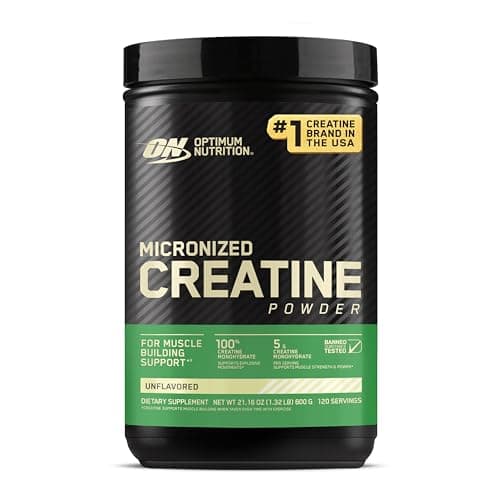
Optimum Nutrition — Creatine Monohydrate Powder (Micronized)
5g creatine monohydrate per serving, 600g tub, Creapure-grade micronized
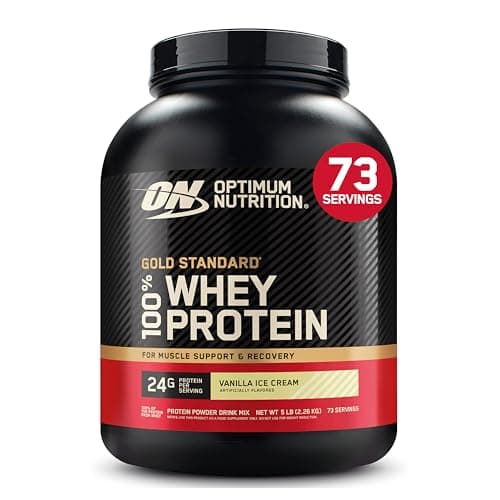
Optimum Nutrition — Gold Standard 100% Whey
At a glance
Tap a row to check price · tap a header to sort| # | Best for | Price | ||
|---|---|---|---|---|
| 1 | 1. Optimum Nutrition — Creatine Monohydrate Powder (Micronized)Best overall | Best overall | 9/10 | |
| 2 | 2. Optimum Nutrition — Gold Standard 100% WheyBest for hitting the higher protein target aging actually demands | Best for hitting the higher protein target aging actually demands | 8.6/10 | |
| 3 |  3. Thorne — Vitamin D3 + K2Best deficiency insurance | Best deficiency insurance | 8.4/10 | |
| 4 | 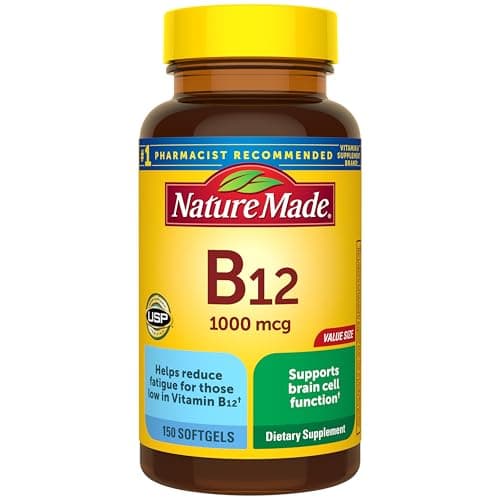 4. Nature Made — Vitamin B12 1000 mcg Softgels (150 count)Best for the absorption problem that arrives with age | Best for the absorption problem that arrives with age | 8.2/10 | $13.03$23.8945% offCheck Price for Nature Made Vitamin B12 1000 mcg Softgels (150 count) on AmazonIn Stock |
| 5 | 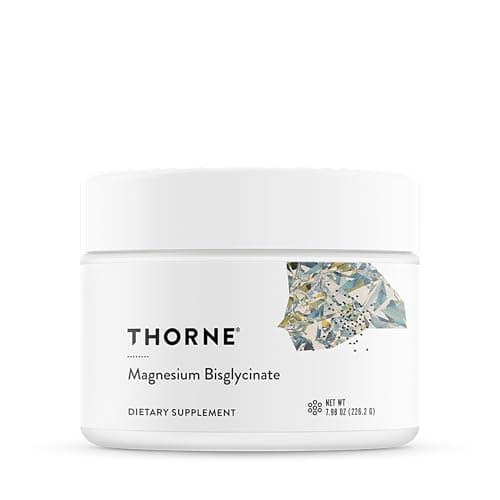 5. Thorne — Basic Nutrients Magnesium BisglycinateBest for the mineral men over 50 most reliably under-eat | Best for the mineral men over 50 most reliably under-eat | 8/10 | |
| 6 | 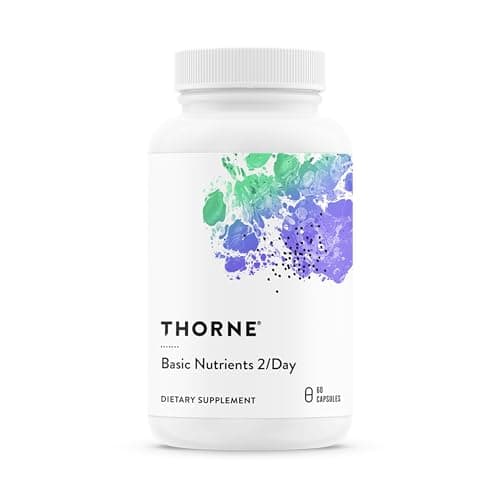 6. Thorne — Basic Nutrients 2/DayBest multivitamin backstop | Best multivitamin backstop | 7.8/10 | |
| 7 | 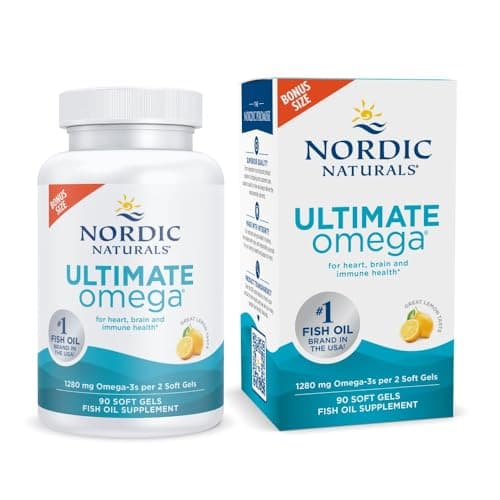 7. Nordic Naturals — Ultimate OmegaBest fish oil if you do not eat fish | Best fish oil if you do not eat fish | 7.6/10 |
Prices pulled from Amazon as of Sep 24, 2026 and are subject to change. The price shown on Amazon at checkout applies.
How we scored
Every product below is scored on six metrics, 0-10 each, with the weighting described on how we review. The criteria specific to this category:
- Evidence in this age group specifically. The bar is a randomized trial or a pooled analysis in adults over 50, not a study in 22-year-old athletes extrapolated forward. That standard is unusually kind to creatine, whose meta-analysis was built from trials with a mean age of 57 to 70, and unusually harsh on products like fish oil, whose largest trial in exactly this population came back null on its primary end points. Where the age-specific evidence is about deficiency risk rather than a performance outcome, we say so and score it as insurance rather than as a benefit.
- Dose and form matched to how the body changes after 50. Protein needs rise with age while the anabolic response to each dose falls, so a serving that delivers 25 to 40 g scores above one that delivers 15. Vitamin D is scored against the 600 IU RDA to age 70 and 800 IU after, magnesium against the 420 mg RDA for men over 50, and B12 in the free, non-food-bound form that sidesteps the absorption problem older guts develop. Megadoses are marked down, not up — several of the testosterone products excluded from this page exceeded upper intake levels.
- Label honesty. Single ingredients with printed doses beat proprietary blends every time, and this category is the proprietary blend's natural habitat: the 2020 analysis of 50 testosterone boosters found a mean of 8.3 ingredients per product, and no published data on testosterone at all for 61.5% of the products. A men's 50+ label that cannot tell you how much of each thing is inside is telling you the amounts do not matter.
- Third-party testing. Supplements are not pre-approved by the FDA, so independent verification is the only practical assurance that the capsule matches the label. We favor NSF Certified for Sport, USP Verified, Informed Choice, and IFOS — and every product on this list is either independently certified (NSF, USP, Informed Choice, IFOS) or, in the case of the creatine, a pharmaceutical-grade Creapure source — which is one reason there are seven picks rather than ten.
- Value at the dose that works. The two best-evidenced products for a man over 50 cost a few cents per serving; the least-evidenced ones on the shelf cost a dollar or more. We price the serving that produces the trial result, which is why a tub of creatine monohydrate outscores a premium multivitamin and why the fish oil on this page, excellent as it is, sits last.
What to know before buying
- Do the protein math before you buy a single capsule. The PROT-AGE panel recommends at least 1.0 to 1.2 g of protein per kilogram of body weight daily for older adults and 1.2 g/kg or more if you exercise, with an exception for people with severe kidney disease, who may need to limit protein and should follow their physician's guidance. Weigh yourself, convert to kilograms, multiply, and count a normal day. Most men over 50 who are not deliberately eating protein at every meal are short, and closing that gap with food first and a whey shake second will do more than everything else on this page combined.
- Creatine only pays off if you lift. Every trial in the meta-analysis that produced the 1.37 kg lean-mass advantage paired creatine with resistance training two or three days a week. The supplement does not build muscle; it lets your training build a little more. Three to five grams of plain creatine monohydrate a day, no loading phase required, taken whenever you remember. If you are not currently training, start there — a beginner dumbbell or kettlebell program will do more for you than the tub will.
- Test before you correct. Vitamin B12, vitamin D, and magnesium all become more likely to run low after 50 for reasons that have nothing to do with willpower — atrophic gastritis, less sun and thinner skin, falling absorption and rising excretion. But the trial evidence for dosing a man who is not deficient is weak, and in the case of vitamin D the largest trial in this age group found no reduction in cancer or cardiovascular events at 2,000 IU. Ask for 25(OH)D and B12 on your next blood panel and supplement to the result, not to the marketing.
- Walk past the testosterone boosters and the prostate blends. Of 50 testosterone booster products analyzed, only 24.8% had any published data supporting a rise in testosterone, 10.1% contained ingredients with data pointing the other way, and 13 exceeded upper intake levels for zinc, niacin, or magnesium. Saw palmetto alone showed little or no benefit for prostate urinary symptoms across a 27-study review including two NIH trials. Low energy, low libido, and urinary changes after 50 are things a physician can actually measure and treat; a proprietary blend cannot.
- Eat fish twice a week before you buy fish oil. In the VITAL trial, 1 g of omega-3 a day did not reduce major cardiovascular events or cancer in 25,871 adults over five years, though a secondary analysis showed fewer heart attacks. That points to a sensible rule: if salmon, sardines, or mackerel are on your plate twice a week, the capsule is redundant; if they never are, a well-tested fish oil is a reasonable substitute for the food you are not eating, not a drug that protects your heart.
Our picks
Optimum Nutrition — Creatine Monohydrate Powder (Micronized)
Key specs: 5g creatine monohydrate per serving, 600g tub, Creapure-grade micronized
Pros
- A 2017 meta-analysis of 22 randomized trials (721 participants, mean age 57-70) found creatine plus resistance training added 1.37 kg more lean tissue than training alone, with greater chest-press and leg-press strength gains
- That is the outcome the rest of the aisle only promises — more muscle and more strength in men of this age — and it costs a few cents a day
- Plain monohydrate, single ingredient, no blend: nothing to decode on the label
- 3-5 g a day with no loading phase; timing does not matter, consistency does
Cons
- Every one of those trials paired creatine with lifting two or three days a week — in a man who does not train it is close to inert
- Expect a small water-weight increase in the first weeks; it is intramuscular, not fat, but the scale will move
- People with kidney disease should clear it with their physician first, as with any protein or creatine intake
Optimum Nutrition — Creatine Monohydrate Powder (Micronized)
- Evidence after 5010/10
- Dose & form9/10
- Label honesty10/10
- Third-party testing8/10
- Value10/10
Optimum Nutrition — Gold Standard 100% Whey
Key specs: 24g protein / 120cal, 5.5g BCAAs, Informed Choice certified on listed batches
Pros
- The PROT-AGE position paper recommends at least 1.0-1.2 g/kg of protein daily for older adults and 1.2 g/kg or more for those who exercise — a 24 g scoop is the easiest way to close the gap a normal breakfast leaves
- Older adults show a blunted anabolic response to each protein dose, so a fast, leucine-rich whey serving of 20-40 g is the right shape of dose, not a 10 g snack
- Informed Choice testing on listed batches, a short label, and one of the lowest costs per gram of protein of any whey the site has scored
- Fits a high-protein, lower-carb pattern at 120 calories a scoop
Cons
- Food first: eggs, meat, fish, dairy, and legumes should carry the bulk of the target — this is for the gap, not the base
- Flavored SKUs carry sweeteners and flavor systems; the plain or unflavored versions keep the label cleanest
- Men with severe kidney disease are the PROT-AGE exception and should set their protein intake with a physician
Optimum Nutrition — Gold Standard 100% Whey
- Evidence after 509/10
- Dose & form9/10
- Label honesty8/10
- Third-party testing8/10
- Value9/10
Thorne — Vitamin D3 + K2
Key specs: 1,000 IU D3 + 200mcg K2 (MK-4), NSF Certified for Sport softgel
Pros
- The RDA is 600 IU through age 70 and 800 IU after, and less sun exposure and thinner skin with age make a real shortfall more likely — a 1,000 IU softgel covers the RDA with sensible headroom rather than a megadose
- NSF Certified for Sport, with both the D3 and K2 amounts printed plainly
- Correcting a measured deficiency is the legitimate use, and this dose is sized for maintenance once you know your level
Cons
- The VITAL trial gave 2,000 IU a day to 25,871 adults (men 50+) for a median 5.3 years and found no reduction in invasive cancer or cardiovascular events versus placebo — vitamin D is not a general shield
- Without a 25(OH)D blood test you do not know whether you need this or what dose; a diagnosed deficiency is usually corrected at a higher dose set by a clinician
- 1,000 IU is below the 5,000 IU bottles that dominate the shelf, which is a feature here, but it means this is not the product for someone told to correct a low result quickly
Thorne — Vitamin D3 + K2
- Evidence after 507/10
- Dose & form8/10
- Label honesty9/10
- Third-party testing10/10
- Value8/10
Nature Made — Vitamin B12 1000 mcg Softgels (150 count)
Key specs: 1000 mcg cyanocobalamin per softgel, 150 softgels (about a 5-month supply), USP Verified, gluten-free
Pros
- Atrophic gastritis affects 8-9% of adults over 65 and 3-43% of older adults show low B12 depending on the cutoff, which is why NIH advises older adults to get B12 from fortified foods or supplements — the free form here is not bound to food protein and sidesteps the acid problem
- USP Verified, single ingredient, and about six cents a day for a five-month supply
- Deficiency correction is one of the few places a supplement produces a dramatic, measurable change — in the people who are actually low
Cons
- Get tested first: NIH ODS states B12 supplementation appears to have no beneficial effect on performance in the absence of a nutritional deficit
- ODS also reports an observational finding worth knowing: in a cohort of 77,118 adults aged 50-76, long-term use of 55 mcg or more of supplemental B12 a day was associated with a higher lung cancer risk in men but not women — an association, not a proven cause, but a reason to supplement to a measured need rather than by default
- Cyanocobalamin rather than methylcobalamin, which is fine for most people and cheaper, but some prefer the methylated form
Nature Made — Vitamin B12 1000 mcg Softgels (150 count)
- Evidence after 507/10
- Dose & form7/10
- Label honesty9/10
- Third-party testing9/10
- Value9/10
Thorne — Basic Nutrients Magnesium Bisglycinate
Key specs: 135mg elemental magnesium bisglycinate, 60 capsules, NSF-certified facility
Pros
- The RDA for men over 50 is 420 mg, and NIH ODS notes older adults eat less magnesium than younger adults while absorption falls and kidney excretion rises with age — a genuine, common shortfall rather than a marketing one
- Bisglycinate is well tolerated at doses that send oxide straight through you, and 135 mg elemental per capsule is honestly labeled as elemental magnesium, not compound weight
- Made in an NSF-certified facility with a clean, short label
Cons
- Food does this job well — leafy greens, nuts, seeds, legumes, and whole grains — and a lower-carb diet that drops the last two is a common reason intake falls short
- 135 mg is a top-up, not the whole RDA; it is meant to close a gap, not replace dietary magnesium
- Men with reduced kidney function should not supplement magnesium without medical advice, because excretion is how the body keeps levels safe
Thorne — Basic Nutrients Magnesium Bisglycinate
- Evidence after 507/10
- Dose & form8/10
- Label honesty9/10
- Third-party testing9/10
- Value7/10
Thorne — Basic Nutrients 2/Day
Key specs: 2-capsule daily serving, methylfolate + methylcobalamin + MK-4 K2, NSF Certified for Sport
Pros
- If the honest mechanism for most of this page is deficiency correction, a well-built multivitamin is the cheapest way to cover several small gaps at once — including B12 in the free form older guts absorb
- NSF Certified for Sport and fully disclosed, with sensible doses rather than the megadose approach that put 13 of 50 testosterone products over an upper intake level
- No 'men's formula' theatrics: no saw palmetto, no lycopene at a token dose, no proprietary energy blend
Cons
- A multivitamin is insurance, not treatment, and a man eating protein, vegetables, and fish regularly is paying mostly for reassurance
- Two capsules a day and a premium price for the category
- Does not replace testing — it will not tell you whether your vitamin D or B12 is actually low
Thorne — Basic Nutrients 2/Day
- Evidence after 506/10
- Dose & form8/10
- Label honesty9/10
- Third-party testing10/10
- Value6/10
Nordic Naturals — Ultimate Omega
Key specs: 1,280mg combined EPA+DHA per 2-softgel serving, triglyceride form, IFOS 5-star
Pros
- If you are going to buy a fish oil, this is how to buy one: 1,280 mg of actual EPA+DHA per serving, triglyceride form, IFOS 5-star tested for purity and oxidation
- In VITAL, a secondary end point showed fewer total heart attacks in the omega-3 group (hazard ratio 0.72) — the honest case for a supplement is as a stand-in for the oily fish you are not eating
- Two softgels replace a serving of oily fish for men who will not eat sardines
Cons
- VITAL's primary result in 25,871 adults over a median 5.3 years: no reduction in major cardiovascular events (hazard ratio 0.92, P = 0.24) and no reduction in invasive cancer versus placebo — fish oil is not a heart shield
- The most expensive product on this page per day, for the weakest primary-outcome evidence
- Salmon, sardines, or mackerel twice a week make it redundant, and bring protein with them
Nordic Naturals — Ultimate Omega
- Evidence after 505/10
- Dose & form9/10
- Label honesty9/10
- Third-party testing10/10
- Value5/10
Frequently asked questions
Creatine monohydrate, on the condition that you lift. A 2017 meta-analysis of 22 randomized trials with 721 participants, mean age 57 to 70, found that creatine taken during resistance training two or three days a week produced 1.37 kg more lean tissue than training alone, along with greater chest-press and leg-press strength gains. Muscle and strength are the things that actually decline with age and predict falls and loss of independence, so this is the rare supplement doing the exact job the category promises. Three to five grams a day of plain monohydrate, no loading phase, for a few cents. Without training it does very little, so if you are not lifting yet, that is the first purchase — the creatine is the second.
Related reading
- → How much protein per day (the g/kg math for lifters)
- → How to take creatine (3-5 g, no loading needed)
- → How many days a week should you lift?
- → Creatine vs pre-workout
- → Fish oil vs krill oil
- → Best creatine supplements (monohydrate, scored in depth)
- → Best protein powders
- → Best vitamin D supplements
- → Best B12 supplements
- → Best magnesium supplements
- → Best multivitamins
- → Best supplements for muscle recovery
- → Best supplements for women over 50
Sources
- Evidence-based recommendations for optimal dietary protein intake in older people: a position paper from the PROT-AGE Study Group (Bauer J et al., J Am Med Dir Assoc 2013;14(8):542-59 — at least 1.0-1.2 g/kg/day for adults >65; ≥1.2 g/kg/day if exercising; exception for severe kidney disease) — Journal of the American Medical Directors Association, 2013
- Effect of creatine supplementation during resistance training on lean tissue mass and muscular strength in older adults: a meta-analysis (Chilibeck PD et al., Open Access J Sports Med 2017;8:213-226 — 22 RCTs, 721 participants, mean age 57-70; lean tissue +1.37 kg, 95% CI 0.97-1.76; greater chest-press and leg-press strength) — Open Access Journal of Sports Medicine, 2017
- 'Testosterone Boosting' Supplements Composition and Claims Are not Supported by the Academic Literature (Clemesha CG et al., World J Mens Health 2020;38(1):115-122 — 50 products; 90% claimed to boost T, 24.8% had supporting data, 10.1% had data showing a decrease, 61.5% no data; mean 8.3 ingredients; 13 exceeded the UL for zinc, niacin or magnesium) — World Journal of Men's Health, 2020
- Marine n-3 Fatty Acids and Prevention of Cardiovascular Disease and Cancer — the VITAL trial (Manson JE et al., N Engl J Med 2019;380(1):23-32 — 25,871 adults, men ≥50 and women ≥55, median 5.3 years; major cardiovascular events HR 0.92, 95% CI 0.80-1.06, P = 0.24; invasive cancer HR 1.03; total myocardial infarction HR 0.72) — New England Journal of Medicine, 2019
- Vitamin D Supplements and Prevention of Cancer and Cardiovascular Disease — the VITAL trial (Manson JE et al., N Engl J Med 2019;380(1):33-44 — 2,000 IU/day did not lower the incidence of invasive cancer or cardiovascular events versus placebo) — New England Journal of Medicine, 2019
- Vitamin B12 — Fact Sheet for Health Professionals (RDA 2.4 mcg; 3-43% of community-dwelling older adults deficient depending on cutoff; atrophic gastritis in 8-9% of adults 65+; older adults advised to obtain B12 from fortified foods or supplements; Vitamins and Lifestyle cohort association of ≥55 mcg/day supplemental B12 with lung cancer risk in men) — NIH Office of Dietary Supplements
- Magnesium — Fact Sheet for Health Professionals (RDA 420 mg for men 51+; older adults have lower intakes, decreased absorption and increased renal excretion) — NIH Office of Dietary Supplements
- Vitamin D — Fact Sheet for Health Professionals (RDA 600 IU ages 19-70; 800 IU over 70) — NIH Office of Dietary Supplements
- Saw Palmetto: Usefulness and Safety (2023 review of 27 studies: saw palmetto alone provides little or no benefit for BPH symptoms; two NIH-funded trials at standard and escalating doses found no improvement) — National Center for Complementary and Integrative Health
Last verified: September 21, 2026. See our editorial policy and how we review for details on scoring and update cadence. Canonical URL: https://trustedhealthgear.com/reviews/best-supplements-for-men-over-50.
Optimum Nutrition — Creatine Monohydrate Powder (Micronized)
$27.99 · on Amazon