Ritual vs Garden of Life: Which Multivitamin Is Actually Worth It?
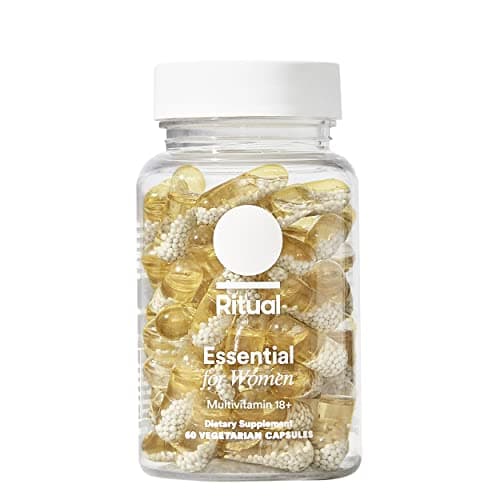
These two brands sell opposite stories about what a multivitamin should be. Ritual is a subtraction pitch: nine nutrients, no vitamin C, no calcium, no B-complex kitchen sink — just the gaps the company argues most people actually have, in forms like methylated folate and ferrous bisglycinate, delivered in two vegan capsules a day. Garden of Life is an addition pitch: Vitamin Code is a RAW whole-food formula built around a fruit-and-vegetable blend with probiotics and enzymes along for the ride, four capsules a day. Both cost roughly the same per month on Amazon, and both are a 30-day supply per bottle, so the sticker price is the monthly price. The honest tiebreaker is not which label sounds more natural — it's which one has been independently checked. Ritual's Essential for Women 18+ carries the USP Verified mark, which is a third-party confirmation that what the label says is what's in the capsule. Garden of Life leads with Non-GMO and gluten-free certifications, which speak to what is absent from the product and how it was sourced, not to whether the amounts on the panel are accurate. That distinction is the whole comparison.
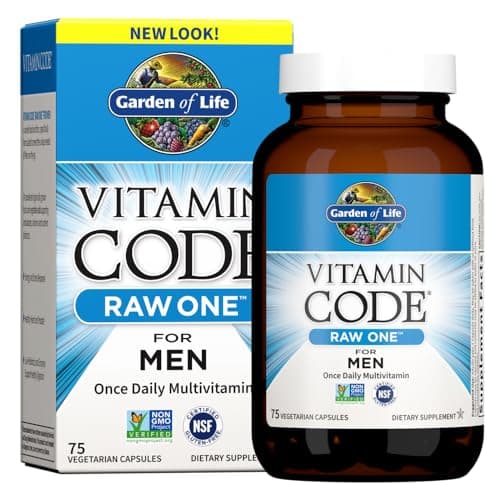
Garden of Life — Vitamin Code RAW ONE for Men
The verdict
Ritual wins this one, and it wins on verification rather than vibes. USP Verified is the strictest widely available third-party mark in the supplement aisle, and it is the only claim on either label that tells you the amounts printed on the panel were independently confirmed. Garden of Life's whole-food framing is a genuine formulation philosophy, not a scam — but 'raw' and 'food-created' describe provenance, and the powdered fruit and vegetable blend in a capsule is a token dose next to actually eating vegetables, which is where this site's whole-food-first stance really points. Pick Garden of Life if you specifically want a food-based formula with broader nutrient coverage and you don't mind swallowing four capsules a day. Pick Ritual if you want a short, honest ingredient list you can verify. And know that both are competing against cheaper USP Verified drugstore multis — a multivitamin is gap insurance, not a health strategy, and it is not the place to spend your supplement budget first.
Side-by-side
| Attribute | Ritual | Garden of Life |
|---|---|---|
| Formulation philosophy | Subtraction — nine nutrients chosen as likely dietary gaps | Addition — broad panel plus a raw fruit-and-vegetable blend |
| Daily serving | 2 vegan capsules | 4 vegetarian capsules |
| Bottle size | 60 capsules — 30 servings | 120 capsules — 30 servings |
| Third-party verification | USP Verified (label accuracy confirmed independently) | Not USP Verified — leads with Non-GMO and gluten-free marks |
| Nutrient forms | Methylated folate (6S-5-MTHF), methylcobalamin B12, ferrous bisglycinate iron, MK-7 K2, D3 from lichen | Nutrients delivered in a RAW food-created blend rather than named isolated forms |
| Extras | 330 mg vegan omega-3 DHA from microalgae | Probiotics and digestive enzymes, 23 powdered organic fruits and vegetables |
| Notable omissions | No vitamin C, calcium, or full B-complex — deliberate | No independent confirmation that panel amounts match the capsule |
| Diet suitability | Vegan | Vegetarian |
| Best described as | A verified gap-filler | A food-style broad-spectrum multi |
| Where to buy |
Prices pulled from Amazon as of October 18, 2026 and are subject to change. The price shown on Amazon at checkout applies.
Who should pick which
Pick Ritual
- Anyone who wants third-party proof the label is accurate — Ritual's Essential for Women 18+ carries the USP Verified mark, which Vitamin Code does not claim.
- People who already eat well and only want the gaps filled — vitamin D, B12, folate, omega-3 DHA, K2 — rather than a 20-nutrient panel.
- Anyone who wants methylated forms (6S-5-methyltetrahydrofolate, methylcobalamin) and chelated iron without hunting the label for them.
- People who want the lowest pill load — two capsules a day instead of four.
Pick Garden of Life
- People who specifically prefer a food-based formulation style and want broader coverage, including nutrients Ritual deliberately leaves out.
- Buyers who want probiotics and digestive enzymes bundled into the multivitamin rather than bought separately.
- Anyone who doesn't mind a four-capsule daily serving and prefers the option to open the capsules into water or a smoothie.
Two opposite bets on what a multivitamin is for
Ritual's whole design argument is that most multivitamins are padded. Rather than replicate a food label, Essential for Women 18+ contains nine nutrients: vitamin D3 at 50 mcg sourced from lichen, vitamin E as mixed tocopherols, 1,000 mcg DFE of folate as 6S-5-methyltetrahydrofolate, 8 mcg of methylcobalamin B12, 8 mg of iron as ferrous bisglycinate, 30 mg of magnesium as dimagnesium malate, 330 mg of vegan omega-3 DHA from Schizochytrium microalgae, 0.7 mg of boron, and 90 mcg of vitamin K2 as MK-7. There is no vitamin C, no calcium, no sprawling B-complex — the company's position is that those are nutrients most people already get from food, so including them is theater. Garden of Life bets the other way. Vitamin Code Men is a broad-spectrum formula built on a RAW whole-food base: a blend of powdered organic fruits and vegetables, plus probiotics and digestive enzymes, delivered across four vegetarian capsules a day. Both bets are defensible. What matters is that they lead to genuinely different products — a short list you can read in ten seconds versus a long one whose selling point is the form the nutrients arrive in — and only one of them has been independently checked against its own label.
What USP Verified actually proves — and what Non-GMO doesn't
This is the part most comparisons skip, and it's the only part that reliably separates supplement brands. The USP Verified Mark comes from the U.S. Pharmacopeia's Dietary Supplement Verification Program, which audits the manufacturing facility against USP standards and FDA Good Manufacturing Practices, reviews quality-control documentation, runs laboratory testing of samples for conformance to the quality standards in the USP–NF, and pulls product off the shelf afterward to confirm ongoing compliance. USP's own summary of what the mark means is blunt: "If it's USP Verified, consumers can trust that what's on the label is what's in the bottle." Ritual's Essential for Women 18+ carries that mark — it's stated on the brand's own site and printed in the Amazon listing title. Garden of Life does not claim it for Vitamin Code. What Garden of Life leads with instead are marks like Non-GMO Project Verified and NSF Certified Gluten-Free. Those are real certifications and they are not worthless — but read what they certify. They confirm the absence of genetically modified inputs and of gluten. Neither one tests whether the 100% Daily Value printed next to a vitamin is actually in the capsule you swallow. In an industry where the FDA does not approve supplements before sale, an independent check on potency and label accuracy is the single most useful thing a brand can buy, and it is the axis on which these two products are furthest apart.
The whole-food blend question: provenance marketing or measurable nutrition?
This site's editorial position is whole-foods-first, so the Garden of Life pitch deserves a fair hearing rather than a reflexive eye-roll. The claim is that nutrients delivered in a food matrix — grown in or bound to actual fruits and vegetables — behave differently in the body than isolated synthetic vitamins. There is a legitimate kernel here: food delivers cofactors, fiber, and polyphenols that a lone molecule doesn't, and that really is why we tell people to eat vegetables. But notice the sleight of hand when that argument is used to sell a capsule. A four-capsule daily serving cannot hold a meaningful quantity of 23 different fruits and vegetables; what fits is a powdered blend measured in milligrams, which is a rounding error against one actual serving of broccoli. The food matrix argument is an argument for eating food, not an argument for paying more for a pill that gestures at food. Whole-foods-first, applied honestly, says: build the diet first, then use a multivitamin as cheap insurance against the gaps that remain — vitamin D in winter, B12 if you don't eat animal products, folate if you might become pregnant. Judged that way, "RAW" and "food-created" are provenance marketing. They describe where the nutrients came from, which is interesting, rather than proving the product does more, which is what the price premium implies.
What the evidence says a multivitamin can and can't do
Before spending $35 a month on either of these, it's worth being clear about the ceiling. In 2022 the U.S. Preventive Services Task Force reviewed the evidence and concluded that it is insufficient to assess the balance of benefits and harms of multivitamin supplementation for preventing cardiovascular disease or cancer — an "I statement," meaning the evidence simply isn't there either way. In the same review the Task Force went further on two specific nutrients, recommending against beta carotene and vitamin E supplements for that purpose. The NIH Office of Dietary Supplements summarizes the same picture: a 2018 meta-analysis of 18 studies found multivitamin-mineral supplementation was not associated with better cardiovascular outcomes, and a 2021 meta-analysis of nine randomized trials found multivitamin use did not alter cardiovascular risk. There is one genuinely interesting positive signal, and it's about the brain rather than the heart. The COSMOS trial's cognitive sub-studies found that a daily multivitamin improved cognitive scores in older adults — COSMOS-Mind followed 2,262 participants aged 65 and up for three years, and a pooled analysis across COSMOS cognitive studies in more than 5,000 participants estimated a benefit roughly equivalent to two years less cognitive aging. That's a real finding worth watching, in older adults, from a specific trial. It is not a reason to believe a multivitamin is preventing heart disease, and it doesn't distinguish a premium brand from a drugstore one. ODS puts the boundary plainly: multivitamins "cannot take the place of the variety of foods that are important to a healthy diet."
Pill load, forms, and the practical differences you'll actually notice
Day to day, the differences you'll feel are mundane and they still matter for whether you keep taking the thing. Ritual is two capsules; Garden of Life is four. Over a month that's 60 capsules versus 120, which is a real consideration if you already take fish oil, creatine, and magnesium. Both bottles are a 30-day supply, so whatever the current Amazon price is, that's your monthly cost — no per-serving math required, and no need to be fooled by a bigger-looking bottle. On forms, Ritual makes its choices legible: methylated folate rather than folic acid, methylcobalamin rather than cyanocobalamin, iron as ferrous bisglycinate rather than the ferrous sulfate that drives most of the aisle's stomach complaints, and K2 as MK-7. If you carry an MTHFR variant or you've had GI trouble with cheap iron, those are concrete reasons to prefer it. Garden of Life's panel is broader — it covers ground Ritual deliberately skips — and the capsules can be opened and mixed into water or a smoothie, which is a genuine advantage for people who struggle to swallow pills. One thing to keep straight when you compare the buy boxes below: the two SKUs this site scored are Ritual's Essential for Women 18+ and Garden of Life's Vitamin Code Men. Both brands sell men's and women's versions, so match the formula to yourself rather than to whichever one you saw first here.
How to choose — and what both of these are really competing against
If you want one sentence: buy Ritual if verification matters to you, buy Garden of Life if the food-based formulation style matters to you, and understand that the first is an evidence-based reason and the second is a preference. But the more useful framing is to zoom out. On our multivitamin rubric, neither of these is the top pick — Thorne's Basic Nutrients 2/Day scores highest on the strength of NSF Certified for Sport status plus methylated forms, and Nature Made's USP Verified tablet scores respectably while costing a fraction per day. That last one is the uncomfortable comparison for both brands here: if the strongest argument for Ritual is that it's USP Verified, there are USP Verified multivitamins on the drugstore shelf for a lot less money. What you're paying Ritual extra for is the short ingredient list, the specific forms, the vegan DHA, and the traceability program — worth it to some people, not to everyone. What you're paying Garden of Life extra for is the whole-food formulation style. Neither premium buys you a proven health outcome, because as the USPSTF concluded, that evidence doesn't exist yet for any multivitamin. Spend accordingly: get the protein, the training, and the sleep right first, then buy the multivitamin whose label you can actually verify.
Frequently asked questions
Yes. Ritual states that Essential for Women 18+ is USP Verified on its own site, and the mark appears in the product's Amazon listing title. That matters more than most supplement claims because of what the program involves: USP audits the manufacturing facility against its own standards and FDA Good Manufacturing Practices, reviews quality-control documentation, lab-tests samples for conformance to USP–NF quality standards, and pulls product off the shelf afterward to confirm continued compliance. In USP's words, it means "what's on the label is what's in the bottle." Garden of Life does not claim the USP mark for Vitamin Code.
Related reading
Sources
- Vitamin, Mineral, and Multivitamin Supplementation to Prevent Cardiovascular Disease and Cancer: US Preventive Services Task Force Recommendation Statement (evidence insufficient for multivitamins — "I statement"; recommends against beta carotene and vitamin E — D recommendation) — JAMA 2022;327(23):2326-2333 (US Preventive Services Task Force), 2022
- Multivitamin/Mineral Supplements — Fact Sheet for Health Professionals (2018 meta-analysis of 18 studies found no better cardiovascular outcomes; 2021 meta-analysis of 9 RCTs found no altered risk; MVMs "cannot take the place of the variety of foods that are important to a healthy diet") — NIH Office of Dietary Supplements
- COSMOS trial results — cognitive sub-studies (COSMOS-Mind: 2,262 participants aged 65+ over 3 years; COSMOS-Web: 3,562 adults aged 60+; pooled analysis across cognitive studies in >5,000 participants estimated a benefit equivalent to about two years less cognitive aging) — COcoa Supplement and Multivitamin Outcomes Study (COSMOS)
- Effects of cocoa extract and a multivitamin on cognitive function: a randomized clinical trial (COSMOS-Mind) — Alzheimer's & Dementia (Baker et al.), 2023
- Dietary Supplements Verification Program — what the USP Verified Mark means ("If it's USP Verified, consumers can trust that what's on the label is what's in the bottle"; facility audits against USP standards and FDA GMP, quality-control documentation review, laboratory testing for conformance to USP–NF, and off-the-shelf testing) — U.S. Pharmacopeia (USP)
- Essential for Women Multivitamin 18+ — official product page (nutrient panel and forms: D3 from lichen, 6S-5-methyltetrahydrofolate, methylcobalamin, ferrous bisglycinate, dimagnesium malate, MK-7, 330 mg vegan omega-3 DHA from Schizochytrium; USP Verified and Non-GMO Project Verified claims; two vegan capsules daily) — Ritual
- ICYMI: Essential for Women 18+ Is USP Verified — brand statement on its USP verification — Ritual
Ritual — Essential For Women 18+
$36.98 · on Amazon