What to Pack in a Gym Bag
The short answer: five things live in the bag permanently and never come out — a water bottle or shaker, a towel, deodorant, a plastic bag or wet pocket for damp kit, and a spare pair of socks. Everything else is session-specific and gets added the night before. Build the bag that way and you stop forgetting things, because the only decisions left are about today's session rather than about the basics. Our pick for the bag itself is the Under Armour Undeniable 5.0 Duffle in medium: a separate shoe compartment and a water-resistant base are the two features that matter most, and a medium duffle is the size that fits a change of clothes, shoes and accessories without becoming a suitcase you resent carrying. The honest framing for the rest of this page is that almost everything beyond that list is optional, and most "gym bag essentials" articles are a shopping list dressed up as advice. What you actually need depends on whether you shower at the gym, whether you lift heavy, whether you travel to the gym from work, and whether your gym supplies towels. Below is the checklist that covers the common cases, the four items from our own reviews that we would put in a bag, and the hygiene routine that keeps the whole thing from smelling by Thursday.
Affiliate disclosure: Trusted Health Gear is an Amazon Associate. If you buy through links on this page, we may earn a commission at no extra cost to you. Commission does not influence our rankings. Full policy.
The five things that should never leave your bag
Start by separating permanent residents from session-specific items, because that single distinction is what stops you turning up without socks. Five things live in the bag and get replaced rather than removed. First, a water bottle or shaker — hydration is the one thing you will need in every single session regardless of what you are doing, and a shaker doubles as a protein vehicle if you use one. Second, a small towel, even if your gym provides them; a gym towel is for wiping down equipment and your face mid-set, which is a different job from a shower towel. Third, deodorant, kept in the bag rather than in your bathroom, because the one in your bathroom is not the one you need at 6pm. Fourth, a plastic bag or a bag with a dedicated wet pocket, for damp clothes and worn socks — this is the single highest-value habit in this entire article, and we come back to it below. Fifth, a spare pair of socks, which weigh nothing and solve the most common forgotten item. Everything else you pack is a decision about today; these five are decisions you make once.
Clothes, shoes and the change-of-clothes question
What you carry here depends almost entirely on one thing: whether you change at the gym or arrive already dressed to train. If you come from work, you are packing a full kit — shorts or leggings, a shirt, a sports bra if you wear one, socks and training shoes — plus whatever you need to be presentable afterwards. If you train from home and come back to shower, you can skip most of it. Shoes are the item worth thinking about rather than defaulting on. If you lift, a flat, firm sole does more for you than a cushioned running shoe, which compresses under load and makes a heavy squat feel unstable; if you run or do mixed conditioning, the opposite applies. Many people end up carrying two pairs, which is the main argument for a bag with a real shoe compartment — not because shoes are precious, but because the alternative is putting the dirty soles against your clean shirt. Pack the clothes you will actually wear rather than the ones you own: a kit that is slightly too warm or slightly too tight gets left in the bag unworn, and then you train in it anyway and resent the session.
Training accessories: what earns space and what does not
This is where gym bags get heavy for no reason, so apply one test: does it change what you can do today? Three categories pass that test for most people. Grip and hand protection is the first — gloves if calluses and point pressure bother you, chalk or liquid chalk if the bar is slipping, or lifting straps if grip is what fails before your back does on heavy pulls. A belt is the second, if you squat or deadlift near maximal loads; it does nothing for general training and it is heavy, so leave it out until your working weights warrant it. A small recovery tool is the third: a lacrosse ball or massage ball takes up almost no space and lets you work a tight glute, calf or shoulder before you train, which is worth more than most of the things people carry. What does not earn space: a full-size foam roller, which should live at the gym or at home rather than in a bag; a shaker full of pre-mixed supplements; and anything you bought for a program you are no longer running. Audit the bag monthly and take out whatever you have not used in a month.
The four things from our reviews we'd put in the bag
Every pick below is already reviewed and scored in our roundups — same products, same specs, with live Amazon prices.
| Attribute | Under Armour Under Armour Undeniable 5.0 Duffle (Medium)Our pick | BlenderBottle BlenderBottle Classic V2 (28 oz) | Harbinger Harbinger Pro Wristwrap Gloves 3.0 | Kieba Kieba Massage Lacrosse Balls (Set of 2) |
|---|---|---|---|---|
| Best for | Best overall — a tough, water-resistant duffel that survives daily abuse and carries comfortably | Best overall and best value — the wire-whisk benchmark every other bottle has to beat | Best overall — leather-palm durability with genuinely useful integrated wrist support | Best overall and best value — a firm, grippy rubber ball that does almost everything for the price of a coffee |
| Who it's for | For most people, as the bag itself: a medium duffle with a separate shoe compartment and a water-resistant base — the two features that decide whether your clean clothes stay clean and whether the bag survives a wet floor. | For the permanent-resident water and protein slot: a leak-proof shaker that actually mixes, in the 28 oz size that covers a session's water without being too tall for a side pocket. | For the lifter whose complaint is skin and point pressure rather than grip — a leather palm with integrated wrist support, and the right accessory to keep in the bag if calluses or machine handles bother you. | For the one recovery tool worth carrying: a pair of lacrosse balls weighs almost nothing, fits in a side pocket, and lets you work a tight glute, calf or shoulder before you train rather than after. |
| Key specs | Water-resistant, abrasion-tough base and body · adjustable padded shoulder strap plus grab handles · large main compartment with a couple of pockets · medium size suits most daily gym loads · long-running, well-reviewed line · sold in several sizes and colors | 28 oz capacity · stainless-steel BlenderBall wire whisk · threaded screw-on lid with locking flip cap and SpoutGuard · BPA- and phthalate-free plastic · wide mouth · measurement markings · dishwasher-safe (top rack) · carry loop | Durable leather palm · half-finger design · integrated adjustable wrist wrap · breathable 4-way stretch Lycra back · men's and women's sizing · long-standing, well-reviewed lifting-glove line | Set of two firm rubber lacrosse-style balls · standard lacrosse-ball diameter for a concentrated pressure point · high-density rubber that grips the wall and floor · marketed for myofascial release, trigger-point work, and yoga therapy · small enough to live in a gym bag · sold as a pair |
| Our score | 8.5/10 | 8.5/10 | 8.5/10 | 8.6/10 |
| Where to buy |
Prices pulled from Amazon as of October 18, 2026 and are subject to change. The price shown on Amazon at checkout applies.
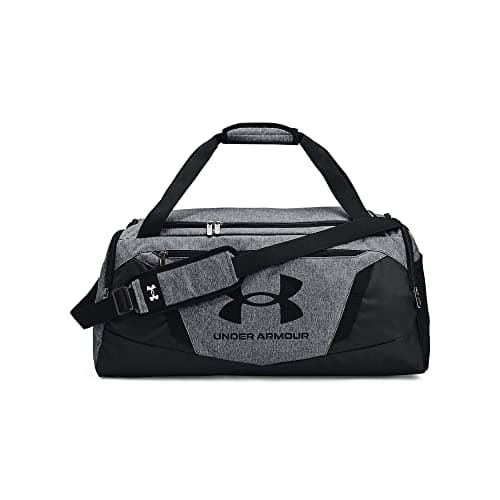
Under Armour — Under Armour Undeniable 5.0 Duffle (Medium)
For most people, as the bag itself: a medium duffle with a separate shoe compartment and a water-resistant base — the two features that decide whether your clean clothes stay clean and whether the bag survives a wet floor.
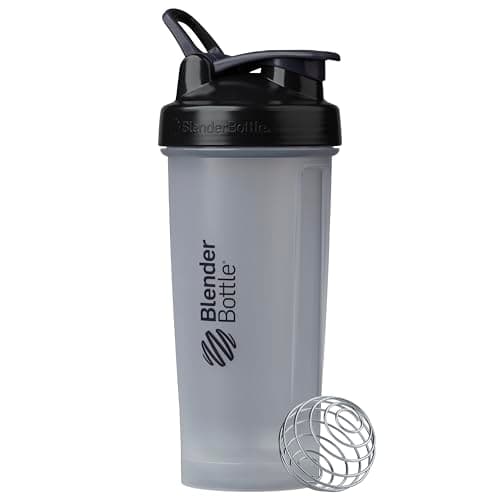
BlenderBottle — BlenderBottle Classic V2 (28 oz)
For the permanent-resident water and protein slot: a leak-proof shaker that actually mixes, in the 28 oz size that covers a session's water without being too tall for a side pocket.
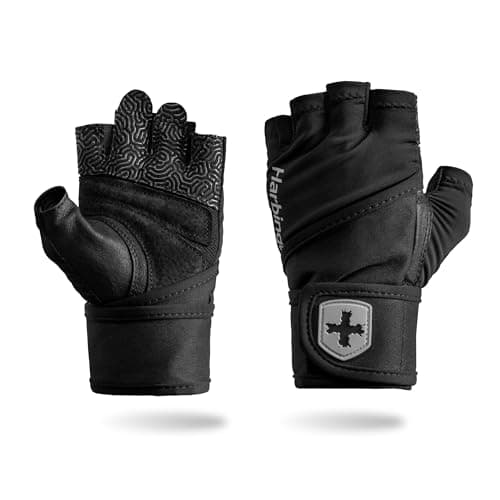
Harbinger — Harbinger Pro Wristwrap Gloves 3.0
For the lifter whose complaint is skin and point pressure rather than grip — a leather palm with integrated wrist support, and the right accessory to keep in the bag if calluses or machine handles bother you.
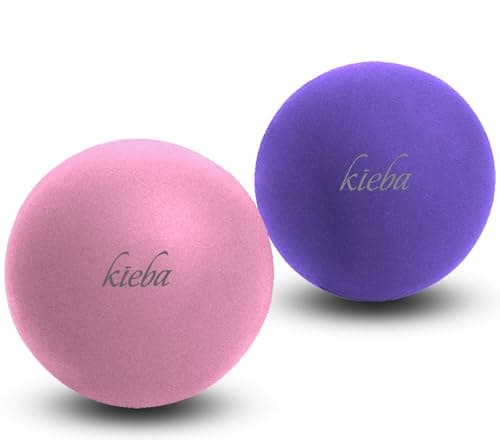
Kieba — Kieba Massage Lacrosse Balls (Set of 2)
For the one recovery tool worth carrying: a pair of lacrosse balls weighs almost nothing, fits in a side pocket, and lets you work a tight glute, calf or shoulder before you train rather than after.
Hygiene, shower kit and the items people forget
If you shower at the gym, the kit is short and specific: a full-size towel, flip-flops or shower sandals, body wash, and a small bag to carry it all wet. Shower sandals are the item most people skip and should not — communal wet floors are how plantar warts and fungal skin infections spread, and dermatology guidance on athlete's foot is consistent about not walking barefoot in locker rooms and showers. Beyond that, the forgotten-item list is predictable: hair ties, a comb, a plastic bag for wet swimwear, lip balm, a phone charger or battery pack, headphones, and a padlock if your gym uses lockers that need one. If you train before work, add whatever you need to look like you did not just train — dry shampoo, a shirt that does not crease, a second deodorant. The practical move is to keep a duplicate miniature set of toiletries permanently in the bag so you are never transferring items back and forth; travel sizes cost little and remove an entire category of forgetting.
Food, water and what to put in the shaker
Keep this simple, because gym nutrition is where people over-engineer hardest. Water in a bottle you will actually drink from is the baseline, and for sessions beyond about an hour — or in real heat — something with carbohydrate and sodium in it beats plain water, which is a question our electrolyte coverage goes into properly. A shaker earns its space if you use protein powder, and the practical version is to carry the dry powder in the shaker or a small container and add water at the gym, rather than carrying a mixed shake that separates and warms. If you train early and cannot eat beforehand, a banana or a small bar in a side pocket is more useful than any supplement. One hygiene note that matters more than it sounds: a shaker left sealed with protein residue in a warm bag for a day becomes genuinely unpleasant and hard to clean, so rinse it before it goes back in the bag, and keep the lid off while it dries. We cover shaker cleaning separately for exactly this reason.
How to stop a gym bag from smelling
Every gym bag eventually smells, and the cause is always the same: damp fabric sealed in an unventilated space at room temperature. The fix is a routine rather than a product. First, unpack the bag the same day — the wet pocket or plastic bag keeps sweat-soaked clothes away from everything else, but it does not stop them rotting, so they need to come out and go into the wash. Second, leave the bag open to dry rather than zipped shut; a zipped damp bag is a warm, humid box. Third, keep shoes in a separate compartment or a cloth bag, because footwear is the main contributor. Fourth, wash the bag itself periodically — check the label, but most polyester duffles tolerate a cold gentle cycle or at minimum a wipe-out with soapy water, dried fully open and out of direct heat. If it already smells, washing the lining is the only thing that works; sprays and odor beads cover the smell for a day and then make it worse. A bag with a water-resistant base and a true wet pocket makes all of this easier, which is why those two features rank above capacity in our gym bag reviews.
Frequently asked questions
Five permanent items and then whatever today's session needs. The permanent five are a water bottle or shaker, a small towel for equipment and sweat, deodorant, a plastic bag or wet pocket for damp kit, and spare socks. On top of that, pack your training clothes and shoes if you are coming from work, plus the accessories that change what you can do today — gloves or chalk for the hands, straps if grip fails before your back does, a belt only if you lift near maximal loads, and a lacrosse ball if you want to loosen something before training. If you shower at the gym, add a full towel, shower sandals, body wash and a padlock. Everything else is optional, and a bag audit once a month keeps it that way.
Related reading
Sources
- How to prevent athlete's foot — "Wear shower shoes, flip-flops, or sandals when walking around pools, gyms, shower or locker areas" — American Academy of Dermatology
- Calluses and corns — causes, prevention and safe self-care — American Academy of Dermatology
- American College of Sports Medicine position stand: Exercise and fluid replacement (fluid and electrolyte needs during prolonged exercise) — Medicine & Science in Sports & Exercise
- Under Armour Undeniable 5.0 Duffle — official product information (water-resistant base, shoe compartment, sizes) — Under Armour
- Product titles, capacities, compartment layouts, materials, live prices and availability for the bag, shaker, gloves and massage balls referenced — retrieved via the Amazon product data layer — Amazon product listing data, 2026
Under Armour — Under Armour Undeniable 5.0 Duffle (Medium)
$45.00 · on Amazon