How to Prevent Calluses from Lifting
The short answer: change where the bar sits in your hand, and file the calluses you already have. Those two habits prevent more damage than any product, and they cost nothing. Calluses form where skin is repeatedly pinched and sheared between the bar and the bones of your hand, and the usual cause is gripping too high — with the bar in the middle of the palm, so a fold of skin gets rolled into the knurling on every rep. Move the bar lower, onto the pad at the base of your fingers, and most of that pinching stops. Then keep the calluses you do have filed flat, because a thick raised ridge is exactly what catches and tears. If you want a product on top of that, a glove is the honest answer — our pick is the Harbinger Pro Wristwrap Gloves 3.0, a leather palm that puts a durable layer between skin and steel. Two framing notes before the detail. First, a callus is not the problem; a callus is your skin's adaptation and a thin, even one is useful. The problem is a thick ridge that tears off mid-set, which hurts for a week and keeps you out of pulling work. Second, chalk does not prevent calluses — it improves grip by drying your skin, which is a different goal and arguably works against this one. Below: the grip fix, the maintenance routine, when gloves or straps are genuinely the right call, and what to do when a callus has already torn.
Affiliate disclosure: Trusted Health Gear is an Amazon Associate. If you buy through links on this page, we may earn a commission at no extra cost to you. Commission does not influence our rankings. Full policy.
Why calluses form: it is shear, not pressure
Calluses are a normal response to repeated friction and pressure — skin thickens where it is loaded, which is why dermatology guidance describes them as a protective adaptation rather than a condition to eliminate. In lifting, the specific mechanism is shear: the bar rotates slightly in your hand under load, and any loose skin between the bar and your bones gets rolled and pinched. That is why the thickest, angriest calluses appear in a predictable line at the base of the fingers, and why they get worse with high-volume bar work — pull-ups, toes-to-bar, deadlifts, kettlebell work, barbell cycling. Pressure alone produces a thin, even, hard layer that causes nobody any trouble. Shear produces a raised, ridged callus with a lip to it, and that lip is what catches on the knurling and tears. Once you understand the distinction, the prevention strategy stops being about toughening up or padding up and becomes specific: reduce the amount of loose skin that can fold, and keep the surface flat so nothing catches.
The grip fix: where the bar should sit in your hand
This is the highest-value change on the page and it is free. Most people grip a bar high — the bar crossing the middle of the palm — which feels secure and guarantees a fold of skin gets pushed into the knurling as the bar settles. Instead, set the bar lower, so it rests across the pad at the base of your fingers rather than in the centre of your palm, then close your fingers around it. The skin over that pad is in a position where it does not have anywhere to fold. For pull-ups and hanging work the same principle applies: hang from the base of the fingers rather than letting the bar sink into the middle of the palm, and the skin stops bunching. Two supporting habits help. Reset your grip rather than letting a bar slowly migrate up your palm across a long set. And on a very thick or aggressively knurled bar, accept that some bars simply chew hands — fat grips, a different bar, or straps are reasonable answers for those sessions. None of this requires a purchase, and most people notice the difference within two weeks.
Maintenance: file them down before they tear
Calluses that stay thin and flat never tear, which makes maintenance more effective than prevention. The routine is short: after a shower, when the skin is soft, take a pumice stone, a callus file or a fine foot file and take the raised part of the callus down level with the surrounding skin. You are flattening it, not removing it — leave the thickened layer that is protecting you and remove the ridge that catches. Once a week is plenty for most people; twice if you train high volume on the bar. Then moisturise, because dry, hard skin cracks and splits where supple skin bends. Dermatology guidance on corns and calluses is consistent on two cautions worth repeating: do not cut calluses off with a blade, and if you have diabetes, poor circulation or neuropathy, let a clinician manage your feet and hands rather than doing it yourself, because a small self-inflicted wound is a much bigger problem in those cases. Do the filing on a rest day rather than the night before a heavy pulling session, since freshly filed skin is thinner than what you had before.
What we'd buy, once the grip and filing are sorted
Every pick below is already reviewed and scored in our roundups — same products, same specs, with live Amazon prices.
| Attribute | Harbinger Harbinger Pro Wristwrap Gloves 3.0Our pick | Contraband Sports Contraband Pink Label 5537 Micro Weight Lifting Gloves | Bear Grips Bear Grips Weight Lifting Gloves | Gymreapers Gymreapers Padded Cotton Lasso Lifting Straps |
|---|---|---|---|---|
| Best for | Best overall — leather-palm durability with genuinely useful integrated wrist support | Best minimalist — thin, low-profile silicone grip that keeps the most bar feel | Best for CrossFit and mixed training — compression fit with half- and full-finger options | Best overall — a padded cotton lasso that grips hard, cushions the wrist, and handles nearly every pull you will do |
| Who it's for | For the lifter who wants calluses prevented rather than managed: a leather palm is the most durable barrier between skin and knurling, and the integrated wrist wrap is genuinely useful on pressing. | For the reader who wants skin protection without dulling bar feel — a thin, low-profile glove, and the right pick if your worry is that padding will make your deadlift grip worse. | For CrossFit and high-rep bar work, where skin tears during pull-ups and barbell cycling rather than from point pressure — a compression fit built for that volume instead of thick lifting padding. | For heavy pulling specifically: straps move the load from your fingers to your wrists, so the skin at the base of your fingers is not being sheared under near-maximal weight set after set. |
| Key specs | Durable leather palm · half-finger design · integrated adjustable wrist wrap · breathable 4-way stretch Lycra back · men's and women's sizing · long-standing, well-reviewed lifting-glove line | Minimalist half-glove design · grip-lock silicone padding rather than thick foam · very low profile · touchscreen/watch-friendly · women's sizing · no wrist wrap | Compression fit for a snug, low-slip feel · half-finger and full-finger versions · breathable build for varied training · designed for functional fitness and mixed modalities · men's and women's sizing | Lasso design in durable cotton · neoprene-padded wrist cuff · 18-inch strap for two to three wraps around the bar · reinforced stitching · sold as a pair · one of the most-reviewed lifting straps on Amazon |
| Our score | 8.5/10 | 7/10 | 7.5/10 | 8.7/10 |
| Where to buy | $22.99Check Price on Amazon |
Prices pulled from Amazon as of October 18, 2026 and are subject to change. The price shown on Amazon at checkout applies.
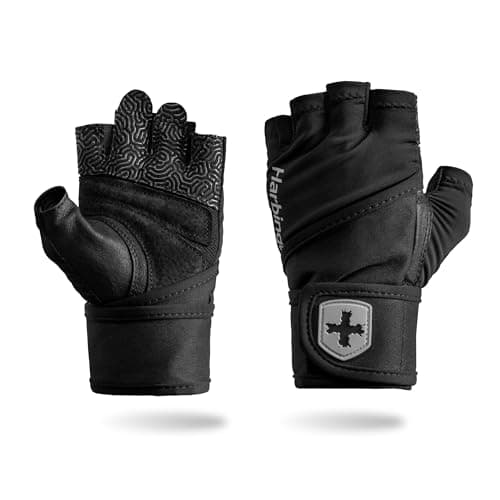
Harbinger — Harbinger Pro Wristwrap Gloves 3.0
For the lifter who wants calluses prevented rather than managed: a leather palm is the most durable barrier between skin and knurling, and the integrated wrist wrap is genuinely useful on pressing.
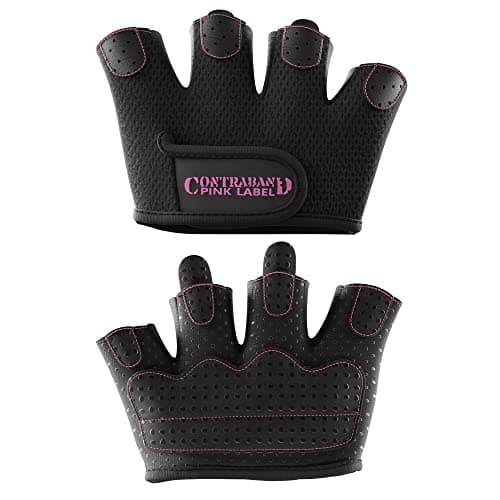
Contraband Sports — Contraband Pink Label 5537 Micro Weight Lifting Gloves
For the reader who wants skin protection without dulling bar feel — a thin, low-profile glove, and the right pick if your worry is that padding will make your deadlift grip worse.
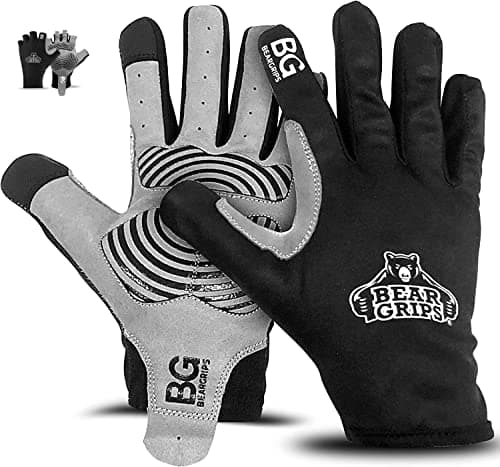
Bear Grips — Bear Grips Weight Lifting Gloves
For CrossFit and high-rep bar work, where skin tears during pull-ups and barbell cycling rather than from point pressure — a compression fit built for that volume instead of thick lifting padding.
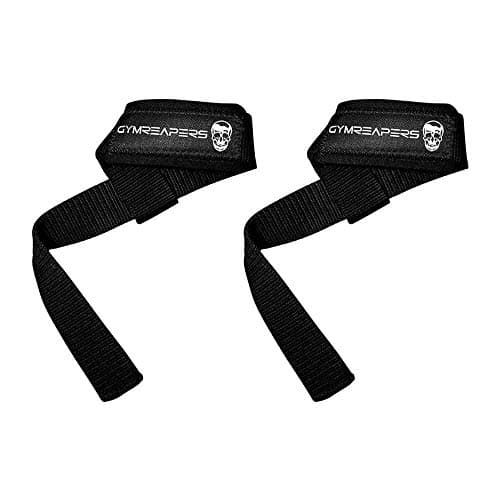
Gymreapers — Gymreapers Padded Cotton Lasso Lifting Straps
For heavy pulling specifically: straps move the load from your fingers to your wrists, so the skin at the base of your fingers is not being sheared under near-maximal weight set after set.
When gloves are the right answer
Gloves are the most effective product-based prevention, and their best-supported benefit is exactly this one: putting a durable layer between your skin and the bar stops most of the pinching and shearing that builds ridged calluses. If you do not want calluses — because of your job, an instrument you play, or simple preference — gloves are a legitimate answer and there is nothing to apologise for. Two honest caveats. First, gloves do not improve grip, and thick padding can make it worse, because barbell knurling is designed to bite into skin and padding both insulates against it and effectively thickens the handle you have to close your hand around. If your problem is a slipping bar rather than sore skin, you want chalk, not gloves. Second, protected skin stays soft: train in gloves for a year and the first high-volume bare-handed session will tear, so if you ever expect to train without them, build back gradually. For CrossFit-style high-rep bar work specifically, gymnastics grips usually beat conventional padded gloves, because they protect the tearing point while letting the bar roll.
When straps — or just changing the exercise — are better
On heavy pulling, straps are the quietly obvious answer that people skip for reasons of pride. A lasso strap takes the bar out of your fingers and transfers the load to your wrists, which means the skin at the base of your fingers is not being sheared under a near-maximal load for rep after rep. That is a legitimate use: save your hands on high-volume or heavy back work, then train grip deliberately with carries, holds and grippers when hands are the target rather than the collateral damage. The other lever is exercise selection. If a particular bar or implement reliably destroys your hands, swap it: a trap bar or dumbbells instead of a straight bar for heavy pulls, a kettlebell handle instead of a thin plate, a thicker grip to spread the load differently. And if you do a lot of hanging volume, programme it — going from zero to forty pull-ups in a session is how hands tear, no matter how good your grip position is. Progressive volume protects skin the same way it protects tendons.
What to do when a callus tears
It happens, and the first twenty-four hours matter. Stop the session — training through a fresh tear drives dirt into an open wound and makes it deeper. Wash it with soap and water, trim any loose flap of dead skin flat with clean nail scissors rather than pulling it off, which tears into live tissue, and cover it. Keeping a wound moist and covered rather than letting it dry into a hard scab is standard wound-care advice and it heals faster and more comfortably; a dab of plain petroleum jelly or an antibiotic ointment under a plaster or a hydrocolloid dressing works well. Expect three to seven days before it tolerates a bar again, and use that time for pressing, legs, machines or anything that does not load an open palm. When you do return, tape over the area, use straps or gloves for the first few sessions, and fix the thing that caused it — grip position and an unfiled ridge are the usual culprits. Signs that need a clinician rather than a plaster: spreading redness, warmth, pus, increasing pain after day two, or a wound that will not close. And if you have diabetes or poor circulation, get any hand or foot wound looked at promptly rather than self-managing it.
Frequently asked questions
Two free habits first, then a product if you still want one. First, move the bar lower in your hand — resting across the pad at the base of your fingers rather than the middle of your palm — so there is no loose skin to fold into the knurling. That single change prevents most ridged calluses. Second, file the calluses you already have flat once a week after a shower with a pumice stone or callus file, because a raised lip is what catches and tears. If you want a barrier on top of that, gloves are the honest answer and a leather palm is the most durable version. Chalk does not prevent calluses — it improves grip by drying skin, which is a different goal.
Related reading
Sources
- Calluses and corns — causes, prevention and safe self-care (do not cut them; caution with diabetes and poor circulation) — American Academy of Dermatology
- The effect of weightlifting gloves on grip strength and muscle activity during resistance exercise — PubMed / U.S. National Library of Medicine
- Effect of magnesium carbonate (chalk) on friction and grip performance — Journal of Sports Sciences
- ACSM Position Stand: Progression Models in Resistance Training for Healthy Adults (progressive volume and load context) — Medicine & Science in Sports & Exercise (American College of Sports Medicine), 2009
- Product titles, palm materials, strap designs, live prices and availability for the gloves and straps referenced — retrieved via the Amazon product data layer — Amazon product listing data, 2026
Harbinger — Harbinger Pro Wristwrap Gloves 3.0
$24.25 · on Amazon