Chalk vs Liquid Chalk: Which Grip Aid Wins?
Loose or block chalk and liquid chalk are the same active ingredient — magnesium carbonate — doing the same job: soaking up sweat so your hands grip the bar. The difference is how it is delivered. Traditional chalk is dry powder, either a solid block you crush or a loose tub you dip into. It is the cheapest option, gives the most immediate raw friction, and is what most powerlifters and Olympic lifters reach for on heavy pulls. The downside is dust and mess — chalk gets on everything, and that airborne powder is exactly why many commercial gyms ban loose chalk outright. Liquid chalk is that same magnesium carbonate suspended in alcohol. You squeeze a little onto your palms, rub it in, and the alcohol flashes off in ten to twenty seconds, leaving a thin, even chalk layer with almost no dust. It makes far less mess, tends to last several sets before you reapply, and slips past most gym chalk bans, which makes it great for commercial gyms and travel. The catches are a higher cost per use, a drying feel on the skin, and that short wait for it to dry. Neither is a medical product.
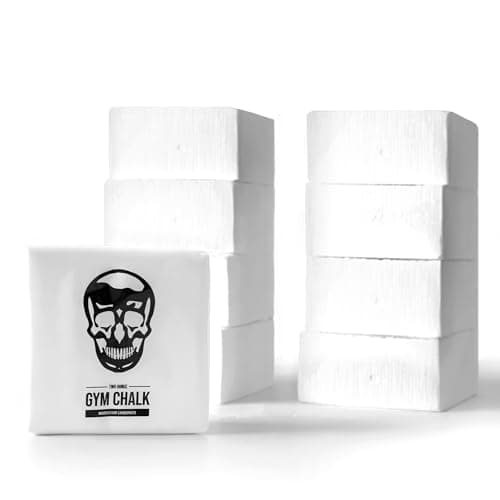
Gymreapers — Gymreapers Gym Chalk (8 x 2oz Blocks)
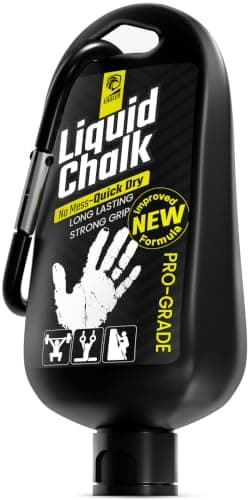
The verdict
For most people the honest answer is simple: pick liquid chalk if your gym restricts loose chalk or you travel, and loose or block chalk if you train in your own space and want maximum grip for the least money. Liquid chalk wins on mess, portability, and staying power per application — one rub-in lasts several sets and leaves the equipment clean, which is why it sails past commercial-gym bans. Loose block chalk wins on raw friction and cost; nothing beats a fresh coat of dry powder for a maximal deadlift, and a single block lasts a home lifter months. The trade-offs are real: liquid can dry your skin and needs a short moment to set, while loose chalk clouds the air and gets banned. A lot of serious lifters keep both — liquid for the commercial gym and travel bag, a tub of loose chalk for heavy days at home.
Side-by-side
| Attribute | Block/Loose Chalk | Liquid Chalk |
|---|---|---|
| Active ingredient | Magnesium carbonate, dry powder | Magnesium carbonate suspended in alcohol |
| Raw grip / friction | Highest — best immediate friction | Very good, slightly less than fresh dry chalk |
| Mess and dust | High — airborne powder, gets everywhere | Very low — thin coat, almost no dust |
| Gym-friendliness | Often banned in commercial gyms | Usually allowed where loose chalk is banned |
| Longevity per use | Reapply often, sometimes every set | Lasts several sets per application |
| Cost per use | Cheapest — a block lasts months | Higher per application |
| Application | Instant — rub on and lift | Rub in, wait roughly 10-20s to dry |
| Best for | Home gyms, max grip, budget | Commercial gyms, travel, low mess |
Who should pick which
Pick Block/Loose Chalk
- Home and garage-gym lifters on a budget who want the most raw grip for the least money and do not mind dust.
- Powerlifters and strongman athletes chasing maximum friction on heavy deadlifts and pulls in a chalk-friendly space.
- Lifters who prefer a quick fresh coat between sets and train somewhere that mess is not an issue.
Pick Liquid Chalk
- Commercial-gym members whose gym bans or restricts loose chalk and needs a low-dust, ban-friendly option.
- Travelers and competitors who want grip in a small, spill-resistant bottle that will not powder a gym bag.
- CrossFitters and high-rep lifters who want a thin coat that lasts several sets without constant reapplication.
Same chalk, two delivery systems
Strip away the marketing and both products are magnesium carbonate, the drying agent lifters have used for a century to fight sweaty hands. The only real difference is how it gets onto your skin. Traditional chalk is the dry form: a compressed block you break and rub, or loose powder in a tub or ball you dip into. It coats your hands instantly and you top it up whenever your grip feels slick. Liquid chalk takes that same powder and suspends it in alcohol, usually ethanol, sometimes with a little thickener or rosin. You squeeze a coin-sized amount into your palm, rub it across both hands, and the alcohol evaporates in a few seconds, leaving behind a thin, even film of dry chalk that clings better than a hasty dusting of powder. So the active grip ingredient is identical — what you are really choosing between is a fast, cheap, dusty application and a cleaner, longer-lasting, slightly slower one. Everything else in this comparison flows from that single difference in delivery, not from any difference in what the chalk itself does.
Grip and friction: does liquid lose anything?
On pure friction, fresh dry chalk has a slight edge, but the gap is smaller than people assume. Both forms absorb moisture and boost grip well above bare, sweaty hands. Research using magnesium carbonate on demanding grip tasks shows clear improvements in how long lifters can hold on, and comparisons suggest dry chalk edges out liquid for peak grip while liquid still delivers a large share of the benefit. The reason dry powder feels grippiest is that you can pile on a thick, fresh coat right before a maximal effort — handy for a one-rep deadlift where every bit of friction counts. Liquid chalk lays down a thinner, more uniform layer that bonds to the skin, so it does not feel as heavy but stays put across multiple sets without reapplying. For the vast majority of training — squats, presses, rows, pull-ups, moderate deadlifts — the difference is not something most lifters notice. Only at true maximal grip demands does dry chalk's ability to reapply a thick coat mid-session give it a practical, if modest, advantage over liquid.
Mess, dust, and why gyms ban loose chalk
This is where liquid chalk earns its keep. Loose and block chalk create dust — it drifts off your hands, settles on benches and floors, coats plates and bars, and hangs in the air. That mess is not just annoying; the airborne powder is the specific reason so many commercial gyms ban loose chalk, posting signs and stocking only approved alternatives. Liquid chalk almost eliminates the problem. Because it goes on wet and dries as a thin bonded film, there is very little to flake off, so equipment stays clean and the air stays clear. That low-dust profile is exactly why liquid is the go-to workaround in chalk-restricted gyms, and why it travels well — a sealed bottle will not powder the inside of your bag the way a cracked block or open tub can. The alcohol carrier also acts as a mild sanitizer as it dries, a small bonus in shared spaces. If your gym has rules about chalk, or you simply do not want to clean powder off everything, liquid is the obvious pick.
Cost, longevity, and skin feel
Money and comfort split the two the other way. Dry chalk is dramatically cheaper per use — a single block or a one-kilogram tub costs only a few dollars and can last a home lifter six months to a year of regular training. Liquid chalk costs more up front and more per application, since each squeeze is a metered dose you cannot stretch the way you can a block. On longevity within a session, though, liquid flips the math: one rub-in typically lasts several sets, while loose chalk often needs topping up every set or two, so the real-world gap in cost narrows. Skin feel is the other trade. The alcohol in liquid chalk can dry out and occasionally irritate hands over time, and some lifters dislike the tight, squeaky feel, whereas dry chalk is gentler on the skin for most people. You also have to wait ten to twenty seconds for liquid to dry before gripping the bar — trivial once you are used to it, but a real step that dry chalk skips entirely.
Which to buy for your gym and goals
Match the chalk to where and how you train. If you own your space — a home or garage gym — and want the most grip for the least money, buy a block or a tub of loose chalk and do not overthink it; the mess does not matter and the raw friction is excellent for heavy deadlifts and pulls. If you train at a commercial gym, especially one that restricts chalk, buy liquid chalk: it is low-dust, ban-friendly, and keeps you and the equipment clean. Travelers and competitors benefit from liquid too, since a sealed bottle is far tidier in a bag than a crumbling block. Plenty of serious lifters simply keep both — a bottle of liquid for the commercial gym and travel, and a tub of loose chalk for heavy home sessions where they want maximum grip. Whichever you choose, this is grip gear, not a supplement or medical product; if the alcohol in liquid chalk dries or irritates your skin, wash your hands after training and switch back to dry chalk.
Frequently asked questions
For almost all training, yes — close enough that most lifters cannot tell the difference. Both are magnesium carbonate that dries your hands and boosts grip well above bare skin. Dry chalk has a slight edge at true maximal efforts because you can pile on a thick, fresh coat right before a heavy single, and research suggests it edges liquid for peak grip. But liquid lays down a thin, even layer that lasts several sets and stays put. For squats, presses, rows, and moderate pulls, liquid grips plenty; only a maximal deadlift really rewards dry chalk's thicker coat.
Sources
- Effect of Magnesium Carbonate Use on Repeated Open-Handed and Pinch Grip Weight-Assisted Pull-Ups (measured how chalk changes grip endurance) — International Journal of Exercise Science (via PubMed Central / NIH), 2018
- The 7 Best Lifting Chalks On The Market: loose, block, and liquid chalk compared for grip, mess, and value — BarBend
- Should You Switch to Liquid Chalk? — dust, gym bans, longevity, and when liquid makes sense — BarBend
- Gym Chalk and Liquid Chalk reviews — hands-on testing of dry vs liquid chalk for grip and mess — Garage Gym Reviews
Gymreapers — Gymreapers Gym Chalk (8 x 2oz Blocks)
$19.99 · on Amazon