How to Clean a Water Bottle & Shaker Cup (and Kill the Smell)
Clean a reusable water bottle or shaker cup every day, not once in a while. After each use, empty it and give it a hot-water rinse; at the end of the day, wash it with hot soapy water and a bottle brush, take the lid apart, and scrub the spout and the rubber gasket where residue hides. Once a week, deep clean it by soaking with baking soda and vinegar (used separately) to break down buildup and kill odor. The single most important step is drying: let every part air-dry completely with the lid off before you reassemble it, because a sealed, damp bottle is exactly what grows mold and the funky smell. Protein and sugary drinks demand more diligence than plain water, since the residue feeds bacteria fast. Do this and a good bottle lasts for years; skip it and even an expensive one turns into a smelly biohazard within weeks.
Affiliate disclosure: Trusted Health Gear is an Amazon Associate. If you buy through links on this page, we may earn a commission at no extra cost to you. Commission does not influence our rankings. Full policy.
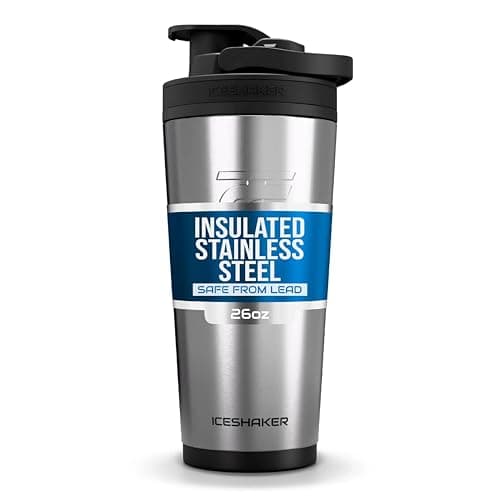
Ice Shaker — Ice Shaker Insulated Stainless Steel (26 oz)
Best odor- and stain-proof build — stainless steel for anyone whose plastic bottles always start to smell
Why daily cleaning actually matters
A water bottle is warm, wet, and dark inside, and your mouth adds bacteria every time you drink — which makes it a small incubator. Leftover protein, electrolyte powder, juice, or sugary drinks are food for those bacteria, and within a day or two they can form a biofilm: a slippery, invisible layer that clings to the plastic and physically shields the microbes from a quick rinse. That biofilm is what makes an old shaker smell no matter how many times you swish water through it, and it's why health experts and public-health guidance consistently recommend washing reusable bottles daily and sanitizing them weekly. Studies swabbing used bottles routinely turn up bacteria including E. coli, Staphylococcus, and other species that can cause stomach upset or infections, plus mold. None of this is a reason to panic — it's a reason to build a thirty-second daily habit. Plain water is the most forgiving; protein shakes and anything with sugar are the fastest to turn, so treat those bottles with extra urgency.
The daily wash routine
The everyday routine is simple and takes under a minute once it's a habit. Right after you finish a drink — especially a protein shake — empty the bottle and rinse it with hot water so residue never has a chance to dry into a crust. Then, at the end of the day, do a proper wash: fill the bottle partway with hot water and a drop of dish soap, and scrub the inside with a bottle brush that reaches the bottom and sides. Don't just wash the body — the lid, the drinking spout, the threads, and any straw are where funk actually lives, so wash those every time too. Rinse thoroughly with clean water until there's no soapy film, because leftover soap tastes bad and can upset your stomach. For a shaker with a wire whisk ball, drop the ball in the soapy water and swish it clean; for a ball-free vortex or agitator bottle, make sure to scrub the mixing surface. The goal is that nothing organic gets left behind to feed bacteria overnight.
Get into the lid, spout, and gasket — the parts everyone skips
The dirtiest part of almost any bottle is the part people never take apart. Most leak-proof lids hide a removable silicone gasket or O-ring that seals the cap, and residue and mold love to collect in the groove behind it — out of sight, and untouched by a normal rinse. Pop that gasket out with a fingernail or a small tool and wash both the gasket and the channel it sits in, then dry both before you put it back. Flip-top spouts, straw lids, and snap caps have their own crevices and hinges; a small detail brush, an old toothbrush, or a pipe-cleaner-style straw brush gets into them where a big bottle brush can't. A dedicated bottle-brush set with a large brush, a small tip brush, and a straw brush is worth the few dollars — it's the difference between a bottle that looks clean and one that actually is. If your lid has a lot of tiny parts and you keep finding gunk, that's a sign to clean it more often or consider a simpler design next time.
The weekly deep clean: baking soda and vinegar
Once a week — and any time a bottle starts to smell — do a deep clean to break down buildup and sanitize. Two cheap kitchen staples handle it, used separately (not mixed together, since combining them just fizzes into salty water and cancels out). Option one: fill the bottle with warm water, add a tablespoon or two of baking soda, cap it, shake, and let it soak for a few hours or overnight; baking soda is mildly abrasive and a natural deodorizer that lifts residue and neutralizes smells. Option two: fill it with a solution of equal parts white vinegar and water, let it sit for 15-30 minutes (or overnight for a bad case), then scrub and rinse well; vinegar's acidity helps kill microbes and cut buildup. You can also use a diluted dish-soap-and-hot-water soak, or dedicated bottle-cleaning tablets, which are essentially a convenience version of the same idea. Whichever you use, follow with a thorough hot-water rinse and a good scrub of the lid and gasket, then dry everything fully. For stainless bottles, avoid harsh bleach and abrasive pads that can damage the finish — baking soda or vinegar is gentler and works.
Killing the funky shaker and protein smell
The classic protein-shaker stink is bacteria feeding on leftover whey, and beating it is more about prevention than any magic cleaner. The number-one rule: never let a used shaker sit closed with milk or protein residue in it — that warm, sealed, high-protein environment is the worst case, and a few hours in a gym bag is all it takes to start the smell. Rinse it the moment you're done, before the residue dries. If a bottle has already gone sour, deep-clean it: an overnight soak with baking soda (a couple of tablespoons in warm water) is the most reliable deodorizer, and a follow-up vinegar soak tackles anything left. Take the lid fully apart and clean the gasket, since that hidden groove is often the real source of the smell. Then dry it completely with the lid off. If you've scrubbed, soaked with baking soda and vinegar, replaced or deep-cleaned the gasket, and the smell still won't leave, the odor has penetrated the plastic — and that's your cue to replace it rather than keep fighting it.
Dishwasher vs. hand-wash, and drying so mold never starts
Most plastic shaker bottles are top-rack dishwasher-safe, which is the easiest way to get a hot, thorough clean — just disassemble everything first (body, lid, gasket, whisk ball, straw) so water reaches every surface, and keep small parts secure so they don't fall onto the heating element. Insulated stainless bottles are usually the exception: the vacuum seal and finish can be damaged by dishwasher heat, so most are hand-wash only — check the manufacturer's guidance. Whether you machine- or hand-wash, the step that actually prevents mold is drying. Mold and bacteria need moisture, so a bottle capped while still damp is a bottle you're breeding germs in. Air-dry every part fully and separately, with the lid off and the gasket removed, ideally upside down on a drying rack or a bottle-drying stand so water drains and air circulates. Only reassemble and store it once everything is bone dry. Leaving the cap off between uses is the simplest, most underrated habit for a bottle that never smells.
When to replace a bottle instead of cleaning it
Cleaning solves most problems, but some bottles are past saving, and using a damaged one is a hygiene risk. Replace it when you see cracks, deep scratches, or crazing in the plastic — those grooves harbor bacteria you can't fully scrub out, and cracks can leak or harbor mold. Replace it if the plastic has clouded badly or holds a smell that survives a full baking-soda-and-vinegar deep clean and a gasket cleaning; once odor penetrates the material, it's not coming out. Worn, torn, or permanently discolored gaskets that no longer seal should be replaced — many good brands sell replacement lids and gaskets, which is cheaper and greener than a whole new bottle, so check before tossing it. For stainless bottles, replace if the interior lining is chipped or the insulation fails (it stops keeping drinks cold). And any bottle with visible mold you can't completely remove from every crevice should go. A quality bottle you clean and dry daily can last for years; the point of replacing is to retire the one that's become a health liability, not to chase upgrades.
Ice Shaker — Ice Shaker Insulated Stainless Steel (26 oz)
Frequently asked questions
Wash it every day if you use it daily. Rinse with hot water right after each use, do a full wash with hot soapy water and a bottle brush at the end of the day, and deep-clean or sanitize it about once a week. Protein shakers and any bottle used for sugary drinks need even more diligence, because the residue feeds bacteria fast — rinse those immediately and never let them sit closed with shake residue inside. Plain-water bottles are more forgiving but still benefit from a daily wash and weekly sanitize.
Related reading
Sources
- How to Keep Your Water Bottle Clean and Safe (daily washing, weekly sanitizing, drying, biofilm) — University Hospitals, 2026
- How often you should wash your reusable water bottle (daily wash, bacteria and mold risk, cleaning steps) — Nuvance Health
- What's Living In Your Water Bottle? (biofilm, bacteria found on used bottles, cleaning and drying) — University of New Hampshire Extension, 2025
- Cleaning Reusables — washing and sanitizing reusable bottles and containers — Purdue University Extension, 2021
- Study on bacteria harbored by reusable water bottles (germs on bottle surfaces, importance of regular cleaning) — NSF International
Ice Shaker — Ice Shaker Insulated Stainless Steel (26 oz)
$34.99 · on Amazon