How to Clean and Maintain Your Home Gym Equipment
Home gym gear is a long-term investment, and a few minutes of upkeep keeps it working and rust-free for decades. The essentials: brush your barbell's knurling with a dry nylon brush and wipe the shaft with a light oil to stop rust, and spin the sleeves so they keep rotating. Wipe down dumbbells, kettlebells, and plates after sweaty sessions. Clean bench upholstery with mild soap and water — never harsh solvents. Keep resistance bands out of direct sun and dust them with cornstarch. Check cables and pulleys for fraying, and re-torque the bolts on your rack. Run a quick weekly wipe-down and a deeper monthly inspection, and your equipment will outlast the trends instead of rusting in a corner.
Affiliate disclosure: Trusted Health Gear is an Amazon Associate. If you buy through links on this page, we may earn a commission at no extra cost to you. Commission does not influence our rankings. Full policy.
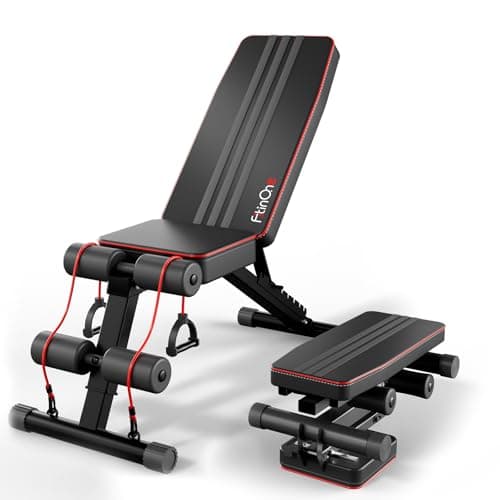
FitinOne — FitinOne Adjustable Weight Bench
Best budget — a fast-folding incline/decline bench for building out a starter home gym cheaply
Why upkeep pays off
Buying quality gear is only half the job — owning it well is the other half. Home equipment lives in garages and basements where humidity, sweat, chalk, and temperature swings quietly do damage. Sweat is salty and corrosive, chalk is abrasive and holds moisture, and a barbell left untouched in a damp garage can show surface rust within weeks. The good news: maintenance is cheap and fast. A nylon brush, a bottle of light oil, mild soap, a rag, and a hex or torque wrench cover almost everything you own. Spending five minutes after a session and a half hour once a month is the difference between gear that looks new in ten years and gear you're replacing in two. Treat it the way you'd treat a good tool — clean it, keep it dry, keep the hardware tight — and it keeps earning its keep.
Barbell care: knurling, rust, and sleeves
The barbell needs the most attention because bare steel rusts and the knurling traps chalk and skin. After chalky or sweaty sessions, run a dry nylon brush along the knurling — bristles down into the grooves — to clear out packed chalk and grime; never use steel wool or a wire brush, which strip the finish. Every week or two, wipe the shaft with a rag lightly dampened with a thin machine oil (3-in-1, mineral oil, or a dedicated barbell oil), then wipe off the excess. That thin film displaces moisture and prevents rust without leaving the bar slippery. Spin the sleeves regularly and listen for grit or drag; if they slow down, a few drops of oil where the sleeve meets the shaft usually restores the spin. Store the bar off the floor, ideally in a rack, away from bare concrete that wicks up moisture.
Dumbbells, kettlebells, and plates
These are lower-maintenance but not maintenance-free. Wipe down dumbbells, kettlebells, and the handles of plates after sweaty sessions — sweat left on cast iron or chrome breeds rust and grime. A rag with a little mild soapy water handles most of it; dry them afterward. Cast-iron kettlebells and bare-iron plates benefit from the same light-oil treatment as a barbell if you train in a humid space, especially on the handle and horns where your hands live. For adjustable dumbbells, keep the selector mechanism and rails clean and free of chalk dust, since grit is what gums up the moving parts and makes plates rattle or stick. Check that locking collars, pins, and dials still engage firmly — a loose plate mid-rep is how equipment and toes get damaged. Rubber-coated and urethane weights just need a wipe; don't soak them. If you store weights on a rack or tree, keep the heaviest plates and bells low and give everything a quick visual pass now and then for chips, cracks, or a loosening handle — catching a hairline crack in a cast handle early is far cheaper than replacing the bell after it fails.
Benches and upholstery
A bench's weak point is the vinyl upholstery, which cracks and dries out when it's neglected. Wipe the pad down after each use — sweat soaks in and degrades the material and the stitching over time. For a deeper clean, use mild soap and warm water on a soft cloth, then wipe it dry. Avoid harsh solvents, bleach, alcohol wipes, and abrasive cleaners; they strip the vinyl's protective coating and cause it to crack and peel far faster than sweat ever would. Once in a while, check the frame bolts and the adjustment mechanism — the hinges and the ladder that set the incline take real load and can work loose. A drop of oil on squeaky pivots keeps them moving. Store the bench somewhere dry and out of direct sunlight, since UV and heat also bake and crack upholstery over time, even if you never spill a drop of sweat on it.
Mats, flooring, and rack bolt checks
Rubber mats and flooring protect your floor and your weights, but they trap dust, chalk, and moisture underneath. Sweep or vacuum them regularly and mop with a little mild soap and water; skip harsh degreasers, which can break down some rubber. Every so often, lift the mats and let the floor beneath dry out, especially in a garage or basement, so trapped moisture doesn't rust whatever sits on top. Your rack or power cage deserves a periodic bolt check: bolted-together racks loosen slightly as they're loaded and unloaded, so go around monthly with a wrench and re-snug every bolt — better yet, use a torque wrench to the manufacturer's spec. Inspect the J-cups, safety arms, and their plastic or UHMW liners for wear, and confirm the rack sits level and stable. A wobbly rack is a safety issue, not a cosmetic one.
Resistance bands and cable machines
Elastic and cable gear fails from the inside, so inspect it before you trust it. Resistance bands and tubing degrade in heat and UV — keep them out of direct sunlight and off hot concrete, and store them in a drawer or bin rather than draped over a rack. If they get tacky or start sticking to themselves, dust them lightly with cornstarch (not talc) to keep the latex from bonding and cracking. Check bands for nicks, thin spots, and cloudiness before loading them, since a band that snaps under tension can whip back and hurt you. On cable machines and functional trainers, run a rag along the cable to feel for fraying, burrs, or kinks, and replace a frayed cable rather than risking it. Confirm the pulleys spin freely and quietly; a squeal or a stiff pulley usually means grit or a dry bushing that needs attention.
A simple weekly and monthly schedule
You don't need a spreadsheet — just a rhythm. After each session: wipe down whatever you sweated on, especially bench pads and dumbbell handles, and rack everything so nothing sits on damp concrete. Weekly: brush the barbell knurling, spin-check the sleeves, wipe down bars and bells, and sweep the mats. Monthly: give the barbell shaft a light oil, re-torque the rack bolts, inspect cables and bands for wear, check bench and collar hardware, and lift the mats to let the floor breathe. Twice a year: a deeper clean and a full hardware pass — every bolt, every pulley, every locking mechanism. Keep the whole kit in one place — nylon brush, oil, rag, mild soap, and a wrench — so upkeep takes minutes instead of becoming a project. It also helps to jot the date of your last oiling and bolt check somewhere, so you're not guessing whether it's been three weeks or three months. Gear that's maintained on a schedule almost never surprises you with a failure mid-lift, and it holds its resale value far better if you ever upgrade.
Frequently asked questions
Keep it dry and lightly oiled. Brush chalk out of the knurling with a dry nylon brush, then wipe the shaft with a thin machine oil (3-in-1, mineral, or barbell oil) every week or two and wipe off the excess. Store the bar in a rack, off damp concrete, and rust rarely gets a foothold.
Related reading
Sources
- Barbell Care and Maintenance Guide — Rogue Fitness
- Barbell Maintenance and Rust Prevention — Rep Fitness
- Resistance Band and Tubing Care Instructions — TheraBand
- Weight Bench and Vinyl Upholstery Care — Titan Fitness
FitinOne — FitinOne Adjustable Weight Bench
$59.98 · on Amazon