When to Replace Your Home Gym Gear (and When Not To)
The honest rule is simple: replace anything that could fail under load, and maintain almost everything else. Rubber and fabric wear out — resistance bands, lifting straps, wrist wraps, and knee sleeves are consumables, and a band with a single nick or a strap with frayed stitching gets retired immediately, because failure means a snap to the face or a barbell on the floor. Iron and steel rarely need replacing — a barbell that spins rough or shows surface rust wants cleaning and oil, not a credit card. Mats and foam rollers get replaced when they pack down flat and stop protecting or supporting. When in doubt on anything that bears weight overhead, err toward replacement.
Affiliate disclosure: Trusted Health Gear is an Amazon Associate. If you buy through links on this page, we may earn a commission at no extra cost to you. Commission does not influence our rankings. Full policy.
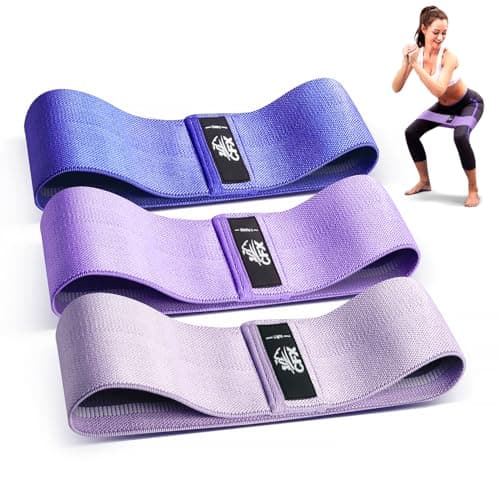
CFX — CFX Booty Bands (3-Level Set)
Most versatile budget set — a low-cost non-slip fabric kit that covers glutes plus Pilates and full-body home work
The one rule: does it fail under load?
Every replace-or-keep decision comes down to one question: if this piece fails mid-rep, does anything bad happen? Gear that holds tension or bears weight — bands stretched toward your face, straps anchoring you to a loaded bar, sleeves and wraps under a heavy lift — is safety equipment, and safety equipment gets replaced at the first sign of failure, not when it finally breaks. Gear that just sits there taking load — barbells, plates, kettlebells, racks — almost never needs replacing; it needs cleaning and the occasional bolt check. The mistake people make is treating both categories the same: babying an indestructible barbell while stubbornly training on a band that's visibly cracking. Sort your gear into 'fails dangerously' and 'basically permanent,' inspect the first group often, and you'll spend money only where it actually buys you safety.
Resistance bands: retire at the first nick
Rubber is a consumable, full stop. Latex and TPE bands degrade with every stretch, and heat, sunlight, sweat, and chalk speed it along. Inspect a band before loading it: stretch it in good light and look for micro-tears, small nicks along the edges, cloudy or chalky patches, or a surface that's turned sticky and tacky. Any nick, cut, or tear — even a tiny one — means retire the band now, because a band under tension fails all at once and snaps back toward whatever's anchoring it, often your face. Tackiness and discoloration signal the latex is getting brittle, and that band is living on borrowed time. Store bands out of sunlight, away from heat, and keep them off rough concrete that abrades the edges. Fabric-covered bands resist abrasion better but still get inspected the same way, every session.
Lifting straps and wrist wraps: watch the stitching
Straps and wraps are woven, so they fail at the stitches and the weave, not with a clean snap. On lifting straps, the danger points are the stitched loop where the strap meets itself and the body of the strap that wraps the bar — look for fraying threads, a stitch line pulling loose, thinning or glazed spots, and any tear starting at an edge. A strap that lets go under a heavy pull drops the bar and can wrench a wrist, so retire it at the first failing seam. Wrist wraps wear differently: the elastic loses its snap over months of use, the Velcro stops gripping, and the thumb loop tears. When a wrap no longer cinches tight or the stitching at the loop is separating, replace it. Neither is expensive, and both cost far less than a dropped bar or a tweaked joint.
Knee sleeves: replace when the compression is gone
Knee sleeves are compression tools, and compression is exactly what they lose. A new sleeve is snug enough to be a small fight to pull on; a worn-out one slides on easily, bunches behind the knee, and no longer springs back when you stretch it. That loss of stretch and rebound means the neoprene has fatigued and you're no longer getting the warmth and support you paid for. Inspect for permanent stretching, thinning or worn patches over the kneecap, seams starting to separate, and a sleeve that stays baggy instead of snapping back. Sleeves also hold sweat and odor — wash them, air-dry them flat, and never leave them balled up wet in a gym bag, which breaks down the neoprene faster. When a sleeve stops providing real compression it's decoration; replace it. The same logic applies to elbow sleeves and compression wraps.
Barbells: maintain, almost never replace
Here's the good news: a decent barbell is close to a lifetime tool, and the instinct to replace it is almost always wrong. Most bar 'problems' are maintenance, not death. Sluggish sleeve spin usually means dirt and dried lube in the bushings, not a ruined bar — wipe it down and re-oil. Surface rust is cosmetic; hit it with a nylon or bronze brush and a little oil and it comes off, leaving a perfectly usable bar. The knurling dulls slowly over years and rarely needs any action. There are really only two reasons to replace a barbell: it's genuinely bent — roll it on a flat surface and watch for a wobble that isn't coming from a warped floor — or a sleeve is seized or cracked. Wipe the bar down after chalky sessions, brush the knurling, keep it somewhere dry, and it will outlive most of your other gear.
Mats and foam rollers: replaced by compression, not age
Mats and foam rollers don't snap; they pack down. An exercise or gym mat is doing its job when it cushions and grips; it's finished when it compresses flat, develops permanent dents where you kneel and press, tears at the seams, or turns slick and slides underfoot. A mat that has gone hard offers no real protection for your joints or floor and should be replaced. Foam rollers follow the same pattern: a good roller holds its shape, while a worn one develops soft caved-in spots, cracks, or a permanently flattened side, so the pressure goes uneven and the support disappears. Denser EVA and molded rollers outlast cheap open-cell foam by years. Neither item is a safety risk the way a band is, so you replace them on performance, not danger — when the cushioning or firmness you paid for is simply gone. Wipe both down to keep sweat and bacteria from speeding the breakdown.
Jump ropes, cables, and a simple maintenance routine
Jump rope cables are wear parts by design. Speed-rope cables kink, fray, and snap where they exit the handle or drag on the ground, and a coated cable showing bare wire or a sharp kink should be swapped — most quality ropes sell replacement cables for a few dollars, so you fix the rope instead of buying a new one. Check that the handle bearings still spin freely; grit makes them stutter. Beyond ropes, build one simple habit: wipe sweat off everything after training, because salt corrodes metal and rots rubber and fabric. Once a month, do a two-minute walkaround — flex your bands in the light, tug your strap seams, check your knee-sleeve stretch, spin the bar sleeves, and press on your mat and roller. Catch wear early and you replace one cheap consumable at a time instead of discovering a failure mid-lift. Clean gear that's inspected on a schedule simply lasts longer.
Frequently asked questions
Retire it at the first nick, cut, micro-tear, cloudy patch, or tacky, sticky surface. A band under tension fails all at once and snaps back toward whatever it's anchored to, so any visible damage — even a tiny one — is your signal to replace it, not to get 'a few more workouts' out of it.
Sources
- Resistance Band Training: Inspection and Safe Use Guidance — American Council on Exercise
- Essentials of Strength Training and Conditioning — equipment care and safety — National Strength and Conditioning Association
- Barbell Care and Maintenance Guide — Rogue Fitness
- How to Clean and Care for Home Exercise Equipment — Consumer Reports
CFX — CFX Booty Bands (3-Level Set)
$9.90 · on Amazon