Turmeric vs Fish Oil: Which Should You Take for Inflammation?
Turmeric and fish oil are the two supplements people reach for when they hear the word 'inflammation,' but they are not interchangeable and their evidence is not equal. Fish oil supplies EPA and DHA, long-chain omega-3 fatty acids your body actually needs and normally gets from oily fish — a food-derived nutrient with a broad, well-studied set of effects, most reliably on triglycerides, plus signals for cardiovascular and possibly joint outcomes. Curcumin, the active fraction of turmeric, is a plant compound with a narrower evidence base: its most promising human data is for knee osteoarthritis joint pain, but the compound barely absorbs without help and the NCCIH is clear that turmeric hasn't been shown to treat any disease. So if you're choosing one for general health, fish oil is the safer evidence bet for most people — it's a genuine nutrient with the deeper track record. If your specific target is achy joints, curcumin (in a properly formulated, absorbable product) is the more directly relevant pick. And because they work through different mechanisms and are both low-risk at normal doses, they aren't mutually exclusive — plenty of people take both.
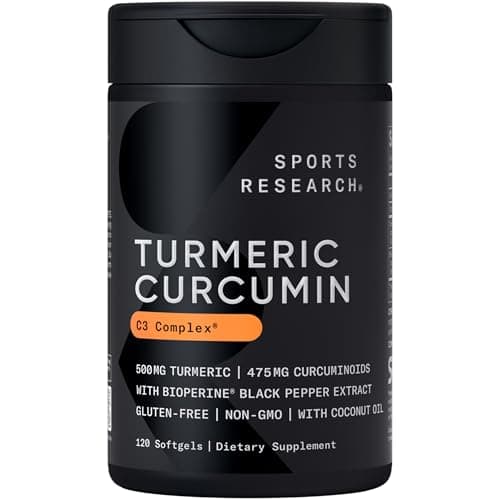
Sports Research — Turmeric Curcumin with Coconut Oil & BioPerine (120 softgels)
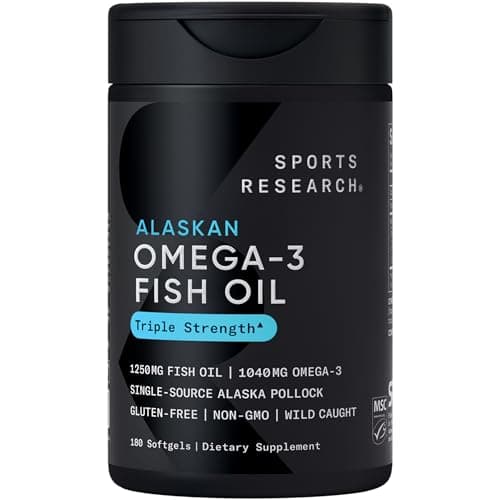
Sports Research — Triple Strength Omega-3 Fish Oil
The verdict
For most people choosing just one, fish oil is the better default: it's a food-derived nutrient with broader, stronger human evidence — especially for lowering triglycerides — and no absorption gimmick required. Reach for turmeric (curcumin) first if your specific goal is joint comfort, where its osteoarthritis data is most encouraging, and buy a standardized 95%-curcuminoid extract with a real absorption enhancer so you're actually absorbing it. They're not rivals: the two act through different pathways, both are low-risk at normal doses, and taking them together is reasonable. Whatever you choose, this is YMYL territory — talk to your doctor if you take blood thinners or other medications, since both can have mild blood-thinning effects.
Side-by-side
| Attribute | Turmeric (Curcumin) | Fish Oil (Omega-3) |
|---|---|---|
| What it is | Curcumin, a plant compound from turmeric root | EPA and DHA, omega-3 fats from oily fish |
| Food-derived nutrient? | No — a botanical extract, not an essential nutrient | Yes — an essential fatty acid you'd get from fish |
| Strength of evidence | Narrower; best signal is knee osteoarthritis pain | Broader; strongest for lowering triglycerides |
| Best-supported use | Joint comfort / osteoarthritis | Triglycerides; some cardiovascular and joint signals |
| Absorption | Poor alone — needs piperine or a phytosome form | Well absorbed; no enhancer needed |
| Regulatory verdict | NCCIH: not shown to treat any disease | NIH: lowers triglycerides, may reduce some CVD endpoints |
| Main cautions | Mild blood-thinning; liver risk with high-absorption forms | Mild blood-thinning; fishy reflux for some |
| Vegan option | Yes — curcumin is plant-based | Yes — via algae (algal) oil |
Who should pick which
Pick Turmeric (Curcumin)
- People whose specific target is joint pain or stiffness, where curcumin's osteoarthritis evidence is most encouraging.
- Those who don't eat fish and want a plant-based anti-inflammatory to try — paired with an algae omega-3 if they also want EPA/DHA.
Pick Fish Oil (Omega-3)
- Most people choosing one general-health supplement — fish oil is a food-derived nutrient with the broader, deeper evidence base.
- Anyone with elevated triglycerides or a cardiovascular focus (under a doctor's guidance), where omega-3 data is strongest.
- Vegans and vegetarians (via algae oil), who get a true EPA/DHA source rather than a botanical with limited data.
Same buzzword, different footing
Both turmeric and fish oil get sold as 'anti-inflammatory,' but they don't stand on equal ground. Fish oil delivers EPA and DHA — long-chain omega-3 fatty acids that are genuine nutrients your body needs and normally obtains from oily fish. That makes it a food-derived nutrient with a large, decades-deep research base. Curcumin is the active compound in turmeric root, a botanical extract rather than an essential nutrient, with a smaller and more uncertain evidence base. The distinction matters because 'reduces inflammation' is a vague claim that both camps lean on; when you ask the sharper question — what has each actually been shown to do in humans? — fish oil has the clearer, broader answers, while curcumin's strongest evidence is concentrated in one area. Neither is a cure for anything, and neither replaces the real anti-inflammatory basics: whole-food diet, training, and sleep.
What fish oil has actually been shown to do
Fish oil's best-established effect is lowering triglycerides. The NIH Office of Dietary Supplements notes that each additional gram per day of long-chain omega-3s reduces triglyceride levels by roughly 5.9 mg/dL, and concludes that fish oil and other omega-3 supplements 'lower triglyceride levels and might reduce the risk of some cardiovascular endpoints.' Beyond triglycerides, the cardiovascular picture is mixed — some large trials found benefits at higher doses, others didn't — but the point is that omega-3s are a real nutrient with measurable, dose-dependent physiological effects, plus a reasonable (if not decisive) signal for joint symptoms in rheumatoid arthritis. Because EPA and DHA are things your body uses regardless, a modest daily dose is a defensible baseline for people who eat little fish, independent of any single disease claim.
What turmeric has actually been shown to do
Curcumin's evidence is narrower but not empty. Its most promising human data is for knee osteoarthritis: multiple meta-analyses of randomized trials report that curcuminoids reduce pain and WOMAC stiffness scores versus placebo — a genuine, encouraging signal for joint comfort. But the NCCIH keeps the framing honest: 'the initial evidence is positive; higher-quality evidence is needed,' and more broadly, 'we don't know enough to definitively conclude if turmeric or curcumin is beneficial for any health purposes.' Two practical catches follow. First, absorption: plain curcumin barely enters the bloodstream, so only a properly formulated product — standardized 95% curcuminoids with black pepper (piperine) or a phytosome/liposomal delivery — actually gives you a fair shot at the doses the trials used. Second, scope: the joint signal doesn't automatically extend to 'inflammation' as a catch-all, immunity, or detox. Buy curcumin for joints, with realistic expectations, not as a general anti-inflammatory cure.
If you can only pick one
For a general-health supplement, fish oil is the more defensible default. It's a food-derived nutrient with the broader evidence base, it works without an absorption trick, and its triglyceride effect is real and measurable. If you rarely eat oily fish, a daily omega-3 covers a genuine dietary gap that curcumin simply doesn't address. Curcumin earns the top spot only when your target is specific: achy, stiff joints, where its osteoarthritis data is the most relevant thing either supplement offers. In that case, choose an absorbable, standardized product and give it several weeks. If your goals are mixed — general wellness plus creaky knees — that's precisely the situation where taking both makes sense rather than forcing a choice.
Taking both, and the safety fine print
Because turmeric and fish oil act through different mechanisms and are both low-risk at normal doses, stacking them is reasonable and common — think of fish oil as the nutrient baseline and curcumin as a targeted joint add-on. But this is YMYL territory, so mind the overlap: both can have mild blood-thinning (antiplatelet) effects, so if you take an anticoagulant like warfarin, an antiplatelet drug, or you're heading into surgery, clear the combination with your doctor first. Curcumin has additional cautions the NCCIH flags — highly bioavailable formulations have been linked to rare liver injury, and it can trigger gallbladder contractions if you have gallstones — while fish oil's main nuisance is fishy reflux, easily managed by taking it with food or freezing the softgels. Buy third-party-tested versions of each (IFOS/NSF/USP for fish oil; NSF/USP or published testing for curcumin), and remember neither is a substitute for medication or a real anti-inflammatory lifestyle.
Frequently asked questions
It depends on what you mean by inflammation. Fish oil is the broader, better-evidenced choice for general health and has clearer, dose-dependent effects (most reliably on triglycerides), and it's a genuine food-derived nutrient. Curcumin's strongest human evidence is specifically for joint pain in osteoarthritis, where meta-analyses show it beats placebo — but the NCCIH says turmeric hasn't been shown to treat any disease, and 'inflammation' as a blanket target isn't something either supplement is proven to fix. For most people, fish oil is the safer default; for achy joints specifically, curcumin is the more directly relevant pick.
Related reading
Sources
- Turmeric ('we don't know enough to definitively conclude if turmeric or curcumin is beneficial for any health purposes'; knee OA evidence positive but low-quality; piperine improves bioavailability; highly bioavailable formulations may harm the liver) — NIH National Center for Complementary and Integrative Health (NCCIH), 2020
- Omega-3 Fatty Acids — Fact Sheet for Health Professionals (~5.9 mg/dL triglyceride reduction per 1 g/day of long-chain omega-3s; supplements 'lower triglyceride levels and might reduce the risk of some cardiovascular endpoints'; algal oil as a vegan EPA/DHA source) — NIH Office of Dietary Supplements, 2024
- Effectiveness of curcuminoids in the treatment of knee osteoarthritis: a systematic review and meta-analysis of randomized clinical trials (curcuminoids reduced pain and WOMAC scores vs placebo) — PubMed / U.S. National Library of Medicine
Sports Research — Turmeric Curcumin with Coconut Oil & BioPerine (120 softgels)
$32.95 · on Amazon