Medicine Ball vs Slam Ball: Which Weighted Ball Do You Need?
Medicine balls and slam balls look similar and get used interchangeably, but one detail separates them: bounce. A medicine ball is denser and often rebounds — many are built with grip and a controlled bounce so you can throw them at a wall, pass them to a partner, or use them for rotational and rehab work. A slam ball is sand- or shot-filled inside a thick rubber shell and has essentially no bounce, so you can drive it overhead into the floor for reps without it rocketing back at your face. That dead-bounce design is the whole point: it makes hard, repeated slams safe and lets the ball take a daily beating. The movement menus barely overlap — the medicine ball owns throws, passes, and rotational power, while the slam ball owns overhead slams and conditioning. Many home gyms end up owning one of each.
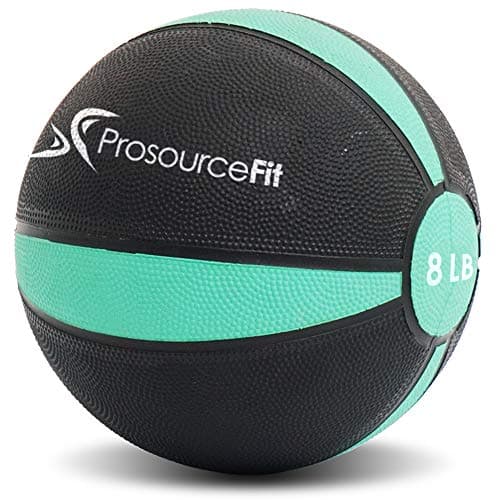
ProsourceFit — ProsourceFit Weighted Rubber Medicine Ball (8 lb)
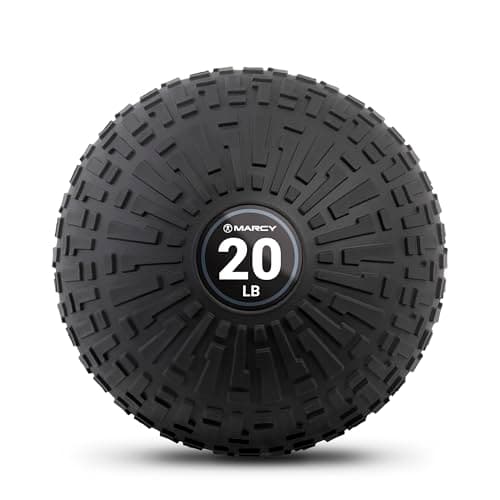
The verdict
Pick a medicine ball if you want throws, wall and partner passes, rotational power, and rehab-friendly core work — it's the more versatile, more skill-oriented tool. Pick a slam ball if your headline movement is the overhead slam for conditioning and power, or you need something that dies on the floor and survives daily abuse. They solve different problems, so many people buy both: a slam ball for intensity and a medicine ball for throws and rotation. If you can only get one, match it to your main movement.
Side-by-side
| Attribute | Medicine Ball | Slam Ball |
|---|---|---|
| Best for | Throws, wall and partner passes, rotational and rehab core work | Overhead slams, conditioning, dead-stop power |
| Bounce / rebound | Often bounces or offers a catchable rebound (varies by model) | Dead-bounce by design — won't rebound off the floor |
| Construction / fill | Denser rubber, leather, vinyl, or gel; firmer feel with textured grip | Sand or steel shot inside a thick rubber shell; softer, absorbs impact |
| Signature movement | Chest and overhead passes, rotational throws, Russian twists | Overhead-to-floor slams, done for reps |
| Durability under slamming | Can crack or bounce back dangerously if slammed hard | Built to be slammed all day without rebound or failure |
| Typical weight range | Commonly 4-20 lb for throws and core | Commonly 10-30 lb, up to 40-50 lb for heavy slams |
| Grip / catchability | Textured and firm — easy to catch and throw | Smoother and heavier — harder to grip when sweaty |
| Floor / wall needs | Wants a partner, wall, or open space to throw into | Needs a durable floor; no wall or partner required |
Who should pick which
Pick Medicine Ball
- Athletes and lifters doing throws, wall passes, partner work, and rotational power drills.
- Anyone doing rehab, prehab, and controlled core work where grip and a predictable catch matter.
- People who want the widest movement menu from one ball — passes, twists, light slams, carries, and presses.
Pick Slam Ball
- Conditioning-focused trainees whose headline movement is the overhead slam — repeated, hard, no rebound.
- Garage and basement gym owners who need a ball that dies on the floor and shrugs off daily slamming.
Bounce is the dividing line
Everything else follows from one property: how the ball behaves when it hits something. A medicine ball is dense and often has a controlled rebound, which is exactly what you want when you're bouncing it off a wall, passing it to a partner, or catching a rotational throw. A slam ball has effectively no bounce — the sand or shot fill and thick shell absorb the impact and kill the rebound. That's not a flaw; it's the design goal. It means you can drive a heavy ball straight down or overhead into the floor, rep after rep, without it springing back into your shins or face. Try that with a bouncy medicine ball and you invite both a broken ball and a broken nose.
Construction and durability
Look inside and the difference is obvious. Slam balls are built for abuse: a heavy, thick rubber shell packed with sand or steel shot, engineered to hit the floor repeatedly and simply lie there. Medicine balls come in more flavors — molded rubber, leather, vinyl, or gel-filled — and tend to be firmer and grippier, tuned for throwing and catching rather than slamming. That construction is why the tools don't cross over well: slam a rigid medicine ball hard enough and you can crack the shell or split a seam, while a slam ball's soft, dead feel makes it clumsy for the crisp catches and passes a medicine ball handles cleanly. Buy the ball whose build matches how you'll actually use it.
The movement menus barely overlap
On paper both are 'weighted balls,' but the exercises diverge fast. The medicine ball is a throwing and rotational tool: chest passes, overhead throws to a partner or wall, rotational scoop tosses, Russian twists, and a long list of rehab and core drills that rely on grip and a predictable catch. The slam ball is a conditioning and power tool built around one signature move — the overhead-to-floor slam — plus carries, cleans, and ground-based work where a dead bounce is an asset. You can borrow lightly across the line, but each ball is clearly better at its own menu. Pick based on which list of movements you actually plan to program.
Space, floor, and partner needs
The two balls make different demands on your gym. Medicine ball throws usually want a target: a sturdy wall you don't mind hitting, a partner to pass with, or open space to throw into. Wall-directed work also needs a wall that can take repeated impacts. Slam balls need almost the opposite — no wall, no partner, just a floor tough enough to absorb heavy overhead slams, ideally rubber matting or a platform so you protect the surface and your joints. Neither needs much square footage, which is part of why weighted balls are such efficient small-space tools, but confirm your floor and walls can handle the specific ball before you start throwing weight around.
Which to buy — or buy both
If you're forced to choose, match the ball to your main movement. Conditioning and power work built on slams? Get a slam ball; it's cheap, nearly indestructible, and covers a lot of high-intensity ground. Skill, throws, rotation, partner work, or rehab? Get a medicine ball for its grip, bounce, and versatility. The honest truth is they're complementary, not competing — a slam ball for intensity and durability, a medicine ball for throws and rotational power. Plenty of garage gyms own one of each because together they cover slams, passes, twists, and core work that neither handles alone. Start with the one that matches today's program and add the other later.
Frequently asked questions
It depends on the ball, and mostly you shouldn't. Many medicine balls are designed with a rebound so they can be thrown against a wall — slam one hard into the floor and it can bounce straight back at your face or crack the shell over time. Some brands sell no-bounce medicine balls that tolerate slamming, but a standard bouncy medicine ball is the wrong tool for repeated overhead slams. If slams are your goal, buy a slam ball built for exactly that.
Related reading
Sources
- Medicine Ball Training for Power and Rotational Athletes — National Strength and Conditioning Association (NSCA)
- Medicine Ball Exercises for Core and Total-Body Power — American Council on Exercise (ACE)
- Slam Ball vs. Medicine Ball vs. Wall Ball: What's the Difference? — BarBend
- Wall-Ball and Medicine-Ball Movement Standards — CrossFit
ProsourceFit — ProsourceFit Weighted Rubber Medicine Ball (8 lb)
$34.99 · on Amazon