Knee Sleeves vs Knee Wraps: Which Should You Buy?
Knee sleeves and knee wraps look related, but they do almost opposite jobs, so the right pick comes down to how you train. Knee sleeves are pull-on neoprene tubes that stay on for a whole session. They add warmth, snug compression, and a little support, which most lifters like for daily squatting, CrossFit, and general training because they keep the joint warm and feeling stable set after set. Knee wraps are long elastic bandages you cinch tight around the knee before a heavy set and take off after it. Wound correctly they store elastic energy at the bottom of a squat and spring you out of the hole, so they can add real weight to a maximal, competition-style back squat. That rebound is the whole point, and also the catch: wraps are restrictive, fiddly to apply, do nothing for warmth or higher-rep volume, and are overkill for most people. For the large majority of lifters, sleeves are the everyday tool. Wraps are a specialist item for powerlifters chasing a bigger one-rep max. This is gym gear, not a brace or medical device.
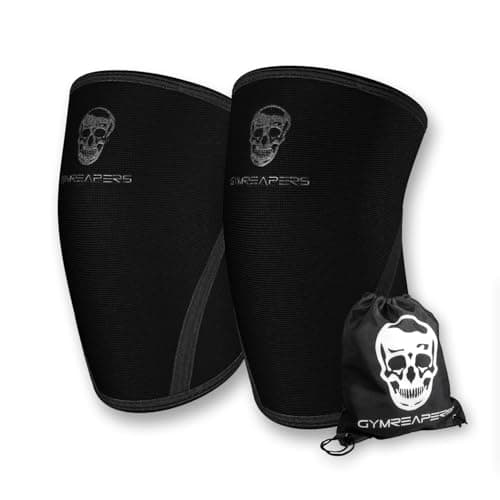
Gymreapers — Gymreapers 7mm Knee Sleeves (IPF Approved)
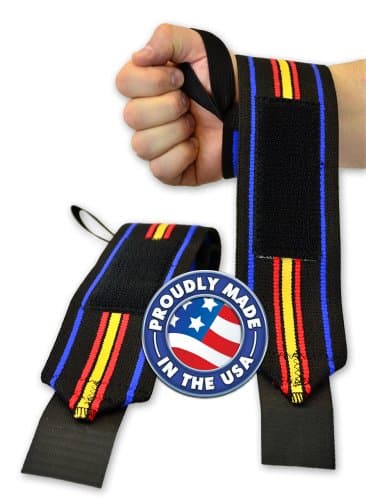
Titan Support Systems — Titan THP Powerlifting Wrist Wraps (24 inch)
The verdict
Buy knee sleeves if you want one piece of gear for almost every training day: they deliver warmth, compression, and a stable feel across squats, Olympic lifts, CrossFit, and higher-rep work, and they are simple to slide on and forget. Buy knee wraps only if you specifically train or compete in maximal, wrapped back squats and want the elastic rebound that can add weight to a top single. Wraps are a niche performance tool, not an everyday one, and they do nothing for warmth or volume. Most lifters should start with a good pair of 5mm or 7mm sleeves and never feel under-equipped. Serious raw and equipped powerlifters may own both: sleeves for training and warm-ups, wraps for heavy peaking and meet prep. If you can buy only one, sleeves are the clear default for nearly everybody.
Side-by-side
| Attribute | Knee Sleeves | Knee Wraps |
|---|---|---|
| Best for | Daily training, warmth, all-session compression | Maximal, competition-style squats needing rebound |
| How you wear it | Pull-on tube worn the whole session | Elastic bandage cinched tight per set, off after |
| Main benefit | Joint warmth, compression, and mild support | Stored elastic energy and squat rebound |
| Support type | Constant, moderate, and comfortable | Aggressive, tight, and per-set only |
| Carryover to 1RM | Small — a few pounds at most | Large — can add notable weight to a max squat |
| Comfort for volume | Comfortable for reps and long sessions | Restrictive — not for volume or warmth |
| Ease of use | Slide on and forget | Takes practice and often a partner to wrap well |
| Best user | Most lifters, CrossFit, general strength | Powerlifters peaking a maximal squat |
Who should pick which
Pick Knee Sleeves
- Everyday lifters and general gym-goers who want warmth, compression, and a stable knee feel on squat day without any fuss.
- CrossFit and higher-rep athletes who need gear they can leave on through a whole workout, including running, jumping, and wall balls.
- Lifters who train alone and want a simple pull-on option that suits Olympic lifts, leg presses, and volume work.
Pick Knee Wraps
- Powerlifters who compete or train the wrapped back squat and want elastic rebound to add weight to a maximal single.
- Advanced lifters peaking for a one-rep-max test who can handle the tight, restrictive fit for a few heavy sets.
- Lifters chasing the biggest possible raw-with-wraps or geared squat, who accept the fiddly per-set on-and-off routine.
What each one actually does
The confusion starts with the shared name, but sleeves and wraps solve different problems. A knee sleeve is a closed neoprene tube you pull over the joint at the start of a session and leave on. It hugs the knee with even compression, traps heat, and adds a modest, constant sense of stability. You barely notice it between sets, which is exactly why it suits day-to-day training. A knee wrap is a long strip of stretchy elastic — commonly two to three-and-a-half meters — that you spiral tightly around the knee right before a heavy set and unwrap the moment you finish. Wrapped correctly, it loads up like a spring at the bottom of a squat and helps drive you back up. That makes it a performance accessory aimed at one thing: moving more weight on a maximal squat. The trade is that a proper wrap is tight enough to be uncomfortable, cuts off a comfortable knee bend, and has to come off between sets. So sleeves are built for comfort and consistency across a whole session, while wraps are built for a short burst of maximal output.
Warmth and compression: the sleeve's real job
The main reason lifters reach for sleeves is warmth and compression, not raw support. Neoprene traps body heat around the joint, so the knee stays warm between sets — many people simply feel more comfortable and confident squatting with warm, compressed knees, especially in a cold garage gym or early in the morning. The snug fit also provides light proprioceptive feedback, a sense of where the joint is and a feeling of stability that a lot of lifters value under a loaded bar. What sleeves do not do is meaningfully change how much you can lift; any carryover to your one-rep max is small, usually a few pounds at most from the mild rebound of thicker 7mm neoprene. That is fine, because performance is not the point of a sleeve — comfort, warmth, and a stable feel across an entire training session are. Sleeves are also friendly to higher-rep work, conditioning, and Olympic lifts, since you never have to take them off. To be clear, a sleeve is gym gear, not a medical brace, and it does not treat or rehabilitate a knee problem.
Rebound and carryover: why wraps exist
Knee wraps exist for one job: adding weight to a maximal back squat. Wound tight around a bent knee, the elastic stretches as you descend and stores energy, then releases it to help you reverse out of the bottom — the deeper and tighter the wrap, the bigger the assist. Research on wrapped squats backs this up: a Journal of Strength and Conditioning Research study found wraps let lifters lower and rebound faster and increased peak power, while also cutting horizontal bar travel as lifters changed their technique to use the wrap. In practice that can mean a noticeably heavier top single, which is why wraps are standard kit in powerlifting federations that allow them and in strongman. But the same stiffness that creates the rebound changes the movement — the researchers noted the altered mechanics likely shift work away from the muscles you would otherwise train and load the knee differently. That is a fair trade when the goal is a maximal, competition-legal squat, and a poor one when the goal is building the legs through a full, unassisted range. Wraps buy pounds on a max, not better everyday training.
Comfort, fit, and thickness
Thickness and length decide how each feels. Sleeves usually come in 5mm and 7mm neoprene. A 5mm sleeve is thinner, more flexible, and better for CrossFit, higher reps, and anything with running or jumping, where you want warmth and a little support without bulk. A 7mm sleeve is stiffer and offers more compression and a touch more rebound, which powerlifters favor for heavy, low-rep squats. Fit should be snug — hard to pull on is normal — but never painful or numbing; follow the brand size chart and measure your leg rather than guessing. Wraps are sold by length, commonly two meters up to about three-and-a-half meters, with longer, stiffer wraps giving more support and rebound but taking more skill and effort to apply. Learning to wrap well takes practice, and many lifters need a training partner to get them tight and even. Because wraps must go on and come off every heavy set, they add real time and hassle to a session. Sleeves win on convenience by a wide margin; wraps ask for effort in exchange for their peak-day payoff.
Who should own which
For the large majority of lifters, sleeves are the answer, and often the only knee gear you need. If you squat a few times a week, do CrossFit, chase general strength, or just want warm, supported-feeling knees, a good pair of 5mm or 7mm sleeves covers you and stays out of the way. They are affordable, easy, and useful on almost every training day. Wraps only earn a place in your bag if you specifically train the maximal, wrapped back squat — usually competitive raw-with-wraps or equipped powerlifters, or lifters testing a true one-rep max who want every legal pound. Plenty of serious lifters own both and use them for different jobs: sleeves for warm-ups, volume, and everyday sessions, and wraps reserved for heavy peaking blocks and meet prep. If your budget or your bag holds only one, buy the sleeves. And whichever you choose, remember these are performance tools, not braces — persistent knee pain, swelling, or instability is a reason to see a qualified medical professional, not to wrap tighter or size down a sleeve.
Frequently asked questions
Wraps help more, and by a real margin. Knee wraps store elastic energy and spring you out of the bottom of a squat, which can add noticeable weight to a maximal single — research shows they raise peak power and speed the lift. Sleeves add very little to your one-rep max, usually only a few pounds from the mild rebound of thick neoprene. Sleeves are about warmth, compression, and a stable feel, not moving bigger numbers. If pure top-end squat weight is the goal, wraps win; for everyday training, sleeves are plenty.
Sources
- Wearing Knee Wraps Affects Mechanical Output and Performance Characteristics of Back Squat Exercise (wraps increased peak power, sped the descent and rebound, and altered squat technique) — Journal of Strength and Conditioning Research (NSCA) — Lake, Carden & Shorter, 2012
- Kinematic and sEMG Analysis of the Back Squat at Different Intensities With and Without Knee Wraps (how wraps change movement and muscle activation across loads) — Journal of Strength and Conditioning Research (NSCA), 2015
- 5 Best Knee Sleeves (Personally Tested): thickness (5mm vs 7mm), warmth, compression, and sizing guidance — BarBend
- Best Knee Sleeves (Expert-Tested): how sleeves fit, feel, and compare across squats and general training — Garage Gym Reviews
Gymreapers — Gymreapers 7mm Knee Sleeves (IPF Approved)
$59.99 · on Amazon