Electrolyte Tablets vs Powder: Which Should You Use?
Electrolyte tablets, capsules, and drink powders are competing formats for the same job: replacing the minerals you lose in sweat — above all sodium, with potassium, magnesium, and chloride in supporting roles. Neither format is universally 'better'; they solve slightly different problems. Tablets and capsules are precise, portable, and usually low or no sugar and low calorie, which makes it easy to match your intake to your sweat rate — a real advantage for endurance athletes, heavy sweaters, people eating low-carb or keto, and anyone who travels and wants to toss a few in a bag. The trade-off is that a capsule gives you no fluid and no flavor cue, so you have to remember to drink water alongside it. Effervescent tablets and flavored drink powders solve exactly that: the taste and the volume of a drink actually encourage you to consume fluid, which is often the real-world bottleneck to staying hydrated. The catch there is that some powders carry more sugar and calories than you might want. So the honest answer is to match the format to the situation — and to remember that most casual exercisers going under an hour just need water and a normal diet in the first place.
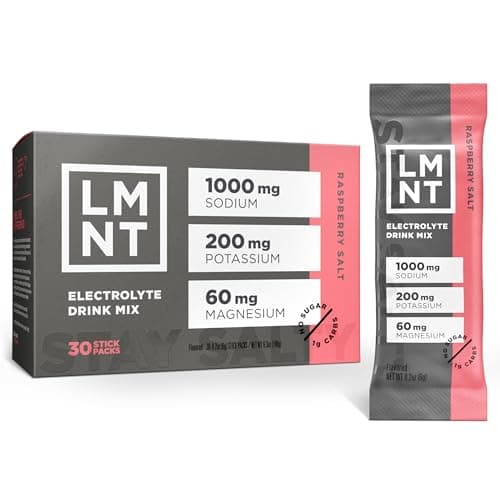
LMNT — LMNT Recharge Electrolyte Drink Mix
The verdict
Neither format wins across the board — match it to your use. Reach for tablets or capsules when you need precise, portable, low-calorie sodium you can dial to your sweat rate: long or hot sessions, heavy sweaters, keto, and travel. Reach for a flavored powder or effervescent tablet when the real problem is simply getting yourself to drink — the taste and the volume of an actual beverage nudge you to take in fluid, which is frequently what people fail to do. Just watch two things: capsules give no fluid or flavor cue, so you must drink water with them; and some powders pack more sugar and calories than you want, so read the label. Above all, keep it in perspective. Most casual exercisers training under an hour in normal conditions just need water and a normal diet — electrolyte products matter most for long, hot, sweaty efforts. If you have high blood pressure, kidney issues, or a heart condition, talk to your doctor before adding sodium.
Side-by-side
| Attribute | Electrolyte Tablets & Capsules | Electrolyte Powder (Drink Mix) |
|---|---|---|
| Format | Capsules or dissolvable tablets | Flavored powder or effervescent drink mix |
| Dosing precision | High — easy to titrate to sweat rate | Per-serving; varies by brand |
| Provides fluid/flavor cue | Capsules: no — drink water alongside | Yes — encourages you to actually drink |
| Sugar / calories | Usually low or none | Varies; some carry added sugar |
| Portability | Excellent — no mixing needed | Good, but needs water to mix |
| Main electrolyte | Sodium (plus potassium, magnesium) | Sodium (plus potassium, magnesium) |
| Best for | Endurance, heavy sweat, keto, travel | Daily hydration habit, flavor, pill-averse |
| Main caution | No fluid cue — must drink water too | Check the sugar/calorie content |
Who should pick which
Pick Electrolyte Tablets & Capsules
- Endurance athletes and heavy sweaters who need to match sodium precisely to a high sweat rate over long sessions.
- People who want low or no sugar and minimal calories, or who follow keto and need extra sodium without carbs.
- Travelers and anyone who values portability — capsules toss into a bag with no mixing, spills, or fridge needed.
Pick Electrolyte Powder (Drink Mix)
- People building a daily hydration habit who drink more when there's flavor to encourage it.
- Anyone who dislikes swallowing pills, or who wants the fluid volume and taste of an actual beverage during exercise.
Sodium is the electrolyte that matters most
Before comparing formats, it helps to know what you're actually replacing. When you sweat, you lose water and minerals — and the mineral that matters most for hydration and performance is sodium. Sodium is the main electrolyte in sweat by a wide margin, and it's central to fluid balance, which is why sports-medicine guidance on prolonged exercise emphasizes replacing sodium, not just water. Potassium, magnesium, and chloride play supporting roles, but they're lost in far smaller amounts and are rarely the limiting factor for a healthy person. This matters for the format debate because both tablets and powders are, at their core, sodium-delivery systems with some supporting minerals attached. So the real questions are practical: how precisely can you dose the sodium you need, will the format actually get you to drink fluid, and how much sugar and how many calories come along for the ride? Once you frame it that way, the choice between a capsule and a drink mix stops being about which is 'stronger' and becomes about which fits how, when, and how hard you sweat.
The case for tablets and capsules
Tablets and capsules shine when precision and portability matter. Because each one delivers a known amount, it's straightforward to match your intake to your sweat rate — take more on a long, hot, salty-sweat day and fewer on an easy one. They're usually low or no sugar and low calorie, which is ideal if you don't want to drink your carbohydrates, and it's a genuine advantage for people on keto or low-carb diets who need extra sodium precisely because cutting carbs increases sodium loss. Portability is the other big win: capsules toss into a running belt, gym bag, or suitcase with no mixing, no spills, no sticky bottle, and no refrigeration. The trade-off is real and worth stating plainly — a capsule gives you no fluid and no flavor cue. It supplies the sodium but does nothing to remind you to drink, so you have to consciously take water alongside it. For a disciplined athlete who's already drinking to a plan, that's fine; for someone who forgets to hydrate, it can quietly defeat the purpose.
The case for powders and drink mixes
Flavored powders and effervescent tablets win on the single most underrated variable in hydration: getting the fluid in. For many people, the real-world problem isn't a lack of electrolytes — it's that they simply don't drink enough. A pleasant-tasting drink solves that directly. The flavor and the volume of an actual beverage encourage you to sip steadily through a session, and that behavioral nudge often matters more than any difference in mineral content on the label. Powders also let you make a bottle you'll actually finish, which is handy for daily hydration habits, not just workouts. The honest caveat is sugar and calories: some drink mixes carry meaningful added sugar (sometimes intentionally, to aid carbohydrate intake during long endurance efforts, and sometimes just for taste), so if you're using electrolytes for daily hydration or on a low-calorie or keto plan, read the label and pick a low- or no-sugar option. There's nothing wrong with sugar during a two-hour ride; there's a lot wrong with it if you're drinking sweetened electrolyte water all day for no athletic reason.
Do you even need electrolytes? The honest answer
This is where a skeptical site has to be blunt: most casual exercisers don't need an electrolyte product at all. If you're training under about an hour, in normal conditions, and you eat a normal diet, plain water plus your regular meals will replace what you lose. Sodium is abundant in most people's food, and a short workout doesn't produce enough sweat loss to require a supplement. Electrolytes start to matter when the session is long, hot, or unusually sweaty — think endurance events, hours of activity, heavy sweaters who leave salt stains on their kit, or working and training in the heat. They also matter for specific situations like keto (where sodium needs rise) and illness with fluid loss. Mayo Clinic's guidance on fluids reinforces the mundane truth that most people meet their needs through everyday drinking and eating. So before you compare tablets to powders, ask whether you're actually in a scenario that calls for either — because for a lot of gym-goers, the most honest recommendation is a glass of water and a balanced plate.
How to choose between them
Match the format to the job. Pick tablets or capsules if you need precise, portable, low-calorie sodium you can scale to your sweat rate — endurance training, hot conditions, heavy sweating, keto, or travel where mixing a drink is a hassle. Pick a flavored powder or effervescent tablet if your bottleneck is simply drinking enough, if you want the taste and volume of a real beverage during exercise, or if you dislike swallowing pills. Many athletes sensibly use both: capsules for concentrated sodium on the hardest, sweatiest days, and a drink mix for palatable everyday hydration. Whichever you choose, check the sodium content (that's the number that matters), scan the sugar and calories against your goals, and favor third-party-tested products. And keep the whole thing in proportion — for short, ordinary workouts, water and food do the job. This is YMYL territory too: if you have high blood pressure, kidney disease, or a heart condition, or you take medication that affects electrolytes, talk to your doctor before deliberately adding sodium.
Frequently asked questions
Neither is universally better — they solve different problems. Tablets and capsules give precise, portable, usually low-calorie dosing you can match to your sweat rate, which suits endurance athletes, heavy sweaters, keto, and travel. Powders and effervescent drink mixes add flavor and fluid volume that encourage you to actually drink, which is often the real bottleneck to staying hydrated — the trade-off is that some carry more sugar and calories. Capsules give no fluid or flavor cue, so you must remember to drink water alongside them. Match the format to your situation, and check the sodium content and sugar level either way.
Related reading
Sources
- Position Stand: Exercise and Fluid Replacement (sodium is the primary electrolyte lost in sweat; sodium replacement recommended during prolonged exercise and to match individual sweat rates) — American College of Sports Medicine (Medicine & Science in Sports & Exercise), 2007
- Water: How much should you drink every day? (most healthy people meet their fluid needs through everyday drinking and normal eating; thirst is a reasonable guide for the general population) — Mayo Clinic
- Electrolytes and hydration — what they are, why they matter, and when supplements help versus when water and food are enough — Cleveland Clinic (health.clevelandclinic.org)
- Electrolytes — evidence overview of sodium, potassium, and magnesium for exercise, sweat loss, and hydration, and the limited need for supplementation in short, everyday exercise — Examine.com
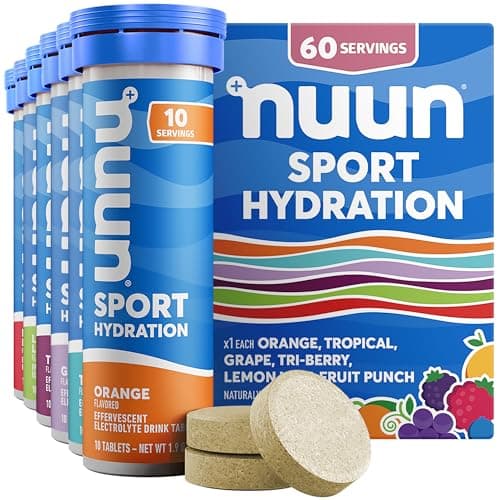
Nuun — Nuun Sport
$28.26 · on Amazon