Bumper Plates vs Cast-Iron Plates: Which Should You Buy?
Bumper plates and cast-iron plates weigh the same on the bar — a 45 is a 45 — so the real difference is how they behave when you train and where you train. Bumper plates are rubber and share one full diameter regardless of weight, which means they are built to be dropped from overhead without damaging the bar, the plates, or the floor. That makes them the default for Olympic lifting, CrossFit, and anyone who trains in a garage or on a slab. Cast-iron plates are dense and thin, so they cost less per pound, load more weight in less bar space, and pack tightly on a rack. The trade is that iron is loud, hard on floors, and should never be dropped. Bumpers cost more and eat sleeve space; iron is cheaper and compact but noisy and drop-averse.
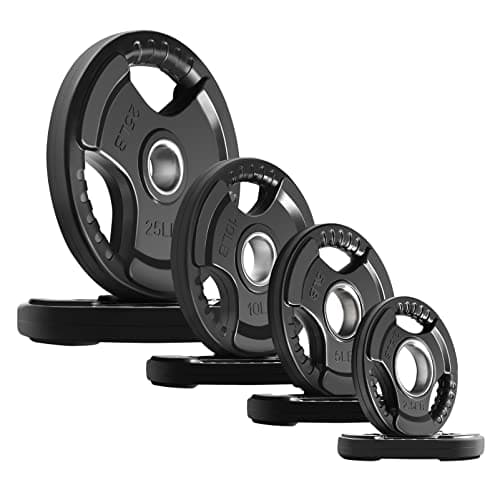
RitFit — RitFit Olympic Rubber Grip Weight Plates (2-Inch Set)
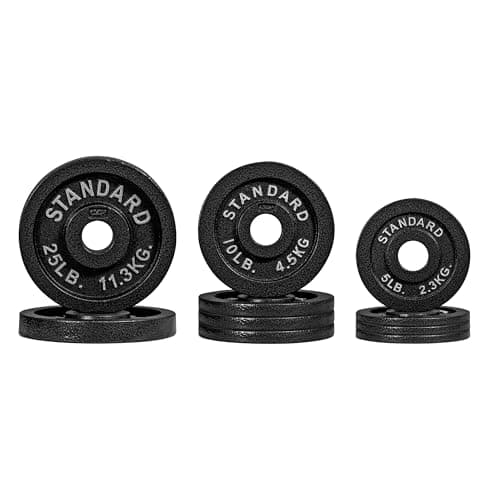
CAP Barbell — CAP Barbell Classic Olympic Cast Iron Weight Plate Set (110 lb)
The verdict
Buy bumper plates if you snatch, clean and jerk, do CrossFit, or need to drop the bar in a garage or on a hard floor without wrecking anything. Buy cast-iron plates if you mostly squat, bench, deadlift, and press, want the most weight for the money, and can control the bar down instead of dropping it. Many lifters run a hybrid — bumpers for the working set, iron for cheap micro and top-end loading.
Side-by-side
| Attribute | Bumper Plates | Cast-Iron Plates |
|---|---|---|
| Best for | Olympic lifting, CrossFit, dropping loaded bars | Powerlifting and general strength, budget builds |
| Droppable from height | Yes — designed to be dropped overhead safely | No — dropping cracks plates, dents floors, damages bars |
| Floor and noise | Quiet, floor-friendly rubber bounce | Loud metal clang; can chip tile and concrete |
| Diameter | Uniform 450 mm across all weights | Shrinks with weight — a 10 is much smaller than a 45 |
| Space per pound (bar sleeve) | Thick — fewer pounds fit per sleeve | Thin and dense — more weight in less space |
| Cost per pound | Higher — rubber and steel inserts cost more | Lower — usually the cheapest way to buy weight |
| Max loading on a bar | Limited by sleeve length at very heavy loads | High — thin plates pack a lot onto the sleeves |
| Durability concern | Rubber can dish or delaminate over years of abuse | Nearly indestructible, but rusts and chips if neglected |
Who should pick which
Pick Bumper Plates
- Olympic lifters and CrossFitters who drop loaded bars from the hips or overhead.
- Garage and apartment trainees on a slab or shared floor who need to protect the surface and their bar.
Pick Cast-Iron Plates
- Powerlifting-style and general lifters who squat, bench, and press without dropping the bar.
- Budget-focused buyers who want the most total weight for the lowest cost per pound.
- Anyone tight on sleeve space who needs to load heavy on a standard-length barbell.
Droppability is the whole reason bumpers exist
The single biggest difference is what happens when the bar comes down hard. Bumper plates are engineered to be dropped from overhead — the rubber absorbs the impact and protects the bar, the plates, and the floor. That is not a nicety for Olympic lifting and CrossFit; it is a requirement. You cannot safely bail a missed snatch or dump a heavy clean with cast iron. Iron plates are not built to absorb a drop: let go of a loaded bar and you risk cracking a plate, denting a bar sleeve, and gouging the floor. If your training involves letting go of the bar from height, bumpers are not optional.
Floor, noise, and where you train
Rubber changes the environment around the lift. Bumpers land with a muffled thud and a controlled bounce, which spares concrete, tile, and the people below or beside you. That matters in a garage on a bare slab, a basement, or an apartment gym where a metal crash is a problem. Cast iron is loud — the clang of plates settling and the risk of chipping a hard floor come with the territory. You can manage iron with rubber mats and by lowering the bar under control, but bumpers solve the noise-and-floor problem by design. Where you train often decides this on its own.
Iron wins on cost, density, and sleeve space
Cast iron is the cheapest way to buy weight, usually by a wide margin per pound, which adds up fast when you are loading a heavy bar. It is also dense and thin: a 45-pound iron plate is far slimmer than a 45-pound bumper, so you fit more total weight on the same sleeve. For a strong squatter or deadlifter approaching the end of a standard bar, that space advantage is real — pack on enough thick bumpers and you can run out of sleeve before you run out of strength. Iron also stores compactly and stacks tightly on a plate tree. If budget and heavy top-end loading drive your build, iron earns its place.
Diameter, feel, and pull height
Bumper plates share one diameter — 450 mm — no matter the weight, so even a light training bar sits at the standard pull height off the floor. That consistency is why they suit teaching the lifts and loading light for technique work. Cast-iron plates shrink as they get lighter: a 10-pound iron plate is much smaller than a 45, so a bar loaded light sits lower and changes the pull. For deadlifts and cleans, many lifters use full-size plates or blocks to keep the bar at the right height. It is a small detail, but it is why beginners learning the Olympic lifts almost always train on bumpers.
The honest answer: match the plate to the lift
There is no universal winner — pick the plate that fits how you train. If you snatch, clean and jerk, do CrossFit, or need to drop the bar in a garage, bumpers are the right call and the extra cost buys you safety and quiet. If you mostly squat, bench, deadlift, and press without ever letting go of the bar, cast iron gives you more weight for less money in less space. Plenty of lifters run a hybrid: a set of bumpers for the working weight and the lifts they drop, plus cheap iron for micro-loading and adding top-end weight on a full bar. Buy for your actual lifts and your actual floor.
Frequently asked questions
Probably not. If you squat, bench, deadlift, and press and always control the bar down rather than dropping it, cast-iron plates do the job for less money and take up less sleeve space. Bumpers earn their premium when you drop the bar — snatches, clean and jerks, CrossFit metcons, or bailing a missed rep. Many strength-only lifters happily run all iron on rubber floor mats and never miss the bumpers.
Sources
- Basics of Strength and Conditioning Manual — National Strength and Conditioning Association (NSCA)
- Bumper Plates vs. Iron Plates Buying Guide — Garage Gym Reviews
- Weight Plates Explained: Bumper, Iron, and Calibrated — BarBend
- Strength Training Equipment Basics — American Council on Exercise (ACE)
RitFit — RitFit Olympic Rubber Grip Weight Plates (2-Inch Set)
$239.99 · on Amazon