Barbell vs Dumbbells: Which Should You Buy First?
A barbell and a pair of dumbbells solve two different problems, so the honest question is not which is better but which fits your goal and your space. The barbell is the tool for maximum absolute strength: it lets you load hundreds of pounds across the squat, deadlift, bench, and press, and it makes small, precise weight jumps that drive long-term progression. The cost is infrastructure — you need a rack, plates, a bench, and floor space to use it safely. Dumbbells trade top-end loading for versatility and independence. They train each side of the body on its own, expose and fix imbalances, forgive a missed rep without pinning you, and fit in a closet. For most people the barbell builds raw strength faster, while dumbbells cover more movements in less room with less risk.
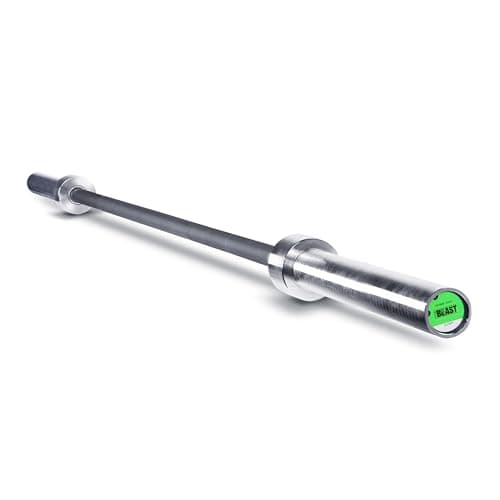
CAP Barbell — CAP The Beast 7ft Olympic Barbell, Pro Series
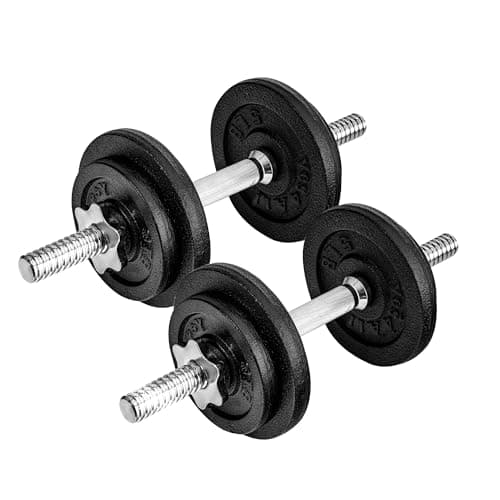
Yes4All — Yes4All Adjustable Dumbbell Set (Cast Iron, Spinlock)
The verdict
Buy a barbell first if your main goal is maximum strength and long-term progression on the big compound lifts, and you have room for a rack and plates. Buy dumbbells first if you want the widest exercise menu, unilateral work, and safer solo training in a small space. Serious home gyms end up with both — but let your dominant goal and your available square footage decide which comes first.
Side-by-side
| Attribute | Barbell | Dumbbells |
|---|---|---|
| Best for | Maximum strength, heavy compounds, precise progression | Versatility, unilateral work, small-space and solo training |
| Top-end loading | Very high — hundreds of pounds across the big lifts | Capped by what you can get into position per hand |
| Progression increments | Fine — 2.5 to 5 lb jumps, plus micro plates | Coarser — fixed sets jump in chunks; adjustables help |
| Unilateral / imbalance work | Limited — the bar links both sides together | Excellent — each arm and leg works independently |
| Solo safety | Needs a rack with safeties or a spotter to fail safely | High — drop or set them down if a rep stalls |
| Space and infrastructure | Needs rack, plates, bench, and dedicated floor space | Compact — a pair or adjustable set fits in a corner |
| Learning curve | Steeper on squat and deadlift setup and bar path | Gentler — most movements are intuitive day one |
| Entry cost | Higher — bar plus plates plus rack adds up | Lower to start; a full fixed range gets expensive |
Who should pick which
Pick Barbell
- Strength-focused lifters who want maximum absolute load on squats, deadlifts, bench, and presses.
- Anyone running a structured progression program (5x5, linear or block periodization) that needs small, precise weight jumps.
Pick Dumbbells
- Small-space and apartment trainees who cannot fit a rack, bench, and loaded barbell.
- Lifters who train alone and want to fail a rep safely without a spotter or safety arms.
- People prioritizing unilateral strength, joint-friendly angles, and the widest range of accessory movements.
Absolute strength lives on the barbell
If your goal is to get strong in the classic sense — a bigger squat, deadlift, bench, and overhead press — the barbell is the tool that lets you do it. It puts two hands on one implement, so the load you can move is far higher than what you can wrestle into position one dumbbell at a time. A strong lifter might deadlift 400-plus pounds on a bar; getting anywhere near that with dumbbells is impractical. The barbell also loads the whole system at once, which is what drives the largest strength and structural gains. Every serious strength program — from Starting Strength to Wendler 5/3/1 — is built around the barbell for exactly this reason.
Progression is easier to control with a bar
Getting stronger over months means adding small amounts of weight consistently, and the barbell is built for that. You can add 5 pounds a session, drop to 2.5-pound jumps as you slow down, and even run micro-loading plates when the standard increments stall you. Fixed dumbbells jump in coarse 5-pound-per-hand chunks — a big leap at lighter loads — and quality adjustable dumbbells narrow that gap but rarely match the barbell's fine control at the top end. For any program that lives on steady, measurable progression, the bar makes the math simple and the jumps small.
Dumbbells win on versatility, unilateral work, and safety
Dumbbells cover more ground than the bar for everything except top-end loading. Because each hand works independently, they train stabilizers harder, expose left-right imbalances, and let you fix them with single-arm and single-leg work. They also allow joint-friendly angles — a neutral-grip press or a rotating curl the fixed bar cannot match. And they are the safer tool when you train alone: miss a rep and you set the dumbbells down or drop them, with no bar pinning you to a bench. For lifters without a spotter or safety arms, that alone can decide the choice.
Space, cost, and the real-world footprint
The barbell's hidden cost is everything around it. A bar is useless for heavy squats and presses without a power rack or stand, a bench, plates, and a few feet of clear floor and ceiling — a real infrastructure commitment. Dumbbells need almost nothing: a pair or an adjustable set lives in a corner and travels between rooms. Up front, a full range of fixed dumbbells gets expensive fast, which is why adjustable sets exist. But if you rent, share a space, or train in a bedroom, dumbbells let you start lifting today while a full barbell setup may not fit at all. Space, not preference, ends many of these debates.
The honest answer: most people end up with both
These tools are complementary, not rivals. A mature home gym runs a barbell, rack, and plates for the heavy compounds, plus a pair of adjustable dumbbells for pressing variations, rows, lunges, and unilateral accessory work. If budget or space forces one first, let your goal and square footage decide: strength-focused lifters with room should build around the barbell and add dumbbells for accessories, while small-space or solo trainees should start with adjustable dumbbells and add a bar later. Either path works — start with the tool that matches how and where you actually train.
Frequently asked questions
You can build real strength and plenty of muscle with dumbbells, especially as a beginner or intermediate, using presses, rows, goblet and split squats, and Romanian deadlifts. The ceiling is top-end load: eventually your legs and back can handle far more than you can get into position one dumbbell per hand. For maximum absolute strength on the big lifts, the barbell is the more efficient tool — but dumbbells will take most people a long way.
Sources
- Basics of Strength and Conditioning Manual — National Strength and Conditioning Association (NSCA)
- Free Weights vs. Machines: Which Is Right for You? — American Council on Exercise (ACE)
- Barbell vs. Dumbbell Training Guide — BarBend
- Home Gym Equipment Buying Guide — Garage Gym Reviews
CAP Barbell — CAP The Beast 7ft Olympic Barbell, Pro Series
$149.00 · on Amazon