Adjustable Bench vs Flat Bench: Which Belongs in Your Gym?
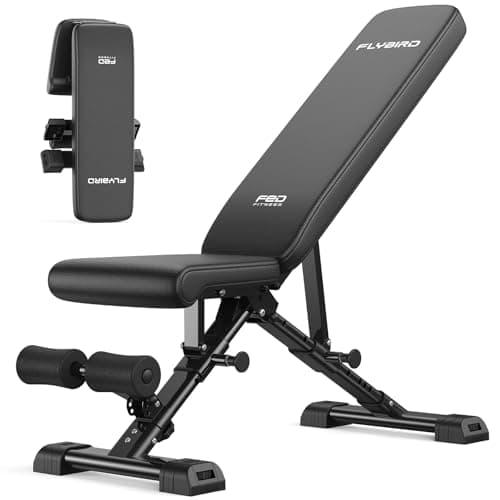
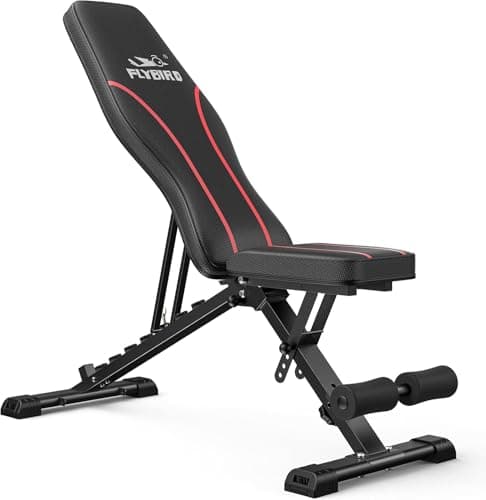
An adjustable bench pivots through flat, several incline angles, and often decline, which unlocks incline presses, seated shoulder work, and a range of supported dumbbell movements from one piece of equipment. A flat bench does exactly one thing — sit level and hold still — and does it with fewer parts to loosen, no seat-to-pad gap, and a lower price. The adjustable bench buys you exercise variety at the cost of some potential wobble, a hinge that can develop play over time, and a gap between seat and back pads that some lifters dislike. The flat bench buys you maximum stability, durability, and value at the cost of never changing angle. If pressing variety and shoulder work matter to you, the adjustable bench is the more complete tool. If you only bench flat and want the most solid, no-fuss platform for the money, the flat bench wins.
The verdict
Choose an adjustable bench if you want incline and decline work, seated overhead pressing, and the widest range of movements from one bench. Choose a flat bench if you press flat, prize rock-solid stability and durability, and want to spend less. Lifters chasing full upper-body variety lean adjustable; powerlifting-style flat pressers and budget buyers lean flat. A quality adjustable bench closes most of the stability gap — so the real question is whether you'll use the angles.
Side-by-side
| Attribute | Adjustable Bench | Flat Bench |
|---|---|---|
| Best for | Exercise variety — incline, decline, seated work | Rock-solid flat pressing and durability |
| Angle options | Flat, multiple inclines, often decline | Flat only |
| Stability / wobble | Very good on quality models; cheap ones can flex or rock | Excellent — no hinge, nothing to loosen |
| Seat-to-back gap | Present on most; can create a small lower-back gap | None — one continuous flat pad |
| Durability / moving parts | Hinge and ladder can develop play over years | Highest — a welded frame with no adjustment to wear |
| Footprint / storage | Similar footprint; some fold or wheel away | Small and simple; very easy to store |
| Weight capacity | High on quality models, but check the rating | Typically very high for the price |
| Cost | Higher — you pay for the mechanism | Lower — the best value per pound of steel |
Who should pick which
Pick Adjustable Bench
- Lifters who want incline and decline presses, seated shoulder work, and the widest exercise menu from one bench.
- Small-space trainees replacing multiple benches with a single do-it-all piece.
- Anyone building a general hypertrophy program that leans on angle variety for chest and shoulders.
Pick Flat Bench
- Flat-only pressers and powerlifting-style lifters who want maximum stability and no moving parts.
- Budget-first buyers who want the most durable, no-fuss bench for the least money.
Versatility is the adjustable bench's whole pitch
The reason to pay more for an adjustable bench is what it unlocks. Set it to an incline and you can train the upper chest and front delts with incline dumbbell and barbell presses; sit it near vertical and it becomes a support for seated overhead pressing and supported curls; drop it to decline and you shift emphasis lower on the chest. That's several distinct movements from one piece of equipment, which is a big deal in a home gym where you can't own a rack of dedicated benches. If your program leans on angle variety for chest and shoulder development, the adjustable bench is doing real work a flat bench simply can't.
The flat bench wins on stability and simplicity
A flat bench is a welded platform with one job: stay level and stay put. With no hinge, ladder, or seat mechanism, there's nothing to flex, rock, or loosen — which is exactly what you want when you're driving a heavy bar off your chest and pushing your feet into the floor. That planted feel lets you brace hard and press with confidence. It's also the reason flat benches tend to outlast adjustables: fewer moving parts means fewer failure points over years of use. For a lifter who only benches flat, paying for an adjustment mechanism buys wobble risk and complexity they'll never use.
The trade-offs that actually bite: gap and wobble
Two real drawbacks separate a cheap adjustable bench from a flat one. First, the seat-to-back gap: because the seat and back pads are separate pieces, most adjustables leave a small gap under your lower back on the flat setting, which some lifters find annoying and others barely notice. Second, wobble: budget adjustables with a loose ladder or thin frame can rock or flex under a heavy press, which is unnerving and can even be unsafe. The good news is that a well-built adjustable bench with a tight ladder mechanism and a heavy base closes most of this gap — you're paying for the engineering that keeps it solid.
Durability, capacity, and long-term value
A flat bench is hard to beat on durability and value: for a given budget you get more steel, a higher effective weight capacity, and essentially nothing to wear out. Adjustable benches concentrate their cost in the mechanism, so a cheap one can feel flimsy while a good one costs noticeably more. Always check the load rating — a quality adjustable rates high, but bargain models can be surprisingly low. If you plan to keep a bench for a decade of hard use and only ever press flat, the flat bench is the more economical, lower-maintenance choice. If you'll use the angles, the adjustable bench's higher price is buying capability, not just a fancier frame.
The honest recommendation for a home gym
For most home lifters building general strength and a bit of size, a quality adjustable bench is the better single purchase — it does everything a flat bench does plus incline, decline, and seated work, and a well-made one is stable enough that the wobble worry mostly disappears. Buy cheap, though, and you inherit the flex, rattle, and back-gap complaints that give adjustables a bad name, so spend up on a solid model. The flat bench earns its place for two people: the flat-only presser who wants the most bombproof platform possible, and the budget buyer who'd rather put the savings toward plates and a bar. Decide honestly whether you'll actually use the angles — that answer picks the bench.
Frequently asked questions
A quality adjustable bench is. Good models use a tight ladder mechanism, a heavy wide base, and a solid frame that barely moves under a heavy press. The stability complaints come from cheap adjustables with loose adjustment ladders and thin steel, which can rock or flex. If you press heavy, spend up on a well-reviewed adjustable with a high weight rating, or buy a flat bench — but you don't have to give up adjustability to get a planted feel.
Sources
- Essentials of Strength Training and Conditioning — National Strength and Conditioning Association (NSCA)
- How to Choose a Weight Bench: Adjustable vs Flat — Garage Gym Reviews
- Best Adjustable Benches Buying Guide — BarBend
- Resistance Training Equipment Guidelines — American Council on Exercise (ACE)
FLYBIRD — FLYBIRD WB5 Adjustable Weight Bench
$149.98 · on Amazon